The travel industry is undergoing rapid change, marked by shifts in operational models, research-driven tourism, and the expansion of in-flight connectivity. These developments reflect broader trends toward efficiency, sustainability, and enhanced passenger experience—though not without controversy.
TSA Privatization Under Consideration
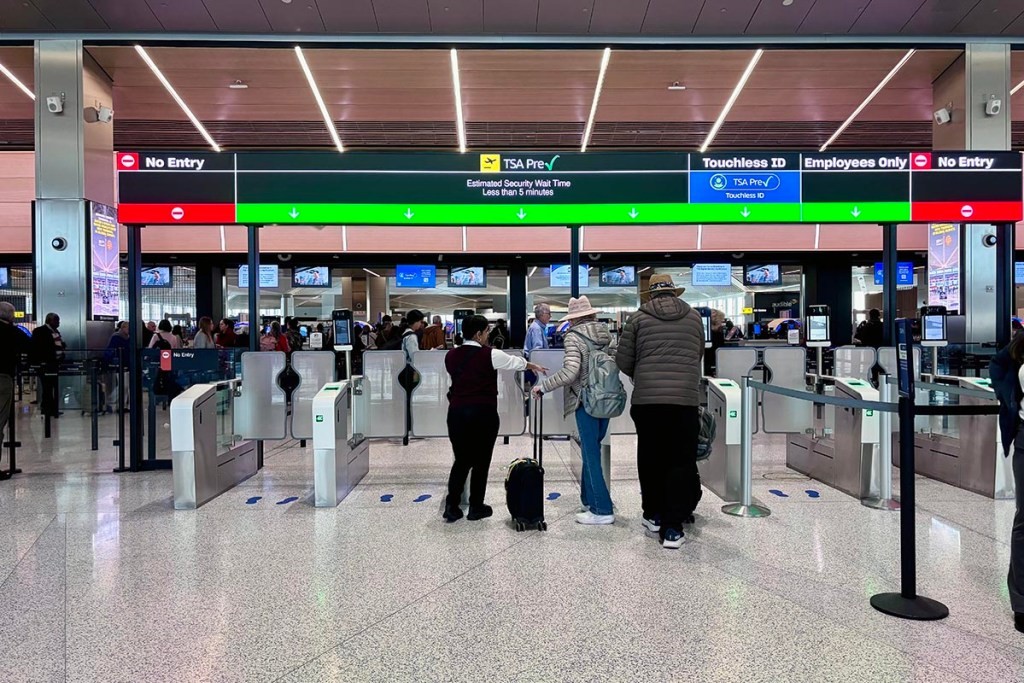
Former President Donald Trump has proposed privatizing the Transportation Security Administration (TSA). This follows widespread complaints about long lines at airports, a recurring issue that has frustrated travelers for years. Privatization aims to improve efficiency by introducing market competition, but critics raise concerns about potential cost increases and security standards. This move underscores a growing dissatisfaction with federal management of airport security, reflecting a desire for more streamlined operations.
MSC Cruises Integrates Marine Research into Alaskan Operations
MSC Cruises is pioneering a unique approach to tourism in Alaska, treating its inaugural season as a marine research initiative. Alaska’s appeal lies heavily in wildlife viewing, particularly whales, and MSC is leveraging this by studying how to minimize operational impact in high-density wildlife areas. This integration of science into operations sets a new precedent for responsible tourism, suggesting that high-value destinations may increasingly require this type of proactive ecological management.
Luxury Brand Growth: Montage’s Deliberate Expansion
Montage, a luxury brand, is emphasizing slow, deliberate growth to maintain its high-service standards. The company is prioritizing quality over rapid expansion, understanding that luxury consumers value consistency and attention to detail. This strategy contrasts with the aggressive scaling tactics seen in other sectors, highlighting a niche approach where preservation of brand identity is paramount.
Agentic AI: The Future of Travel Booking?
Agentic AI is emerging as a potential game-changer in travel booking, promising to consolidate research, planning, and booking into a single conversational interface. However, widespread adoption hinges on consumer trust. The technology’s ability to replace traditional search and comparison processes is significant, but the question remains whether travelers will relinquish control over their itineraries to an AI agent.
British Airways Allows In-Flight Calls via Starlink
British Airways is enabling in-flight phone calls on planes equipped with Starlink, a move that has sparked immediate controversy. While legal in the UK and EU, this practice is prohibited in the U.S. This divergence in regulations highlights the global patchwork of air travel rules, and the decision will likely test passenger tolerance for disruptive in-flight behavior.
These developments signal a travel industry adapting