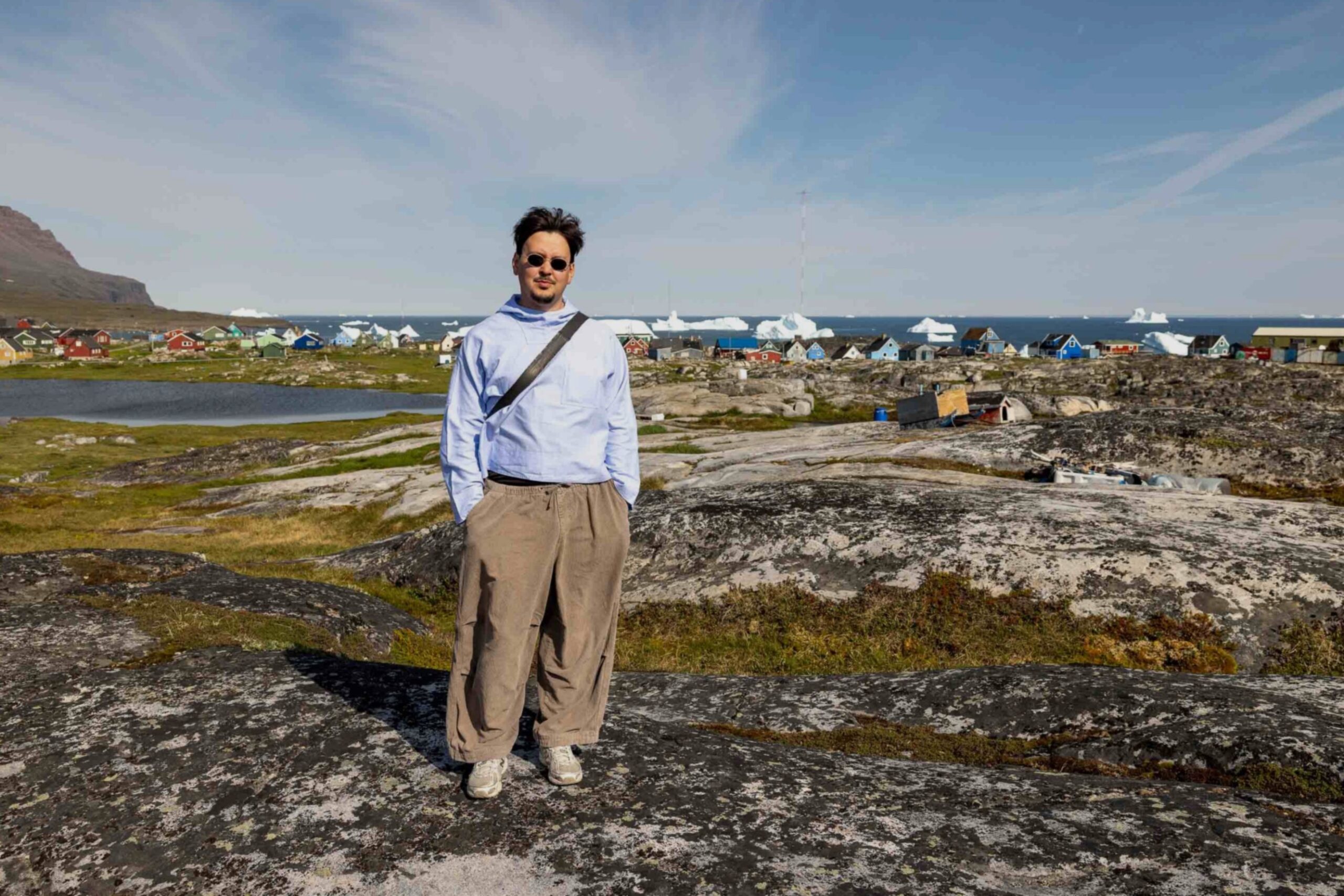
Greenland’s fashion industry is quietly gaining traction, blending functionality with a distinct urban-Arctic aesthetic. From Nuuk’s downtown streets to international boutiques, designers are redefining what it means to dress for a harsh climate while embracing local identity. This isn’t just about survival; it’s about a cultural shift where younger generations proudly wear their heritage.
The Heart of Greenlandic Style: Nuuk
Nuuk, the Greenlandic capital, serves as the epicenter of this movement. Designers like Mala Johnson of Bolt Lamar affirm that the city is where the “cool stuff” originates. The look is characterized by broad-shouldered anoraks, baggy pants, and muted color palettes—a blend of practicality and streetwear confidence. The environment dictates the clothing: locals often choose shortcuts, climbing slopes instead of walking around roads, making movable, durable streetwear a logical choice.
Bibi Chemnitz: Bridging Tradition and Modernity
Bibi Chemnitz, alongside partner David Røgilds, embodies this fusion. Their brand, founded 20 years ago, prioritizes functionality rooted in Greenlandic life. They sell everything from designer boutiques in Copenhagen to Galeries Lafayette in Beijing. Their iconic “GREENLAND IS NOT FOR SALE” tee embodies a defiant statement of cultural ownership.
The anorak, a traditional Inuit staple, remains a flagship item – now unisex and widely popular. Chemnitz emphasizes her duty as an Inuit designer to showcase Greenland’s reality to the world, blending hi-tech fabrics (like durable polyester blends) with traditional construction.
Qiviut: Honoring Ancestral Practices
Just across the street from Bibi Chemnitz, Qiviut offers a different approach. The shop specializes in warm clothing crafted from seal fur and musk ox wool, materials deeply embedded in Inuit tradition. They champion using the entire animal, a practice that reflects sustainability and respect for natural resources.
This revival of traditional materials speaks to a broader cultural shift: younger generations are increasingly embracing heritage in their everyday style. As one local actor and designer notes, “We’re seeing more traditional tattoos too. It’s amazing.”
Bolt Lamar: Defying Expectations
Bolt Lamar stands apart by deliberately avoiding conventional Greenlandic motifs. Founded by Mala Johnson and Arny Mogensen, the brand focuses on laid-back streetwear that resonates with both locals and international visitors. Their success demonstrates that defying expectations can be as effective as embracing them.
Bolt Lamar also invests in its community, collaborating with local businesses and promoting a message of pursuing passions. The brand’s growing international interest underscores the demand for high-quality, uniquely Greenlandic fashion.
Beyond Clothing: Jewelry and Craftsmanship
The fashion scene extends beyond apparel. Jewelers like Nadja Arnaaraq Kreutzmann, Greenland’s only certified goldsmith, craft wearable art using rare local gemstones. Ceramicists like Kristine Spore Kreutzmann create striking statement pieces, further enriching the country’s creative landscape. These artisans merge traditional craftsmanship with contemporary design, attracting global attention.
Greenland’s fashion scene is evolving rapidly, proving that a small island nation can make a significant impact on global style. The industry’s success lies in its ability to blend practicality, cultural pride, and forward-thinking design—a combination that will continue to shape the future of Arctic fashion.