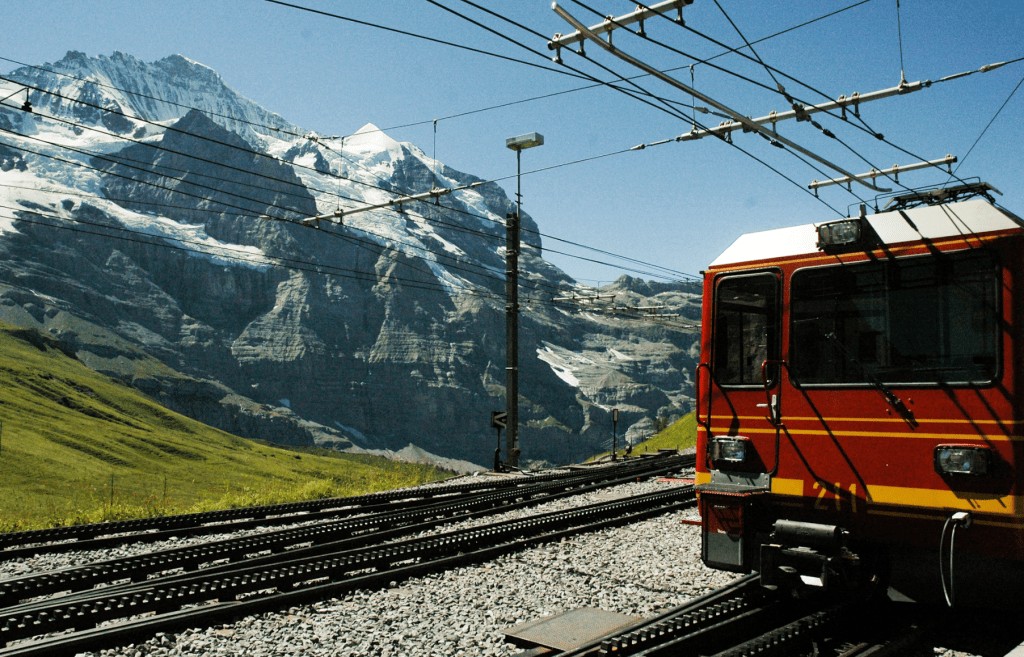
Long-haul tourists visiting Europe are increasingly opting for trains and other ground transportation over short flights, but the primary motivator isn’t environmentalism—it’s a growing preference for slower, more immersive travel experiences.
Rising Demand for Ground Transport
New data released by the European Travel Commission shows a notable shift in how international visitors navigate the continent. A study surveying 3,000 travelers from six countries—Australia, Brazil, Canada, China, Japan, and the United States—revealed that the proportion relying on low-emission methods (trains, public transit, walking, cycling, and EVs) jumped from 13% in 2024 to 18% in 2025.
This change isn’t necessarily about carbon footprints. The research suggests that travelers are prioritizing quality of travel over speed. Trains, for example, offer a chance to see landscapes, experience local culture, and avoid the stress of airports. The study points to a broader trend: travelers want to savor their journeys, not just reach their destinations.
Slow Travel Gains Momentum
The rise in train travel coincides with a growing global movement towards “slow travel.” This concept prioritizes depth over breadth, encouraging visitors to spend more time in fewer places, connecting with local communities, and embracing slower modes of transport.
Why does this matter?
- It challenges the assumption that environmental concerns are the sole driver of sustainable travel choices. While eco-consciousness plays a role, many travelers are motivated by personal enrichment and a desire for more meaningful experiences.
- It has implications for the tourism industry. Destinations and transport providers may need to adapt to cater to this demand by improving rail networks, promoting regional destinations, and offering more immersive travel packages.
The Future of European Tourism
The shift towards ground transport in Europe is unlikely to reverse. The convenience and experience-rich nature of train travel—combined with rising flight costs and airport congestion—will continue to attract travelers seeking a more relaxed and authentic way to explore the continent.
The trend indicates that tourism is evolving beyond simply “checking off” destinations, towards a model that values depth, immersion, and the journey itself.