
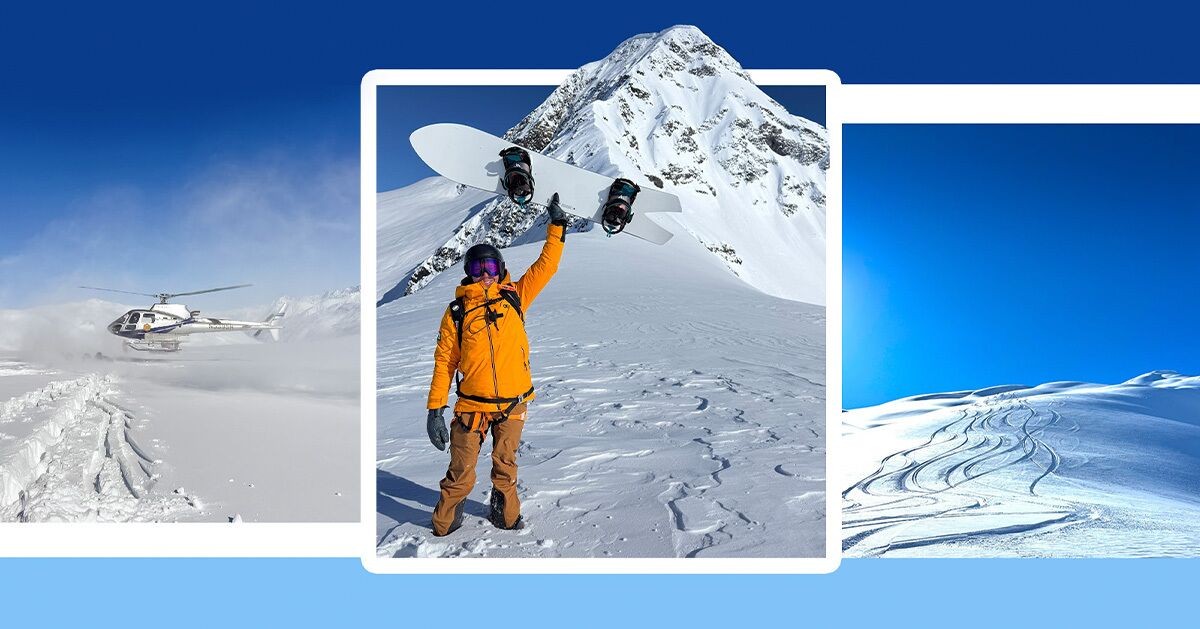
For many in the snowboarding and skiing community, Alaska represents the ultimate frontier—a legendary landscape of steep faces and endless powder that defines the pinnacle of the sport. For decades, the “big-mountain dream” has been a North Star for athletes and enthusiasts alike.
A recent journey through Alaska’s diverse winter landscapes reveals that this dream isn’t just found in the high-stakes world of professional competitions; it is also alive in the quiet, community-driven corners of the state.
The High-Octane Dream: Heli-Skiing in Girdwood
The journey begins in Girdwood, Alaska’s premier resort town, where the atmosphere is charged with professional energy. During the recent Natural Selection tour, the town became a hub for elite athletes and judges, bridging the gap between ordinary travelers and X-Games legends.
For those seeking the most efficient way to access the Chugach Range’s legendary terrain, Chugach Powder Guides (CPG) offers a premium experience. Operating with highly maneuverable A-STAR B3 helicopters, the service prioritizes small, specialized groups. This setup allows riders to:
– Scope lines in real-time alongside professional guides.
– Access remote, high-alpine ridges that larger aircraft cannot reach.
– Maximize vertical descent, with single days often totaling over 18,000 feet of fresh powder.
Complementing this backcountry access is the Alyeska Resort, which provides a structured environment for extreme riding. With nearly 700 inches of annual snowfall, the resort offers some of North America’s most technical “inbound” terrain, including the steep, gated runs of the North Face.
The Local Perspective: Snowmobiles and Sled Dogs
While helicopters and trams offer a fast track to the peaks, the true pulse of Alaska is often found on the ground. Moving north to the Mat-Su Valley, the method of travel shifts from rotor blades to “snow machines.”
In this region, snowmobiling is more than a hobby; it is a primary way locals navigate the landscape. Using Snowhook Adventure Guides, travelers can experience the geography through winding pine forests and across frozen lakes. This perspective reveals a different side of the Alaskan winter:
– A community-centric transit system where snowmobile tracks often serve as the primary “roads.”
– A glimpse into traditional sports, such as passing teams of sled dogs on the trails.
– Unobstructed views of Denali, providing a sense of the immense scale of the Alaskan wilderness.
Skeetawk: The Future of the Sport
Perhaps the most profound discovery, however, lies at Skeetawk, a small ski area in the Mat-Su that opened in 2020. While Alyeska represents the grand scale of mountain sports, Skeetawk represents its heartbeat.
In an era where major resort conglomerates and rising ticket prices often gatekeep the mountains, Skeetawk offers a refreshing alternative. With lift tickets priced at approximately $39, the resort is fueled by organic local growth rather than massive corporate investment.
The significance of Skeetawk isn’t found in its current infrastructure—which includes a modest, secondhand three-person chairlift—but in its demographic. The slopes are filled with:
– The next generation of riders : Children and “grommers” who view the expanding boundaries of the resort with palpable excitement.
– Family-oriented culture : A vibrant, positive atmosphere where parents teach toddlers and friends push each other to improve.
– Accessible progression : A space where young athletes can build confidence without the intimidation of high-cost, high-pressure environments.
“The best thing about Skeetawk isn’t that the tickets are cheap… The best thing is that there are kids on the mountain, and lots of them.”
Conclusion
Alaska’s snow culture is a vast spectrum, ranging from the adrenaline-fueled heights of heli-skiing to the communal joy of local hills. While the big-mountain dreams of professional athletes provide the legend, it is the laughter and growth of the next generation at places like Skeetawk that ensure the sport’s future.