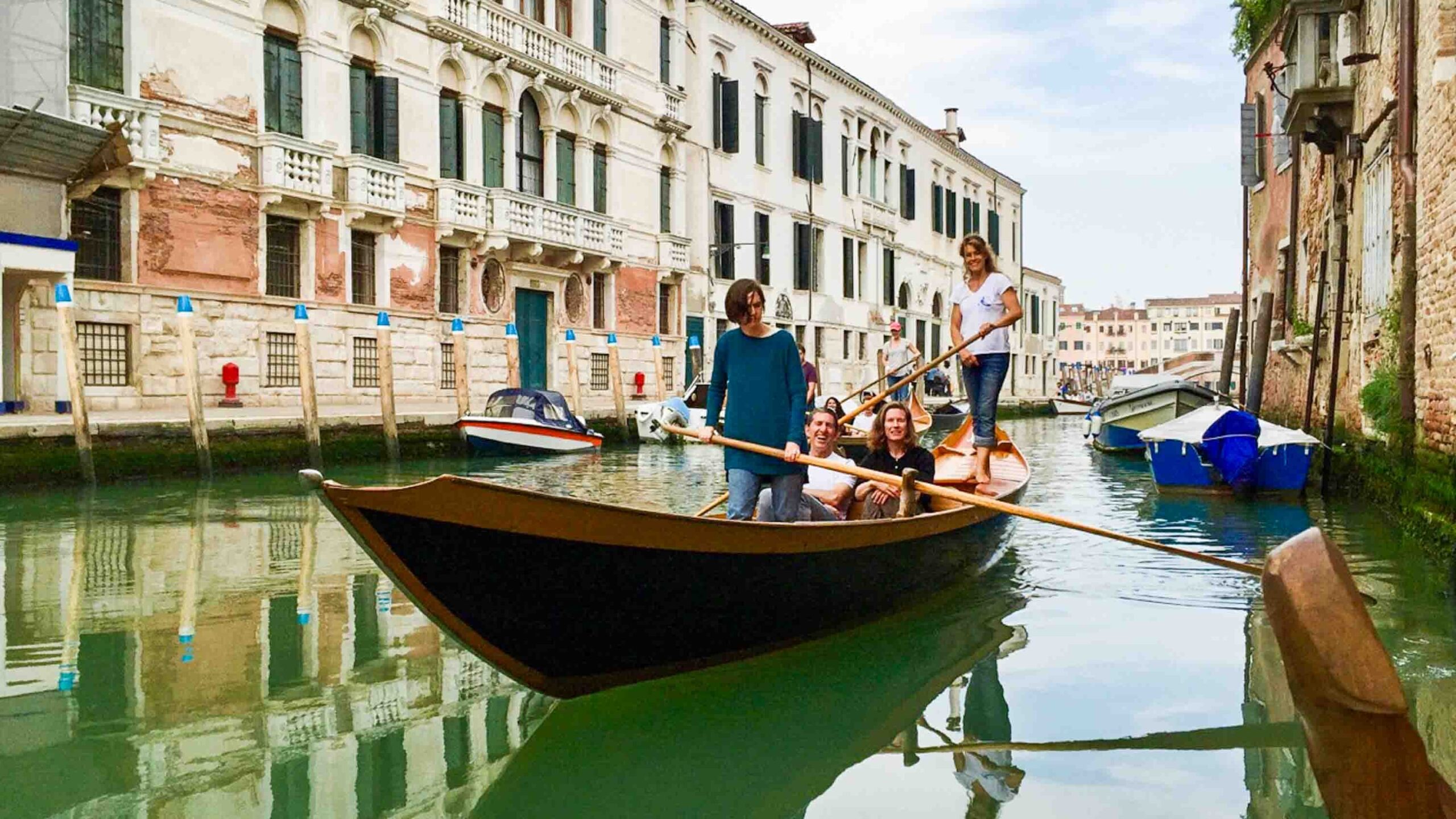
Venice, a city drowning in tourism and sinking under its own romantic weight, harbors a secret: a resilient tradition of stand-up rowing, once the lifeblood of the lagoon, now quietly fighting for survival. But a small, female-led organization is changing that.
For centuries, the canals weren’t just scenic backdrops. They were working waterways. Batele, narrow wooden boats, transported goods, and people relied on rowing for basic mobility between the islands. Today, only a handful remain. The shift happened post-WWII with the introduction of motorized boats, but the decline goes deeper than just mechanics. It’s about a culture fading with time.
The Last Bastion of Real Venice
The Cannaregio district is where this story takes hold. Unlike the selfie-stick-clogged Rialto Bridge, Cannaregio still breathes with local life. Locals shop, read newspapers in cafes, and ignore the tourist hordes. It’s here that Jane Caporal runs Row Venice, a non-profit dedicated to preserving voga alla Veneta, the city’s unique stand-up rowing technique. Caporal, an Australian who settled in Venice over 30 years ago, didn’t grow up with this tradition; she embraced it.
“I watched my first Regata Storica from the Grand Canal,” she recalls. This annual race is the pinnacle of Venetian rowing, but the sport itself is steeped in history. Caporal didn’t just watch, she joined a club and became a competitive rower. But her goal wasn’t personal glory; it was to keep voga alive.
Challenging a Macho Tradition
The world of Venetian rowing is stubbornly male-dominated. Gondoliers, the iconic faces of the city, are almost exclusively men. In 2009, Giorgia Boscolo became the first woman licensed as a gondolier, making international headlines. The process itself is rigorous: 400 hours of training covering history, art, navigation, and practical skills.
Caporal’s Row Venice directly challenges this imbalance. When she started, male rowers openly harassed her instructors, accusing them of damaging boats just for existing. “There was this idea that commercializing the tradition was disrespectful,” she says. “Worse, that a woman was doing it.” The rivalry has cooled, but the initial resistance underscores how deeply ingrained the gender roles were.
More Than Just Gondolas
Gondolas get all the attention, but they represent just a fraction of Venice’s rowing heritage. The batele coda di gambero (shrimp-tail boat) – the type Row Venice uses – is wider and more stable, ideal for beginners. Only 10 of these boats exist today.
The history is richer than gondolas. Women have always rowed here. In the 17th and 18th centuries, there were 10,000 gondolas. But even before that, prostitutes used boats called mascareta to travel between assignments, wearing masks to conceal their identities. 14th-century records detail women participating in regattas. Farm women from the islands rowed their produce to market. This wasn’t recreation; it was necessity.
A Revival Through Tourism
Row Venice isn’t just about tradition; it’s about survival. By offering rowing lessons to tourists, the organization pumps funds back into the sport, sponsoring athletes and races. The pressure worked: in 2021, female rowers in the Regata Storica finally won equal prize money to men, a long-overdue correction.
The experience itself is transformative. Tourists glide along quiet canals, away from the crowds. The movement is different than seated rowing; the oar acts as a rudder, requiring a delicate balance.
Jane Caporal’s determination is evident: she started rowing in her late 40s and became a champion. Her work isn’t just preserving a sport; it’s keeping a piece of Venice’s soul afloat.
The reality is clear. Venice depends on its waterways, and the waterways depend on rowing. By choosing to row, tourists become part of that legacy, not just observers. The city doesn’t just exist for grand ships; it exists for the quiet glide of a batela, steered by anyone with the will to pull.