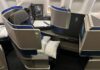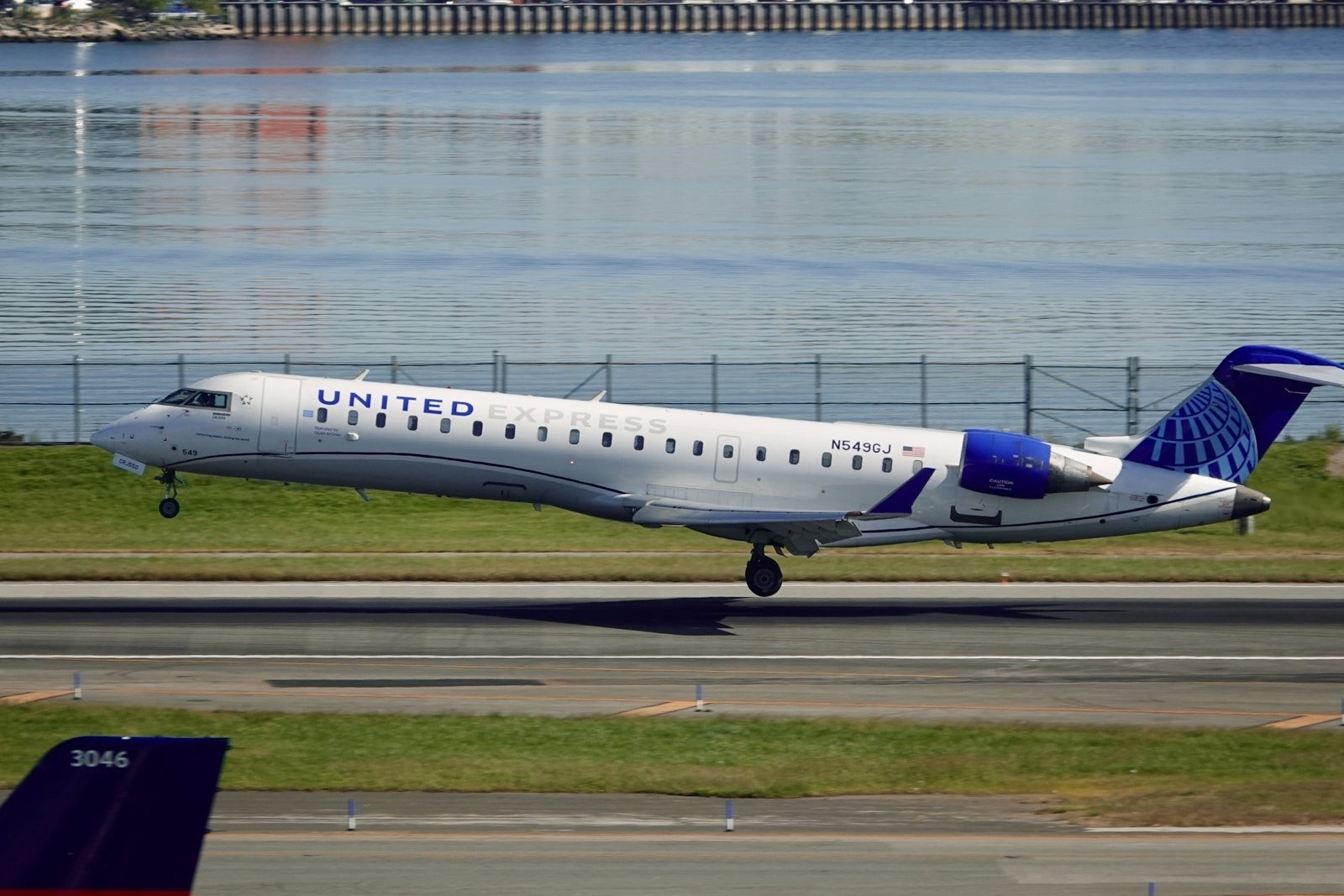

United Airlines is preparing to introduce a new configuration of its regional jet fleet: the CRJ-450. This move comes as part of a broader strategy to enhance passenger experience and increase profitability, positioning United as a premium carrier alongside Delta Air Lines. The CRJ-450 is a modified version of the CRJ-200, with fewer seats (41 instead of 50) and an upgraded cabin layout featuring first-class seating and in-flight Starlink connectivity.
The Premium Regional Strategy
United first tested this approach in 2019 with the CRJ-550, a 50-seat jet with a first-class cabin and lockers instead of traditional overhead bins. The CRJ-450 follows this model, aiming to provide a more consistent premium experience across its fleet. Andrew Nocella, United’s chief commercial officer, emphasizes that this is about delivering “a consistent level of service… no matter where you’re sitting.”
This push for premium offerings extends beyond regional jets. United plans to debut its Boeing 787-9 Elevated with Polaris Studio suites and new A321neo and A321XLR aircraft with business-class suites later this year. The airline’s investments are geared toward capturing a more profitable segment of the market, mirroring Delta’s success in premium travel. Delta posted a 9.2% operating margin in 2025, while United managed 8%.
Why Now? Scope Clause Restrictions
The CRJ-450 isn’t just about passenger comfort; it’s also a workaround for United’s strict pilot contracts. Known as “scope clauses,” these agreements limit the number and size of regional jets an airline can operate. United has some of the tightest restrictions, allowing fewer large regional jets than American or Delta. However, it can operate unlimited numbers of 50-seat planes, which led to the development of the CRJ-550. The CRJ-450 continues this trend.
Delta CEO Ed Bastian acknowledged this dynamic, stating, “United is doing their best to copy us, and I don’t blame them.”
Economic Considerations and Fuel Costs
Despite the potential revenue from premium seating, the economics of the CRJ-450 are not without challenges. The CRJ-200 airframe is one of the least fuel-efficient options for airlines. With jet fuel prices surging 82% to $4.56 a gallon as of March 20, operating costs are a significant concern.
The success of the CRJ-550 proves that the revenue gains from first-class and extra-legroom seating can outweigh the operating costs of a smaller jet. United hopes the CRJ-450 will follow suit.
Deployment and Future Plans
The first CRJ-450 is set to enter service in late 2026 from United hubs in Chicago (ORD) and Denver (DEN), connecting smaller cities to major hubs. The airline plans to have 50 CRJ-450s operated by SkyWest Airlines by 2028, eventually expanding the fleet to 70 aircraft, replacing older CRJ-200s. United will also continue to operate its Embraer ERJ-145 fleet, though some planes are temporarily grounded.
United aims to serve smaller communities with premium options, hoping the CRJ-450 will be a “game-changer.”
The airline’s investment in regional jets with improved amenities represents a strategic shift toward higher-margin travel, reflecting a competitive response to Delta’s success in the premium market.