


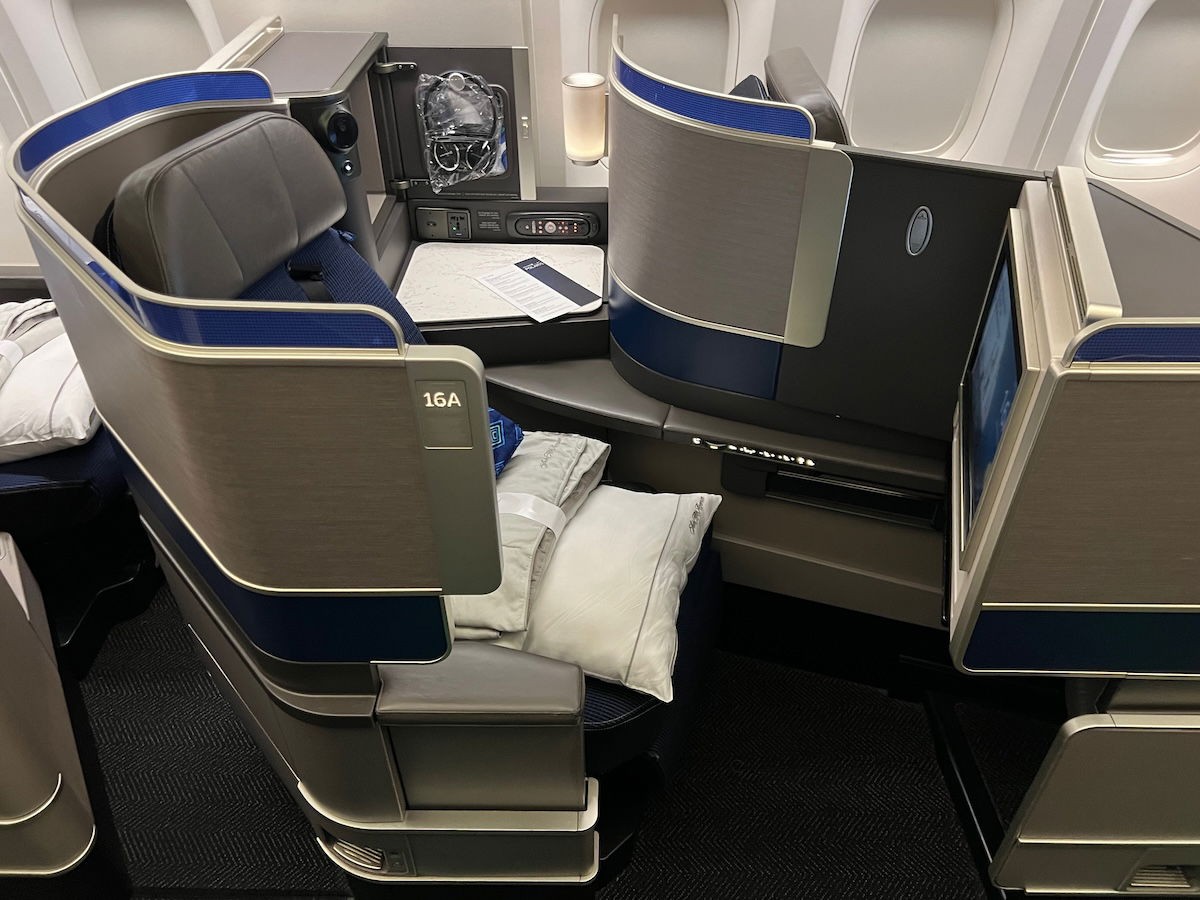
United Airlines is making headlines for its premium wine offerings in Polaris business class, currently serving The Mascot Cabernet Sauvignon 2019, which retails for over $200 per bottle on select routes. This move puts the US carrier in direct competition with airlines like Emirates, known for their lavish first-class wine selections.
The Shift in US Airline Premium Services
Over the past few years, US airlines have increasingly focused on enhancing the soft product of their business classes to attract premium travelers. This includes partnerships with high-end champagne brands—American with Bollinger, Delta with Taittinger, and United with Laurent-Perrier—but United appears to be going further by investing significantly in its wine selection.
The $200 Wine: A New Standard?
The Mascot Cabernet Sauvignon 2019 is currently available on routes such as Washington (IAD) to Tokyo (HND). The airline publishes its menus and drink lists on the flight status page of the app, allowing passengers to preview their inflight experience. The wine’s retail price exceeds $180, and with taxes, easily tops $200 per bottle.
This is a notable step up in wine quality for US business class, traditionally offering less expensive options. While airlines negotiate bulk discounts, even at reduced rates, serving a wine of this caliber represents a substantial investment.
United’s Wine Program vs. Competitors
Anecdotal evidence suggests that United’s wine program now surpasses those of American and Delta, despite the latter’s claims of premium service. This move positions United closer to the standards set by Emirates first class, which is widely regarded as industry-leading in terms of onboard luxury.
The Contrast with Catering Quality
Despite the wine upgrade, United’s Polaris business class catering remains a weak point. While the airline has indicated future improvements, quality has not kept pace with the investment in wine. This creates a noticeable imbalance in the overall premium experience.
The focus on wine while catering lags raises questions about strategic priorities. Is United betting that the wine selection will overshadow catering concerns, or is this a deliberate step toward a more refined, alcohol-centric experience?
Conclusion
United Airlines is setting a new standard for wine in business class by serving a $200 per bottle Cabernet Sauvignon on select flights. This move positions the carrier as a leader in premium inflight experiences, but the contrast with its catering quality suggests that further investment is needed to create a truly balanced luxury offering.


