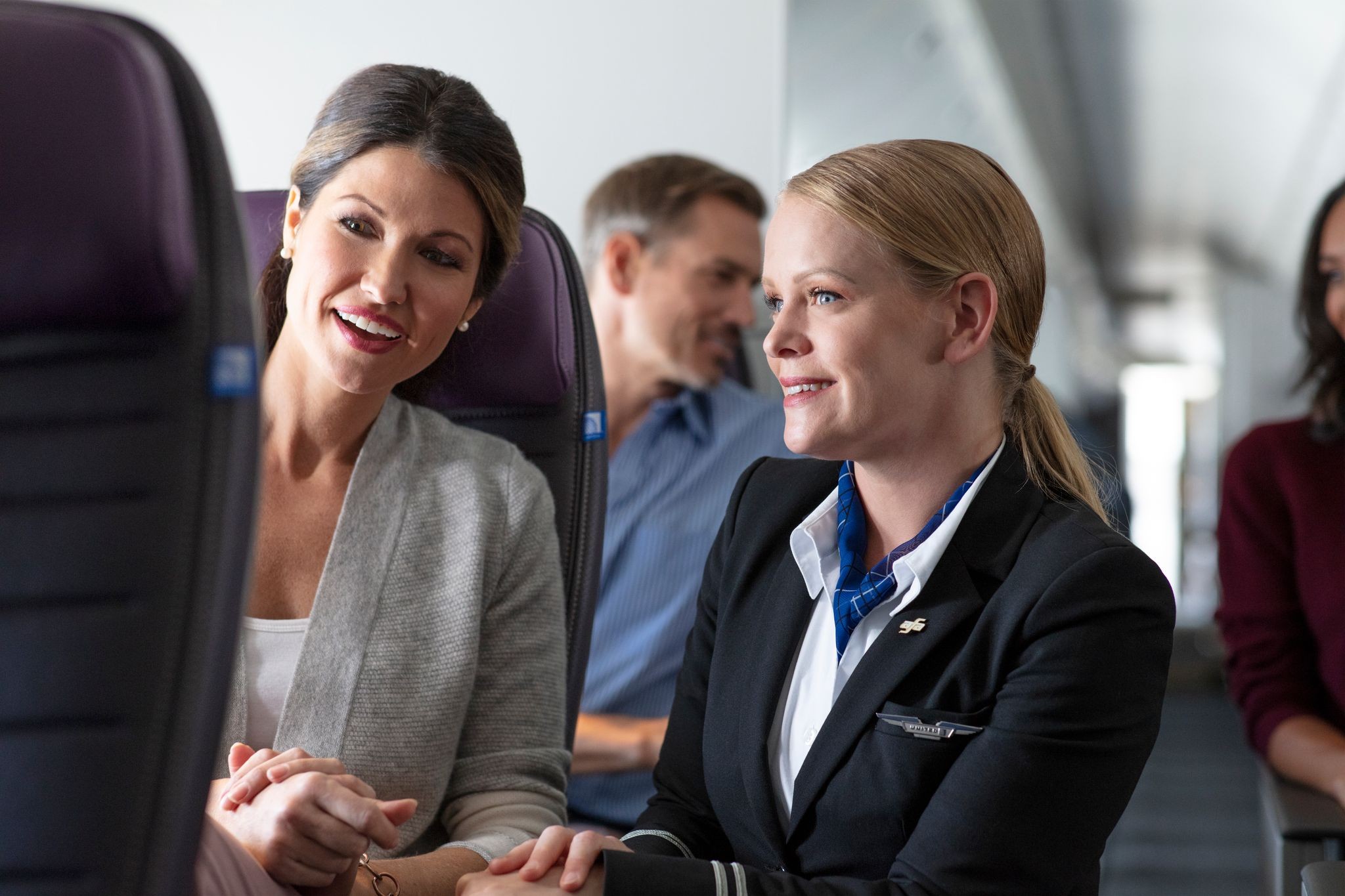
United Airlines is under scrutiny from its flight attendants’ union over allegations that the company is using data tracking to unfairly discipline employees who call in sick. The union warns that legitimate sick leave could be misconstrued as abuse, leading to unwarranted disciplinary action or even termination.
The concerns stem from cases where flight attendants take approved vacations but then report illness preventing immediate return for scheduled flights. The union alleges that United could interpret these calls as extended, unapproved absences. Another cited scenario involves a flight attendant who disputes a flight assignment, only to sustain an injury the same day – which United might then categorize as sick leave abuse despite the separate circumstances.
This raises questions about the company’s use of employee data and the potential for algorithmic bias in disciplinary decisions. The union fears that the system lacks nuance, failing to distinguish between genuine illness and potential attempts to exploit sick leave policies.
The situation highlights a broader trend of employers leveraging technology to monitor and control worker behavior. While efficiency is a common goal, critics argue that such practices erode trust and create a hostile work environment. The lack of transparency surrounding how United’s tracking system operates further fuels these concerns.
The union is calling for greater clarity and oversight in how sick leave data is used, demanding safeguards against unfair penalties for employees who legitimately require time off due to illness. The dispute underscores the need for clear policies that protect workers’ rights while still maintaining operational standards.
Ultimately, this situation illustrates a growing tension between employers’ pursuit of efficiency and workers’ right to fair treatment under labor agreements.