The global travel sector is navigating a complex period marked by investment gaps, geopolitical instability, and emerging technological shifts. Recent developments highlight both opportunities and persistent challenges across key markets.
Saudi Arabia Addresses Business Hotel Shortfall with $1 Billion Investment
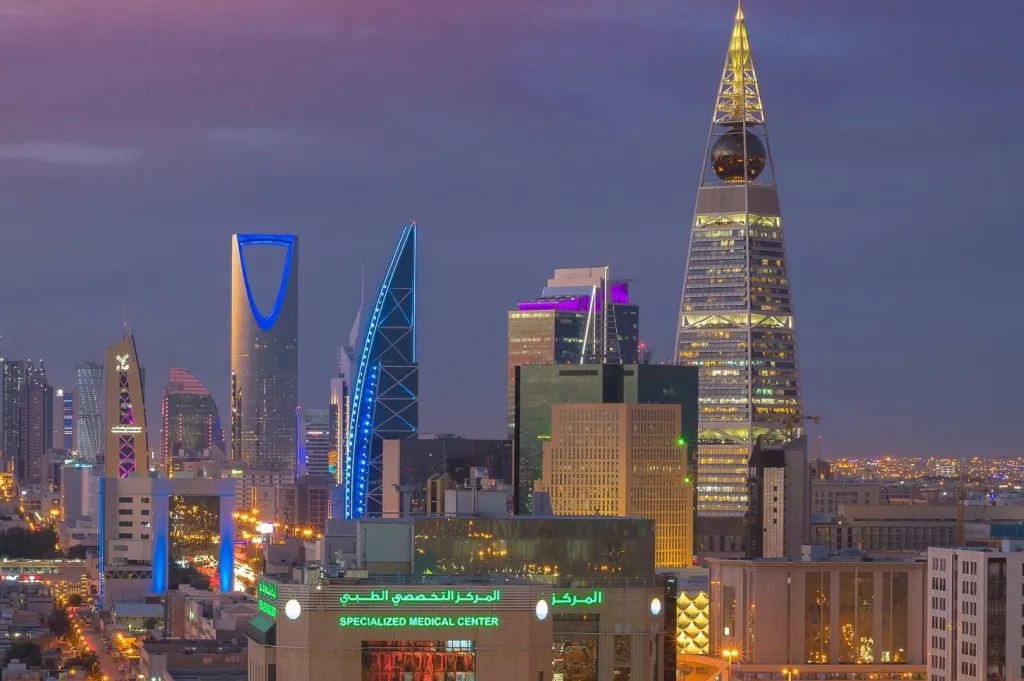
Saudi Arabia is injecting $1 billion into its business hotel infrastructure, aiming to close a critical gap in accommodation for corporate travelers. This move signals the Kingdom’s intent to attract more international business and diversify its tourism offerings beyond religious pilgrimages. The investment is timely given Saudi Arabia’s ambitious economic reforms under Vision 2030, which prioritize non-oil revenue streams. However, the success hinges on execution and ensuring these hotels meet the demands of global business standards.
Civitatis Focuses on the Untapped Spanish-Language Travel Market
Civitatis, a major player in guided tours, is doubling down on the 850 million Spanish- and Portuguese-speaking travelers worldwide. Its relaunched app emphasizes curated experiences that cater to cultural preferences, setting it apart from generic travel platforms. This strategy is smart because Spanish-speaking markets represent significant growth potential, often underserved by mass tourism operators. The company’s focus on cultural resonance rather than simply scale may prove to be a competitive advantage.
March as a Stress Test for Global Travel Resilience
March proved to be a brutal month for travel, with disruptions ranging from geopolitical conflicts (Dubai, Delhi) to unexpected shutdowns and fuel price spikes in the U.S. This illustrates the fragility of the interconnected travel system. War, political instability, and infrastructure failures can all instantly cripple even well-prepared destinations. The industry must prioritize risk management and flexible supply chains.
Trump’s AI Framework: A Missed Opportunity for Travel Pricing
Donald Trump’s proposed AI framework aims to streamline state-level AI development. While potentially beneficial for some sectors, it fails to address the immediate crisis of inflated travel pricing. The travel industry is already grappling with dynamic pricing algorithms and opaque booking practices, and this framework does not offer a solution. The real pressure point remains consumer affordability, not just technological advancement.
India’s Travel Boom: Potential vs. Profitability
India is experiencing a travel boom, but stakeholders are struggling to convert cultural depth into high-value, bookable products. The country boasts immense tourism potential, but much of it remains unrealized. This disconnect