The global travel sector is undergoing rapid adjustments as geopolitical tensions, rising fuel prices, and shifting consumer behavior reshape the landscape. Airlines are increasing fees, destinations face visitor downturns, and governments are intervening to address safety concerns. Here’s a breakdown of the key developments:
Fuel Surcharges Surge Amid Iran Conflict
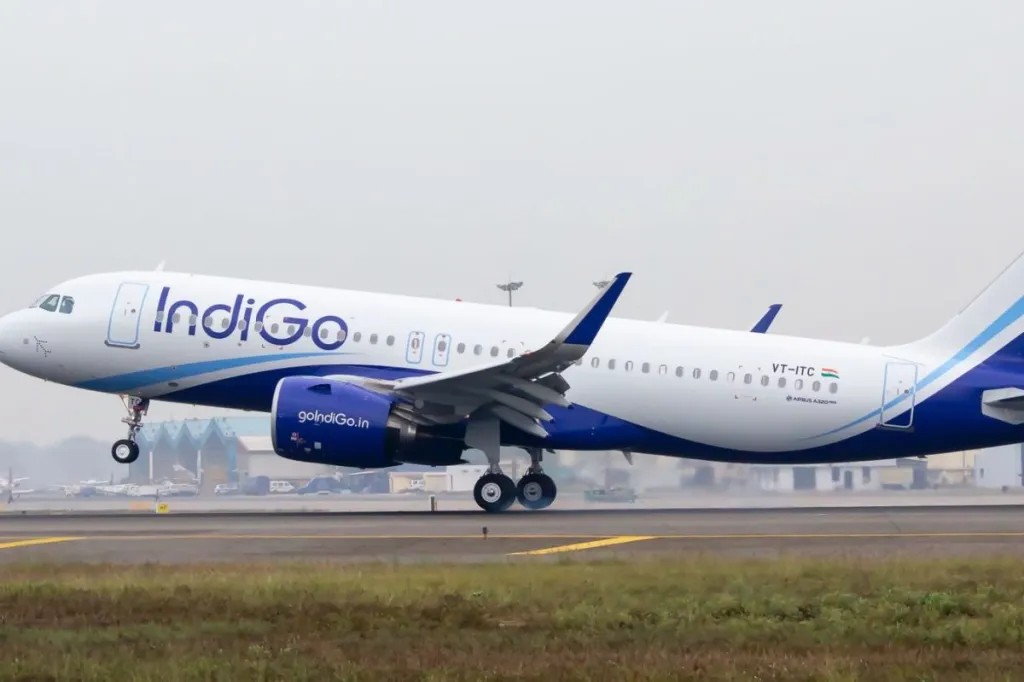
IndiGo has intensified its fuel surcharges in response to the ongoing conflict in Iran, a move likely to be mirrored by other airlines as crude oil prices fluctuate. Airlines typically pass rising fuel costs directly onto consumers, with surcharges being a common mechanism. This reflects the industry’s sensitivity to geopolitical risk and the immediate financial impact of unstable regions.
Social-First Storytelling Gains Traction
Hospitality brands are shifting away from traditional advertising toward more engaging content. Ibis, for example, is investing in a creator-led miniseries, “The Go Getters,” designed to build brand affinity with younger travelers through entertainment rather than direct promotion. This strategy acknowledges that Gen Z and Millennial audiences respond better to immersive storytelling than conventional marketing.
Baggage Fees Increase: United and JetBlue Lead the Charge
United and JetBlue have recently raised baggage fees, a direct consequence of surging fuel prices. This is a widespread industry practice; as fuel costs rise, airlines compensate by increasing ancillary revenue. The trend highlights the financial pressures facing carriers and the expectation that consumers will bear a larger share of operational expenses.
International Tourism Declines: Tariffs Blamed
New York State experienced a significant drop in international visitors last year, with the state comptroller attributing the decline to lingering effects of U.S. tariffs. This suggests that trade policies can directly impact tourism, making destinations less attractive due to perceived economic barriers. The downturn underscores the interconnectedness of trade, geopolitics, and travel demand.
UK Government Prioritizes Hotel Safety
The UK government is preparing to host industry-wide roundtable discussions on hotel guest safety. The move signals increased regulatory scrutiny and potential new protocols affecting hotel operations. This is likely a response to recent incidents or growing public concern over safety standards in the hospitality sector.
The travel industry is adapting to a more volatile environment, with rising costs, geopolitical risks, and shifting consumer preferences dictating operational and strategic shifts. Airlines, hotels, and governments are all responding to these pressures in ways that will reshape the