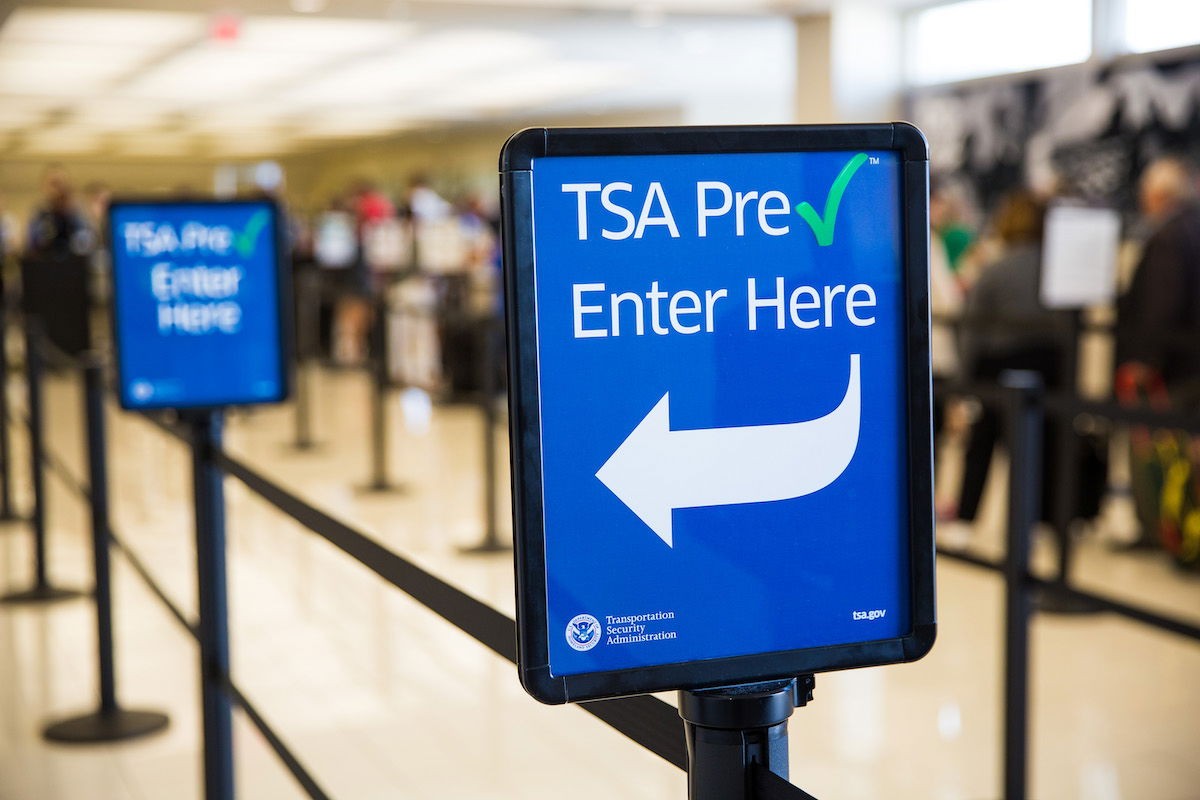
The Department of Homeland Security (DHS) has reversed its earlier decision to shut down TSA PreCheck lanes during the ongoing partial government shutdown. Initially announced as part of broader disruptions due to staffing constraints, PreCheck checkpoints will remain operational, though adjustments may be made on a case-by-case basis if personnel shortages worsen.
Initial Shutdown Plans and Reversal
Earlier this week, DHS indicated that TSA PreCheck and Global Entry would be suspended. This move sparked confusion, especially given its potential to exacerbate travel delays during peak periods. However, the TSA has since issued a statement clarifying that PreCheck lanes will stay open for now.
The agency will assess staffing levels and adjust operations as needed, prioritizing core security functions. To free up officers, courtesy escorts for high-profile individuals (including members of Congress) have been temporarily suspended. The status of Global Entry remains unclear as of this update.
Questions Raised About Policy Execution
The rapid reversal raises questions about the initial decision-making process. Reports suggest that both airlines and the TSA itself were unprepared for the initial shutdown announcement. This suggests either hasty planning or a lack of coordination between agencies.
The fact that the shutdown was announced and then reversed within hours highlights a pattern of poorly considered policies being implemented and then walked back. This instability erodes public trust in government competence.
The incident also underscores the broader impact of the shutdown on critical infrastructure. While PreCheck remains operational, the potential for further disruptions looms if the shutdown continues. The TSA’s ability to maintain staffing levels without significant delays is now a key concern.
Why This Matters
The decision to keep PreCheck open is critical because it directly affects millions of travelers. A shutdown would have added significant delays and chaos to an already strained system. However, the underlying instability remains. The fact that a major policy was so quickly reversed raises doubts about the administration’s ability to manage crises effectively.
The situation serves as a stark reminder that even seemingly stable programs are vulnerable to political dysfunction. Passengers should remain vigilant and expect potential changes as the shutdown continues.