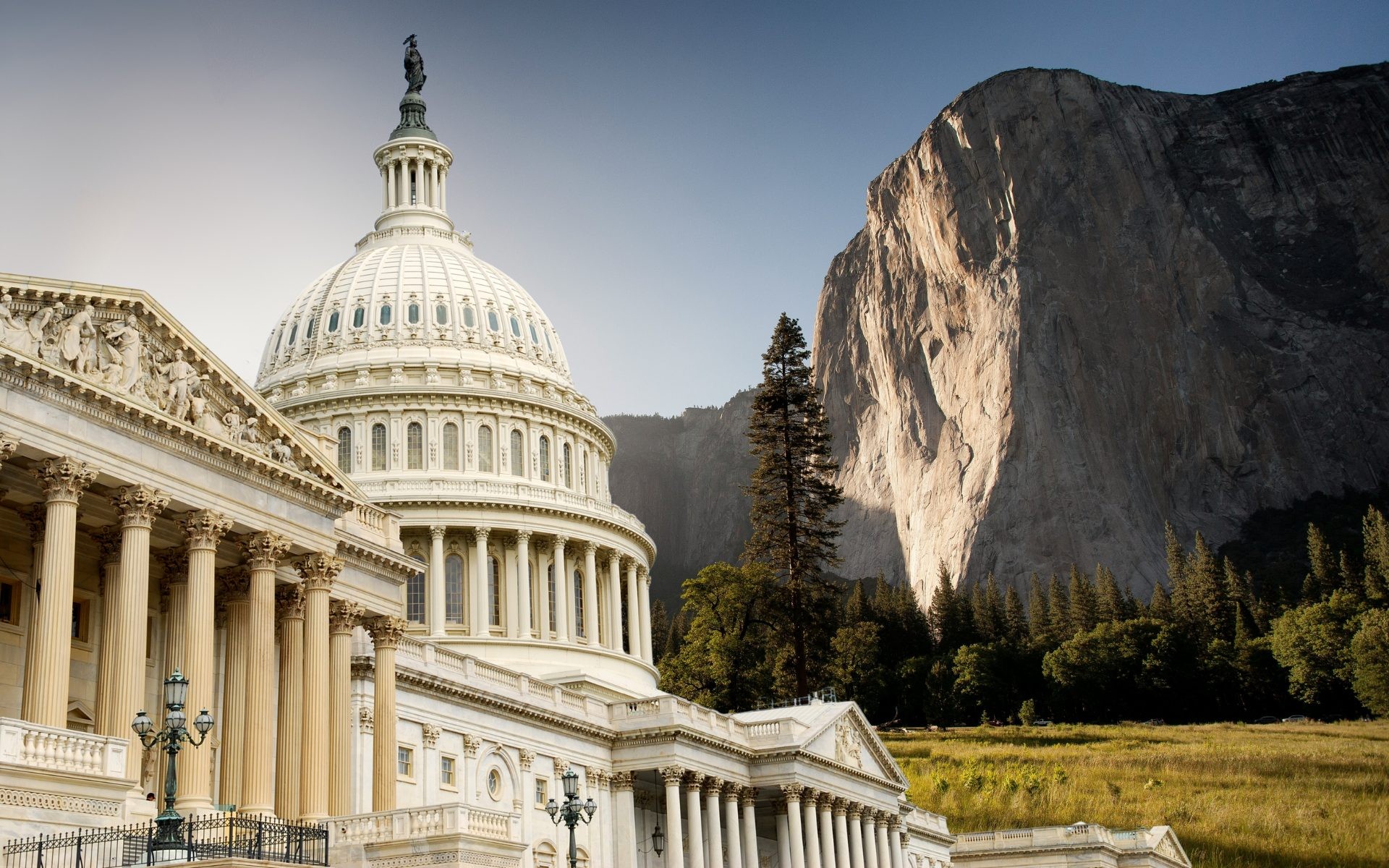
For decades, Yosemite National Park has been a symbol of American wilderness. But behind the breathtaking vistas and legendary trails, a quiet crisis is unfolding. Years of underfunding and staffing cuts, beginning under the Trump administration and continuing today, are eroding the park’s ability to function effectively. While visitors may not always notice, the consequences are real: reduced conservation efforts, strained employee morale, and a growing reliance on volunteers to fill critical gaps.
The Shrinking Workforce
The National Park Service has seen a dramatic reduction in permanent staff—over 25 percent according to an analysis by the National Parks Conservation Association (NPCA). This trend, exacerbated by government shutdowns, has left many parks operating with skeleton crews. At Zion National Park alone, staffing shortages cost an estimated $2 million in lost revenue by late July. Glacier National Park even resorted to asking visitors to pay entrance fees on the honor system via QR codes. The administration insisted parks remain open, despite the strain.
The Facade of Functionality
The impact isn’t always visible. As one former NPS official put it, the priority has become “facade management”—keeping visitor-facing services (fee stations, campgrounds, restrooms) running smoothly while deeper problems fester. Maintenance projects languish, and employee morale plummets. One Yosemite ranger, “Alex,” who requested anonymity, described a team that shrunk from 14 to 9 members due to government policies. The confusion surrounding reservation systems, coupled with hiring delays, left visitors frustrated and staff overwhelmed.
The Rise of Volunteers
The staffing void is being partially filled by volunteers. While their contributions are valuable, they cannot replace trained professionals. Experts caution that parks lack the resources to properly integrate and supervise volunteers for critical monitoring and conservation tasks. During my own visit, I encountered more volunteers than official park employees: three volunteers to one staff member.
Beyond the Surface: Hidden Consequences
The most severe consequences are less visible to casual visitors. Conservation projects are delayed, cultural sites are at risk, and emergency response times are slowing. In 2024, Yosemite’s hospitality contractor, Aramark, received an “unsatisfactory” rating from the National Park Service for its performance. The park’s larger issues—understaffing, neglected maintenance, and shrinking budgets—are often hidden beneath a veneer of functionality.
A Looming Collapse?
The situation is likely to worsen. Proposed budget cuts threaten to eliminate even more positions, potentially crippling the entire employment system. According to former park superintendents, closing parks during shutdowns would be preferable to leaving them open with inadequate staff, as previous shutdowns led to vandalism, resource damage, and sanitation crises.
The crisis extends beyond mere resource shortages. Staff morale has plummeted, with employees learning about policy changes through news reports rather than official channels. One ranger expressed fear that further cuts could lead to a complete collapse of the system: “I don’t know how anyone would be able to effectively do their job.” The future of Yosemite—and countless other national parks—hangs in the balance.
Without sustained investment in staffing and conservation, America’s iconic wilderness areas risk irreversible damage. The choice is clear: protect these treasures with dedicated resources, or watch them slowly erode under the weight of neglect.