
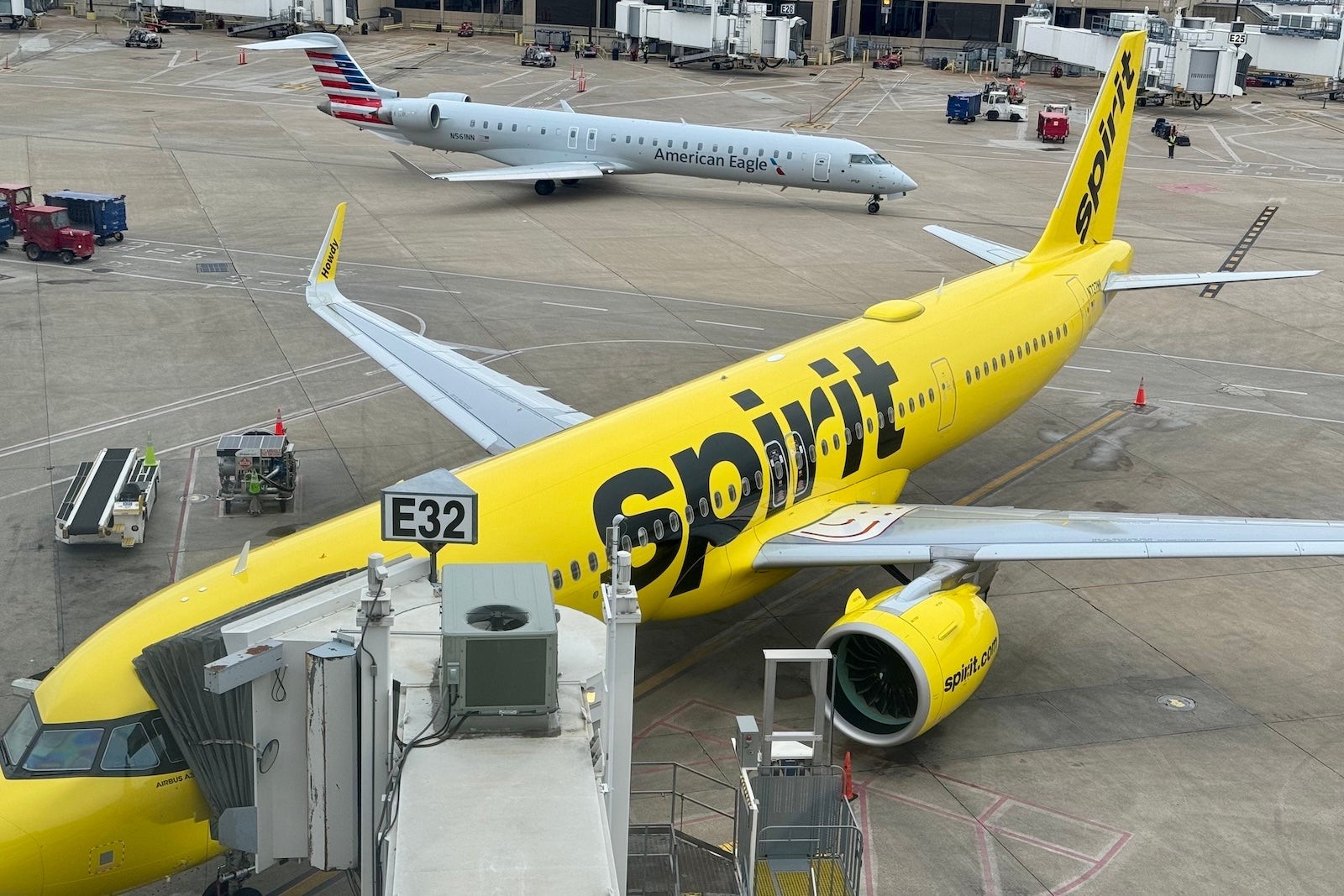
Spirit Airlines, the ultra-low-cost carrier, announced a key step toward emerging from Chapter 11 bankruptcy as early as late spring or early summer. This development marks a significant turning point for the airline, which filed for bankruptcy in August 2023 amid growing financial concerns.
Financial Restructuring Agreement Reached
The airline has reached an agreement with its creditors, securing the financial backing needed to complete its restructuring process. According to Spirit’s President and CEO Dave Davis, the company will emerge “as a strong, leaner competitor” capable of profitably serving budget-conscious travelers.
Operational Changes Planned
Spirit’s restructuring includes a revamp of its flight schedule. The airline plans to optimize capacity by increasing flights during peak travel days and reducing them during off-peak periods. These adjustments reflect a strategic shift toward more efficient operations, aligning flight availability with demand.
Enhanced Customer Experience
Beyond operational changes, Spirit intends to introduce “more premium choices” onboard its flights and update its Free Spirit loyalty program. These improvements suggest a move to enhance customer experience, potentially attracting a broader customer base.
Industry-Wide Impact
The continued operation of Spirit Airlines is expected to benefit the broader airline industry. Competition from budget carriers like Spirit often pressures other airlines to lower fares, benefiting consumers. However, Spirit’s emergence from bankruptcy will likely come with a reduced flight capacity, as the carrier plans to operate 28% fewer flights in the first half of 2026 compared to the previous year.
Looking Ahead
Travelers with existing Spirit bookings can now anticipate more stability after months of uncertainty. While further flight cuts remain possible, this week’s announcement provides some reassurance. Spirit Airlines is poised to become a smaller, more focused competitor in the airline market, prioritizing profitability and value for price-sensitive customers.