
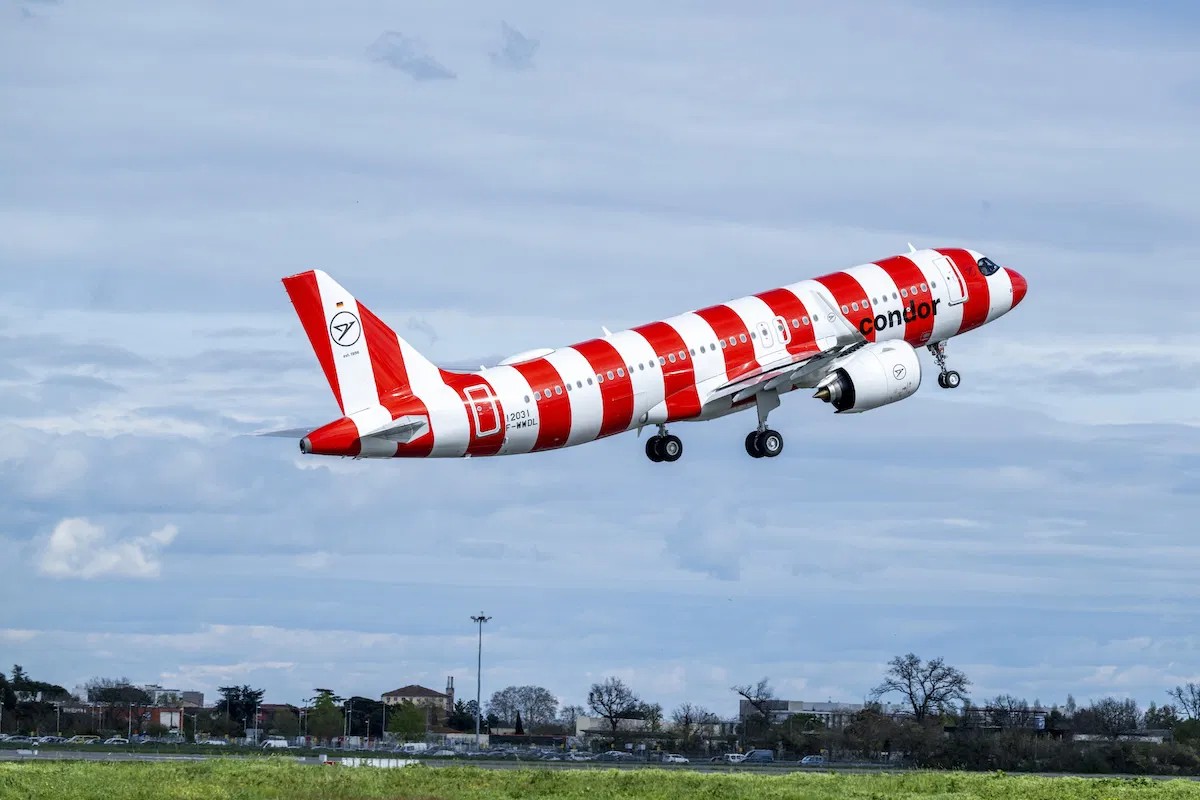
Southwest Airlines is rapidly expanding its network through strategic airline partnerships, marking a significant shift for the historically independent carrier. The latest addition, Germany’s Condor, brings the total number of such agreements to five in just under a year – following deals with Icelandair, China Airlines, EVA Air, and Philippine Airlines.
What Does the Condor Partnership Mean?
The agreement with Condor, launching January 19, 2026, is an interline agreement – the most basic form of airline cooperation. This allows passengers to book a single ticket combining flights on both Southwest and Condor, streamlining travel between select U.S. cities (Boston, Las Vegas, Los Angeles, Portland, San Francisco, and Seattle) and destinations served by the German airline.
This matters because Southwest, traditionally avoiding complex alliances, is now actively seeking connections beyond its own routes. This move suggests a broader strategy to compete more effectively in international markets.
The Strategy Behind the Partnerships
Southwest’s approach to these partnerships appears tiered. While the Icelandair deal hints at deeper integration (including potential codeshares and loyalty program alignment), the recent additions – including Condor and Philippine Airlines – seem focused on low-effort, low-cost revenue generation.
“Adding Condor to our portfolio of partners brings transatlantic journeys between dozens of airports in the U.S. and exciting and aspirational places Condor serves,” says Southwest COO Andrew Watterson.
This implies the airline is prioritizing immediate financial gains from interline ticket sales rather than building long-term reciprocal benefits for frequent flyers. Interestingly, both Condor and Philippine Airlines already have stronger ties with Alaska Airlines, which includes loyalty point earning/redemption options – a benefit currently absent in Southwest’s new agreements.
Why This Matters for Travelers
For now, the Condor partnership offers limited direct advantages. Passengers gain convenience through seamless booking, including checked baggage transfers. However, the lack of codeshares or loyalty program integration means no enhanced benefits like earning Rapid Rewards points on Condor flights, or vice versa.
The bigger picture is that Southwest is testing the waters with partnerships. Whether it will evolve towards more robust collaborations (like those seen with Icelandair) remains to be seen. For now, the airline appears content with incremental revenue from interline agreements, a shift reflecting its evolving business model.
Southwest’s expansion into partnerships, while seemingly basic at present, demonstrates a willingness to adapt and explore new revenue streams. The airline’s long-term strategy remains unclear, but its growing network suggests an intention to become a more connected global player.