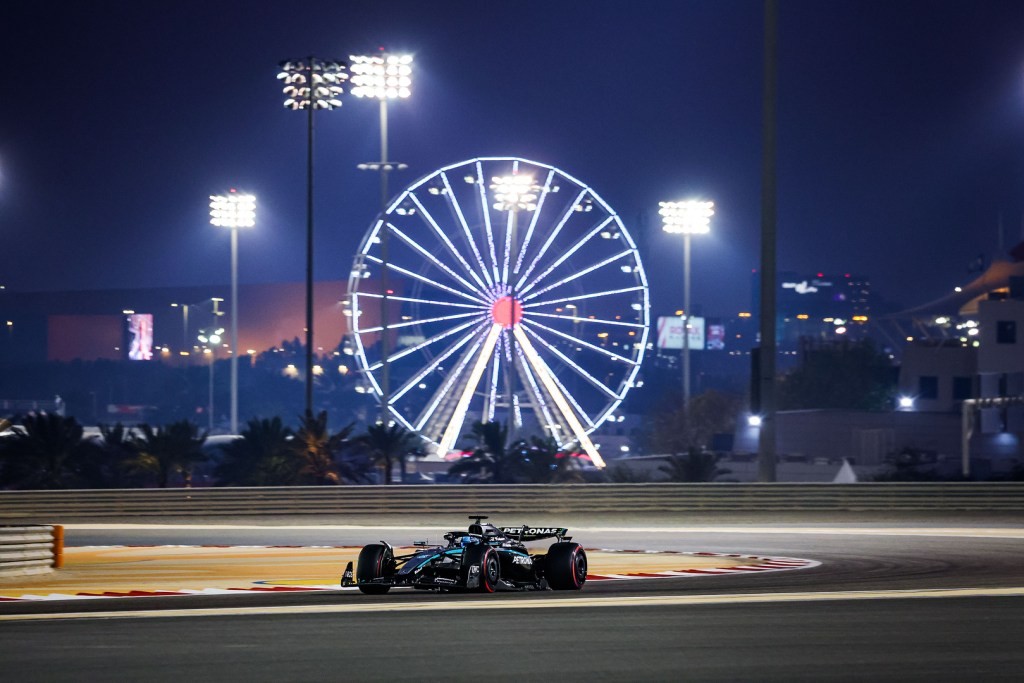
The Formula One races scheduled for Bahrain and Saudi Arabia in April have been postponed due to escalating regional tensions, with potential economic losses exceeding $200 million.
Conflict & Cancellations
Weeks of uncertainty surrounding the impact of the conflict in the Middle East culminated in the Fédération Internationale de l’Automobile (FIA) canceling the races. While the immediate financial hit is substantial, industry analysts suggest these are not permanent losses but rather deferred revenues.
The Broader Economic Picture
According to the World Travel & Tourism Council (WTTC), the entire Middle East region is losing approximately $600 million per day in international tourism spending due to the conflict. The postponement of these high-profile races compounds this downturn, impacting not only ticket sales but also hotel occupancy, international flights, and local hospitality businesses.
Why This Matters
The Gulf states have invested heavily in motorsport as part of broader strategies to diversify their economies and attract international attention. The deferral of these events highlights the risks of relying on high-profile events in politically unstable regions.
“The commercial deferment could exceed $200 million,” notes WTTC CEO Gloria Guevara, underscoring the significant economic stakes involved.
The long-term impact will depend on the duration and resolution of the conflict. If stability returns quickly, the races may be rescheduled, mitigating some of the financial damage. However, prolonged instability could lead to cancellations and a lasting blow to tourism revenue.