Saskatchewan is quietly becoming a world-class destination for astrotourism. The province’s unique combination of geographic location, low population density, and minimal light pollution creates some of the darkest, most pristine skies in North America. This isn’t just about seeing stars; it’s about experiencing a rare kind of silence and vastness that is increasingly hard to find in modern life.
Why Saskatchewan?
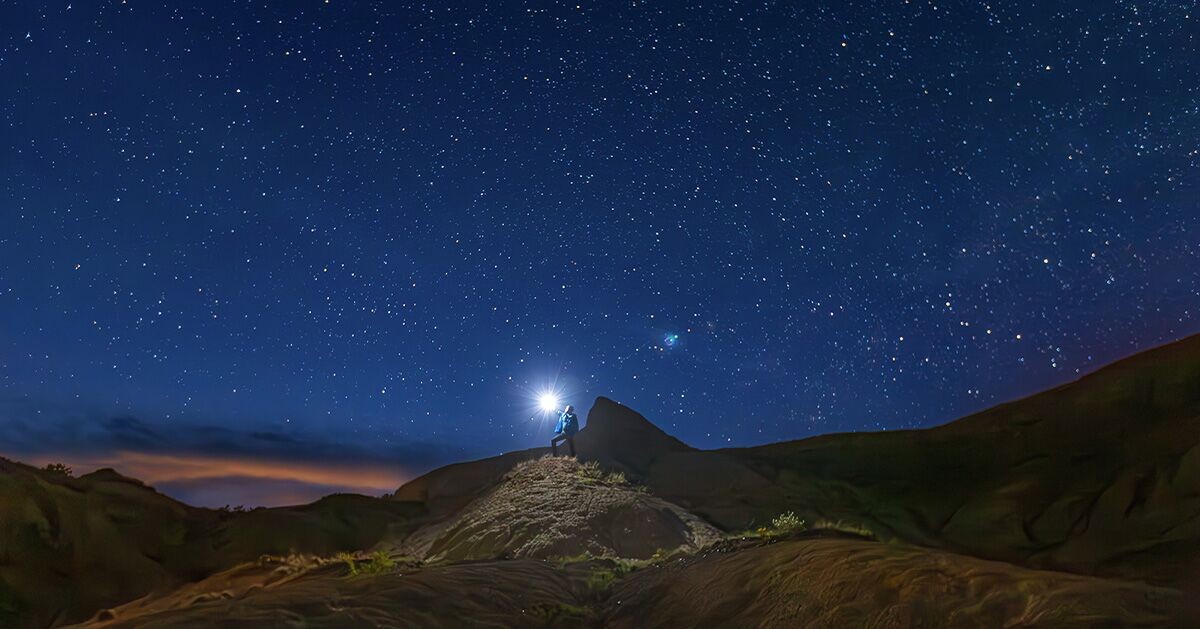
The lack of artificial light and human-made noise in much of Saskatchewan makes it a natural observatory. The skies here are not just clear, but deeply dark, allowing for views of the Milky Way, constellations, meteor showers, and even the aurora borealis in a way that many other regions simply can’t match. This is a growing trend in travel; people are seeking out experiences of true darkness for both scientific observation and pure wonder.
Two designated Dark Sky Preserves lead the way: Cypress Hills Interprovincial Park and Grasslands National Park. Both offer 360-degree unobstructed views, but each has its own character.
Cypress Hills: Astronomy with Amenities
Cypress Hills, straddling the Alberta-Saskatchewan border, is the higher-elevation park of the two. It’s a more developed destination, with campgrounds, amenities, and even an observatory. The Centre Block offers structured astronomy programs, including the annual Saskatchewan Summer Star Party. The West Block is wilder, with fewer services but even darker skies, ideal for astrophotography.
The best time to visit is May through early October. Clear nights are common, and meteor showers peak in late summer. Essential tools include a star chart, binoculars, or a telescope, but even a simple stargazing app on your phone can help you navigate. Remember: red cellophane over flashlights preserves your night vision.
Grasslands: Silence and the Deepest Dark
Grasslands National Park takes the darkness to another level. Officially recognized by the Canadian Space Agency as the country’s “darkest Dark Sky Preserve,” it also offers one of the last true experiences of uninterrupted prairie silence. The park is vast, split into East and West blocks, each roughly two hours apart by car.
The East Block features badlands and viewpoints overlooking the rolling hills, ideal for spotting deep-sky objects. The West Block is home to a roaming bison herd and even darker skies. The 70 Mile Butte Trail offers panoramic views. Grasslands also hosts the annual “Beyond the Big Dipper” star party, connecting amateur stargazers with astronomers.
Beyond the Parks: Aurora and Untamed Skies
The darkness isn’t limited to the parks. Saskatchewan’s remote areas, such as the Great Sand Hills and Porcupine Hills Provincial Park, deliver equally stunning views. Moreover, Saskatchewan sits under the auroral oval, offering a chance to see the northern lights year-round, with peak viewing during winter and fall.
Preserving the Darkness
Saskatchewan’s astrotourism is still emerging, and preserving these pristine skies is crucial. Reducing light pollution and respecting the nocturnal environment ensures that future generations can experience this natural wonder. The beauty of these places depends on the commitment of visitors to protect them.
Saskatchewan’s dark skies aren’t just about seeing stars; they’re about reconnecting with the natural world in a way that’s increasingly rare. It’s an experience that stays with you long after the last meteor shower fades.