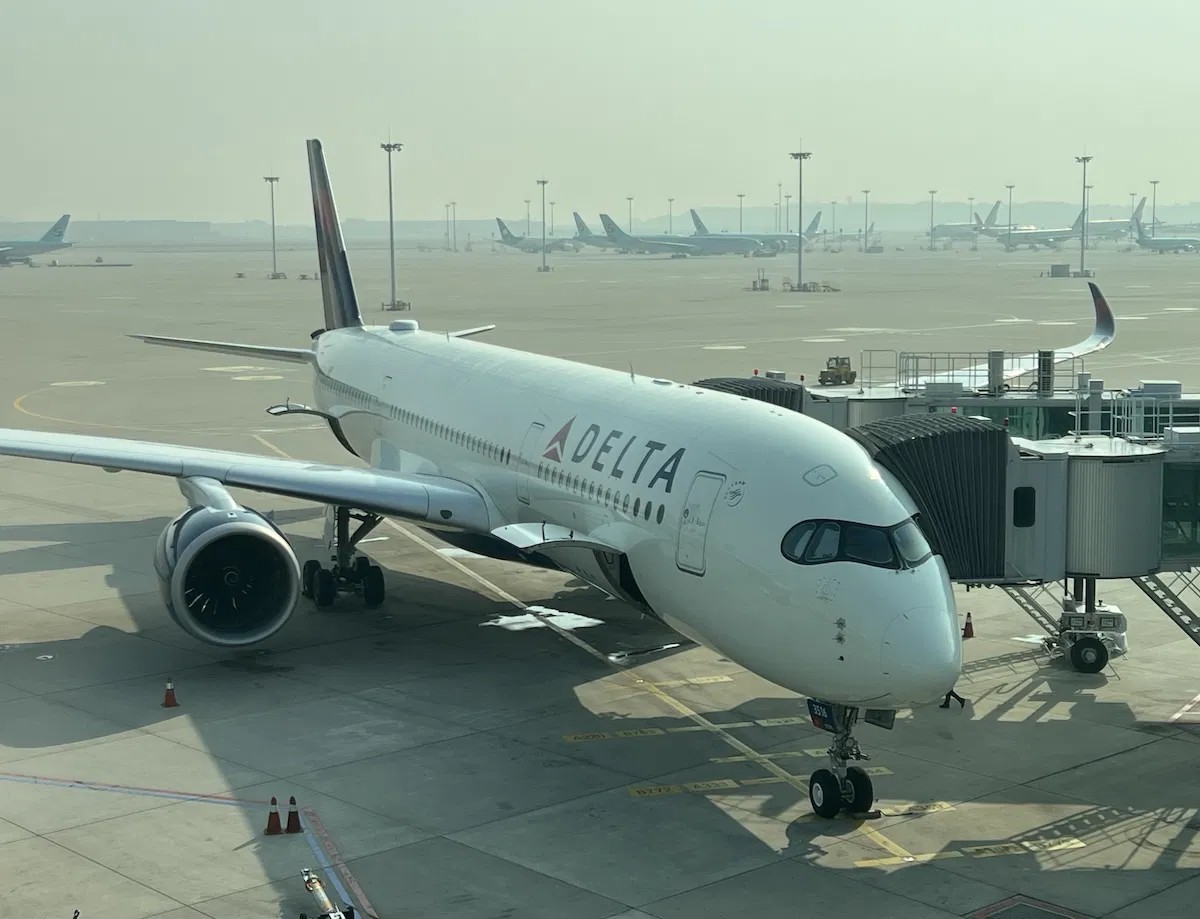
A Delta Air Lines flight traveling from Seattle to Taipei was forced to divert to Anchorage, Alaska, on March 14, 2026, after a passenger and flight attendant engaged in a heated confrontation that escalated to threats of violence and racial slurs. The incident, involving flight DL69 operated by an Airbus A350-900 (registration N512DN), underscores the growing tension between passengers and airline personnel and the risks associated with in-flight disturbances.
The Incident: A Verbal Escalation
The dispute began shortly after the first meal service, when a passenger repeatedly questioned a flight attendant about bathroom availability in a disrespectful manner. Witnesses described the passenger as aggressive even before boarding, with behavior worsening after being served alcohol. The situation rapidly deteriorated into a verbal exchange, with the passenger making racial slurs and threatening physical harm to the flight attendant upon landing.
The flight attendant reportedly responded in kind, engaging in a similarly disrespectful tone, further fueling the conflict. Passengers intervened, attempting to de-escalate the situation, but the dispute continued until the pilots determined it posed a level three threat, necessitating a diversion to Anchorage. Security personnel arrested the passenger upon landing, who now faces charges related to interfering with flight crew members.
Diverting the Flight and its Aftermath
The flight was grounded in Anchorage for approximately two hours before resuming its journey to Taipei. The delay resulted in a three-hour setback, with the flight arriving at 12:21 AM local time instead of its scheduled 9:05 PM arrival. The incident highlights the severe consequences of disruptive behavior on commercial flights, including costly diversions and potential criminal charges for passengers involved.
Crew Response and De-Escalation Concerns
While the passenger’s actions were clearly unacceptable, the report raises questions about the crew’s handling of the situation. One pilot noted that the altercation became so severe that physical violence appeared imminent, yet the flight attendant continued to engage in the verbal exchange.
Some observers suggest that a more proactive approach, such as immediate separation of the parties or relocation of the flight attendant, could have prevented the escalation. The incident prompts discussion about the training and protocols for airline staff in de-escalating conflicts.
Accountability and Future Implications
The passenger involved is likely to face legal consequences and may be banned from future Delta flights. The case serves as a reminder of the zero-tolerance policies airlines enforce regarding disruptive behavior, but also highlights the need for better training in conflict management for cabin crews.
Ultimately, the incident underscores the importance of passenger accountability and the responsibility of airline staff to prioritize safety and de-escalation in high-stress environments.