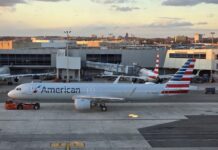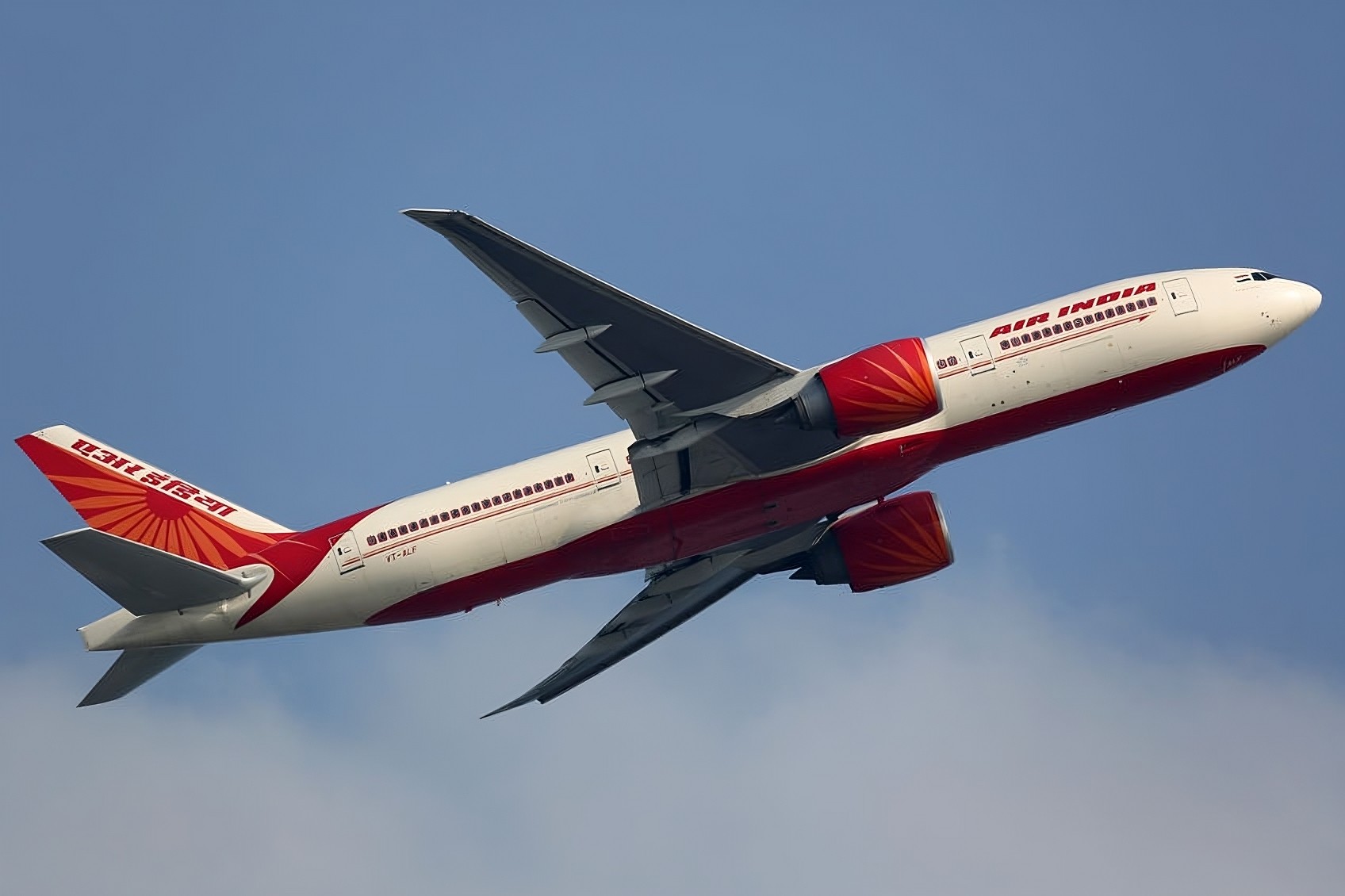
An Air India flight from Delhi to Vancouver was forced to turn back after more than seven hours in the air due to a critical operational error: the aircraft dispatched lacked sufficient emergency oxygen for the route. The incident highlights a systemic issue within the airline’s fleet management, specifically involving leased aircraft acquired from Delta Air Lines during the pandemic.
The Operational Error: Not a Regulatory Block, But a Fleet Issue
Initial reports incorrectly suggested that the flight was grounded due to Canadian regulatory issues preventing the use of a Boeing 777-200LR on the Vancouver route. However, the core problem isn’t about the aircraft type being banned from Canada; it’s about the specific subfleet of 777-200LRs Air India has been operating. These planes were previously retired from Delta’s fleet and leased back to Air India without crucial safety upgrades.
Specifically, Air India operates routes that cross high-altitude terrain, including the Himalayas and the Hindu Kush mountains. Emergency oxygen is legally required on these flights, and the older, Delta-leased planes have a significantly reduced oxygen supply—enough for only about 12 minutes in an emergency. Descent profiles over rugged terrain can require more time, potentially leaving passengers at risk.
The Fleet Detail: Ex-Delta Aircraft Lacking Upgrades
Between 2007 and 2010, Air India acquired eight Boeing 777-200LR aircraft. Five were later sold to Etihad in 2014, and five more were leased from Delta after the pandemic. The key issue is that these ex-Delta planes haven’t been upgraded with the extended oxygen capacity standard for Air India’s legacy fleet. The specific aircraft involved in this incident, registered VT-AEI (formerly N708DN), is one of these leased planes.
Other affected aircraft include:
- VT-AEE (ex N704DK)
- VT-AEF (ex N702DN)
- VT-AEG (ex N706DN)
- VT-AEH (ex N707DN)
Regulatory Oversight and Prior Warnings
India’s Directorate General of Civil Aviation fined Air India in January 2024 for operating these leased 777s on terrain-critical routes without the necessary emergency oxygen arrangements. One ex-Delta jet was previously diverted to avoid the Hindu Kush after a pilot identified the issue. The incident underscores a failure to properly assess and rectify safety gaps in the leased fleet.
The core problem isn’t about Air India not being allowed to send 777-200LRs to Canada; it’s about the specific subfleet of aircraft lacking essential safety features.
This incident highlights the risks associated with rapidly integrating leased aircraft without thorough safety checks. It also demonstrates the importance of consistent fleet management and adherence to regulatory standards, especially on long-haul routes over challenging terrain.