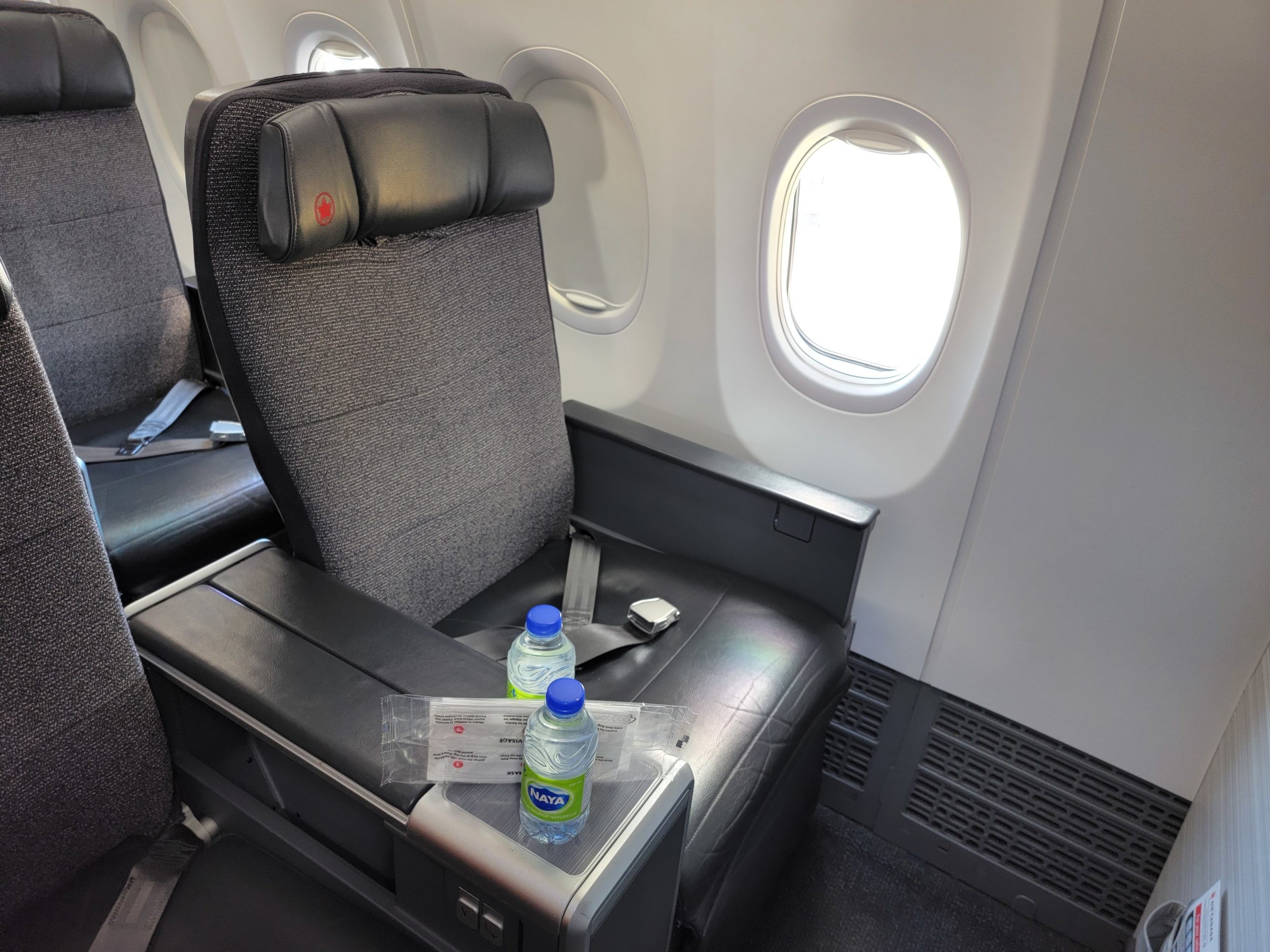
Air Canada flight attendants represented by the Canadian Union of Public Employees (CUPE) are protesting the airline’s improvements to its Rouge subsidiary, claiming the changes violate their collective bargaining agreement. The core of the dispute centers on enhanced premium seating and onboard service offered on Rouge flights, particularly as the subsidiary’s product nears parity with Air Canada’s mainline service.
The Contractual Concerns
The union argues that Rouge’s upgrades—including the transfer of Boeing 737 MAX 8 aircraft with business-class seating—breach established contract limits. These limits restrict Rouge narrowbody forward-cabin seats from exceeding the width, pitch, or recline of mainline narrowbody business class seats. Additionally, Rouge’s onboard service is contractually capped at the level of Air Canada’s international premium economy class.
However, the airline maintains that the changes comply with the contract. The upgraded seating on Rouge aircraft is identical to mainline business class, and service enhancements remain within the agreed-upon premium economy standards. CUPE alleges that “early observations suggest” service limits are not being respected, but evidence indicates Rouge is merely offering complimentary meals, beverages, and entertainment—services already available in premium economy.
The Underlying Tension: Scope and Labor Costs
The dispute extends beyond seating and service. The union’s primary concern appears to be scope : the potential for Air Canada to expand Rouge’s operations, shifting flights from higher-paid mainline flight attendants to lower-paid Rouge crews.
This tension is rooted in a contentious labor negotiation process that concluded with binding arbitration in 2025. CUPE alleges that the arbitration award fell short of their demands, leaving the union dissatisfied with the terms. By limiting Rouge’s growth, the union aims to preserve work opportunities for mainline flight attendants and maintain higher labor costs for certain routes.
A Union Divided?
Interestingly, CUPE represents flight attendants at both Air Canada mainline and Rouge. The union has previously fought to restrict Rouge flying, despite representing workers on both platforms. This suggests a strategic approach to prioritize mainline employment over Rouge expansion, even if it means limiting the airline’s flexibility in route development.
The conflict highlights a broader trend in airline labor relations: unions seeking to protect existing job security and wages amidst shifting market conditions and airline restructuring.
The dispute is likely to continue as Air Canada seeks to optimize its operations, and CUPE strives to defend its members’ interests. The outcome will determine how much flexibility the airline has in positioning Rouge as a premium leisure carrier while adhering to contractual obligations.