New York and New Jersey are gearing up to host the 2026 FIFA World Cup final, transforming the region into a major destination for soccer fans worldwide. The joint bid, secured in 2017, leverages the area’s cultural diversity, entertainment industry dominance, and robust infrastructure to deliver an unparalleled fan experience.
A Region Ready to Host
The selection of NY/NJ as the host city wasn’t accidental. As Bettina Garibaldi, a key figure in the host committee, explains, the region’s welcoming atmosphere and deep-rooted soccer culture – from Major League Soccer to thriving local teams – made it a natural fit. The region’s existing infrastructure, including airports, public transit, and venues, further solidified its viability. The committee is working diligently to ensure seamless coordination between New York and New Jersey, a critical factor given the cross-state collaboration required.
Beyond the Stadium: Immersive Fan Zones
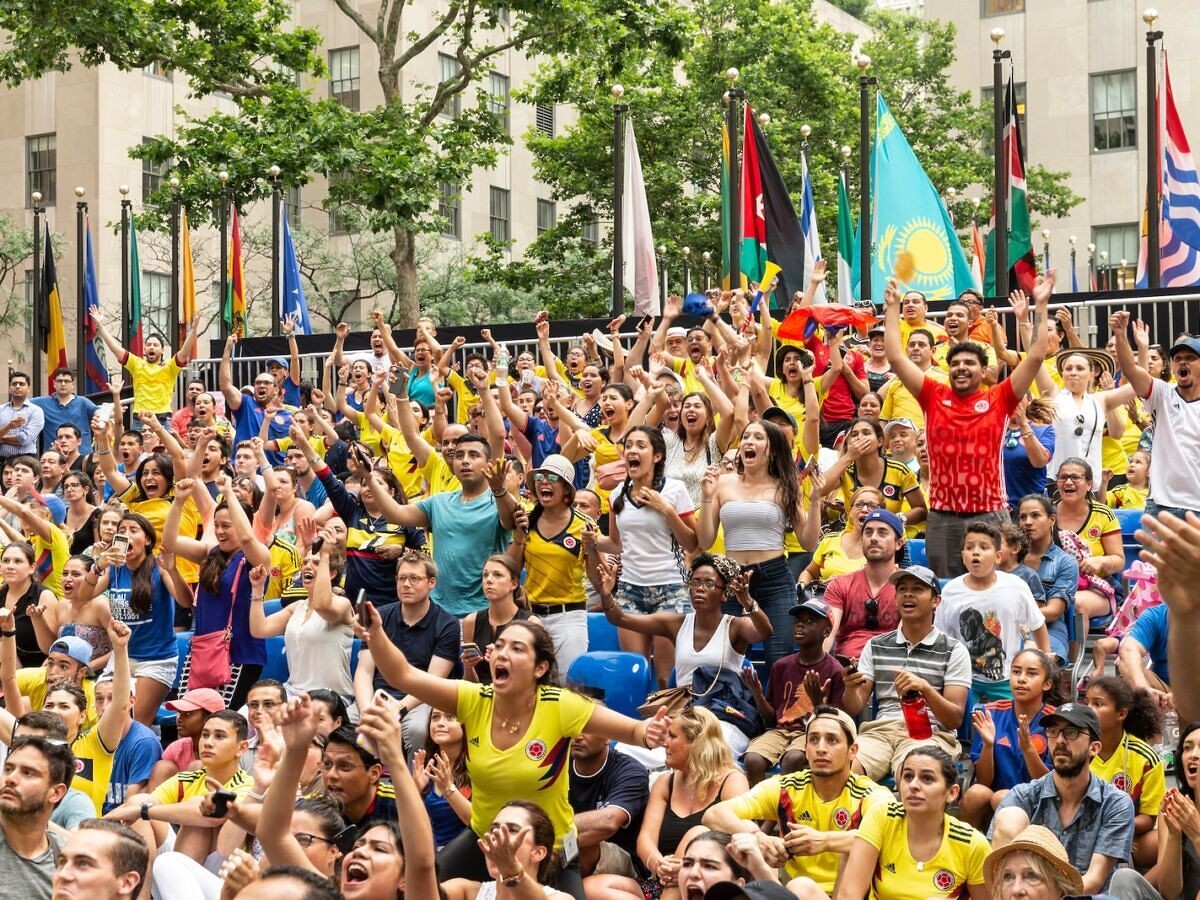
Recognizing that not all fans will secure stadium tickets, the host committee is establishing multiple fan zones to immerse visitors in the World Cup atmosphere. These include:
- Liberty State Park (Jersey City): An 800,000-square-foot “epicenter” with match viewings, sponsor activations, food, entertainment, and community engagement.
- Rockefeller Center (Manhattan): A high-profile fan village replacing the iconic ice rink with a soccer pitch, in partnership with Telemundo. This strategic location maximizes exposure for both tourists and locals.
- Louis Armstrong Stadium (Queens): An in-stadium experience with a large screen for fans who want a taste of the game-day energy.
- Mobile Fan Zones: Additional pop-up zones will be announced to ensure broad accessibility across the region.
Economic Impact and Community Engagement
The World Cup is projected to generate a conservative $3.3 billion in economic impact for the NY/NJ region, with an expected influx of over 2 million visitors. The committee is actively engaging local businesses through a dedicated toolkit, providing resources to maximize participation and benefits. A community engagement calendar will highlight World Cup-related events hosted by local chambers of commerce, ensuring widespread involvement.
Security, Transportation, and Welcoming the World
Security is a top priority, with collaboration between federal agencies, NYPD, and New Jersey State Police. Transportation will rely heavily on existing infrastructure – MTA, New Jersey Transit, and the Port Authority – ensuring efficient movement of fans. The committee is also committed to multilingual communication, recognizing soccer’s global reach. The goal is to create a welcoming environment for international visitors, with clear wayfinding and information in multiple languages.
Insider Tip: Explore Beyond the Tourist Trail
Garibaldi advises fans to venture beyond iconic landmarks and immerse themselves in the region’s diverse communities. The committee plans to launch a small business incentive program, encouraging visitors to explore local establishments. Public transit remains the most cost-effective way to navigate the region.
“You’ll feel like you’ve gone to the World Cup by attending a fan zone because of the energy… it’s the beauty of the interconnectedness of New York and New Jersey.”
The 2026 World Cup in NY/NJ promises a world-class fan experience, extending far beyond the stadium gates. The region’s commitment to inclusivity, economic opportunity, and seamless logistics will make it a memorable destination for soccer enthusiasts worldwide.