The debate over airplane window shades isn’t just about personal preference—it’s a microcosm of how unspoken social pressures influence behavior even at 35,000 feet. Many passengers quietly conform to keeping shades down during flights, even in broad daylight, often due to perceived etiquette or simple peer pressure. But why? And how much should individual comfort yield to collective rest?
The Aviation Enthusiast’s Dilemma
For some, like aviation enthusiasts, the window is a portal to the wonder of flight. Observing the wings, engines, and landscapes below is a core part of the experience. The desire to witness the world from that perspective clashes with the common practice of near-total cabin darkness. This isn’t just about personal enjoyment; it’s about appreciating the unique vantage point air travel offers.
The Dynamics of Peer Pressure
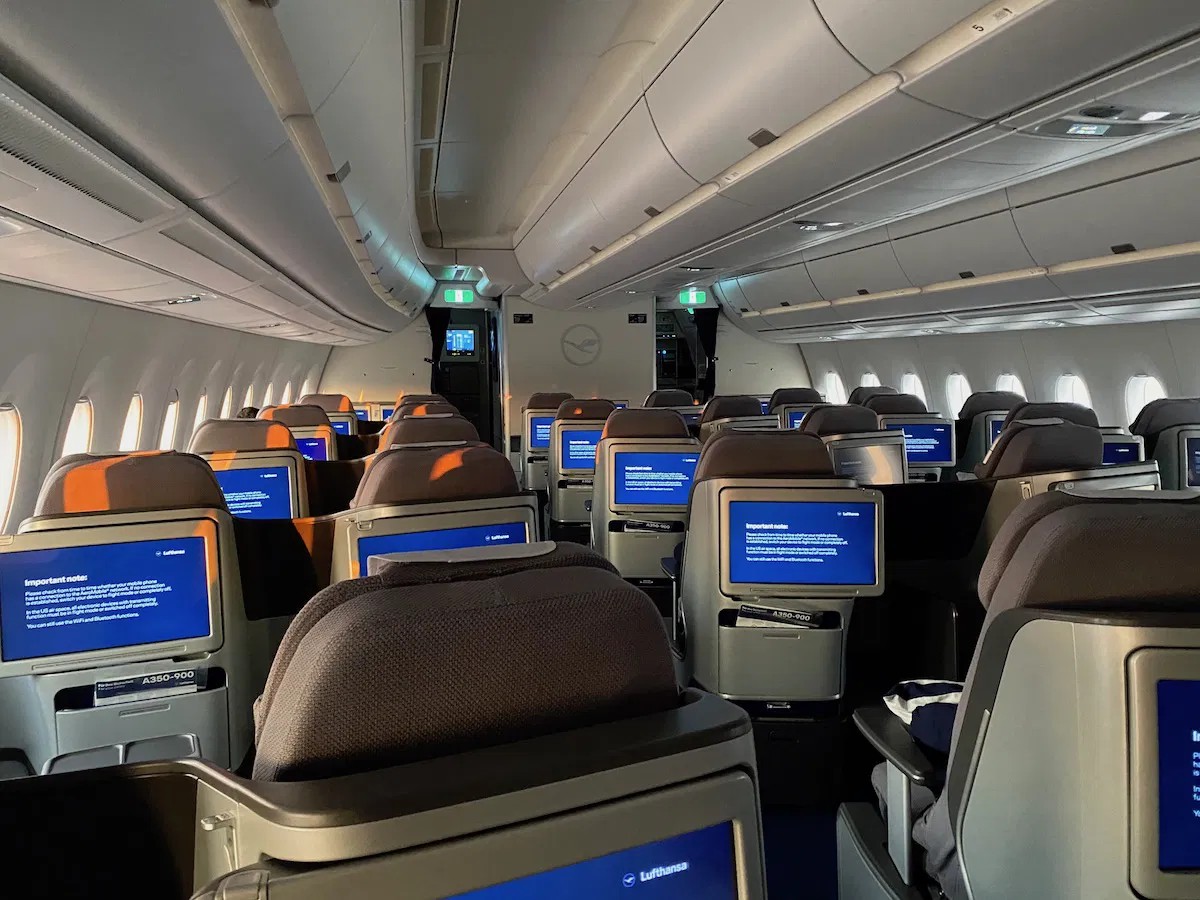
The phenomenon of uniformly darkened cabins isn’t always about crew requests or red-eye flights. It often happens organically: one person lowers their shade, then another, until an unspoken consensus takes hold. This dynamic raises a key question—why do passengers so readily conform? Is it fear of disrupting others, a desire to avoid being perceived as rude, or simply a lack of awareness that an alternative is possible?
When Darkness Makes Sense
There are legitimate reasons for darkened cabins. On overnight flights (even if briefly dark) or during sunrise, lowering shades respects sleeping passengers. Airlines sometimes encourage this, recognizing the need for rest during travel. But the trend extends far beyond these scenarios, often applying to daytime flights where many passengers are awake and could enjoy the view.
The Balancing Act
The core of the issue is a trade-off between individual preference and collective comfort. Should one person’s desire to see the outside world supersede others’ need to sleep? Some passengers will proactively open their shades, hoping to initiate a shift in behavior. Others will wait for at least one other window to be open before doing the same, to avoid the jarring contrast of a single bright window in an otherwise dark cabin.
The Bigger Picture
This seemingly trivial debate reveals broader social patterns. People often prioritize avoiding conflict over asserting their preferences, even in situations where no explicit rule exists. The prevalence of dark cabins suggests a willingness to sacrifice personal enjoyment for the sake of perceived politeness or avoiding judgment.
Ultimately, the decision to open or close a window shade is a small one, but it highlights how easily unspoken norms can dominate behavior, even when those norms don’t serve everyone equally.