Saudi Arabia is experiencing a surge in hiking and outdoor activity, driven by a combination of factors including increased health awareness, preservation of natural spaces, government initiatives, and a growing sense of community. What was once a landscape known for its vast, untouched deserts is now becoming a destination for both locals and tourists seeking adventure and cultural immersion.
The Rise of Outdoor Culture
For decades, Saudi Arabia’s dramatic landscapes – rugged mountains, sweeping deserts, and hidden valleys – remained largely unexplored by its own population. Today, the situation has changed dramatically. The increase in hiking isn’t just about physical activity; it’s about reclaiming a connection to the country’s natural heritage. Easy access to navigation apps, GPS technology, and digital maps has made previously inaccessible trails navigable, fueling a newfound interest in exploring the kingdom on foot.
Key Destinations: From ‘Edge of the World’ to Moon Valley
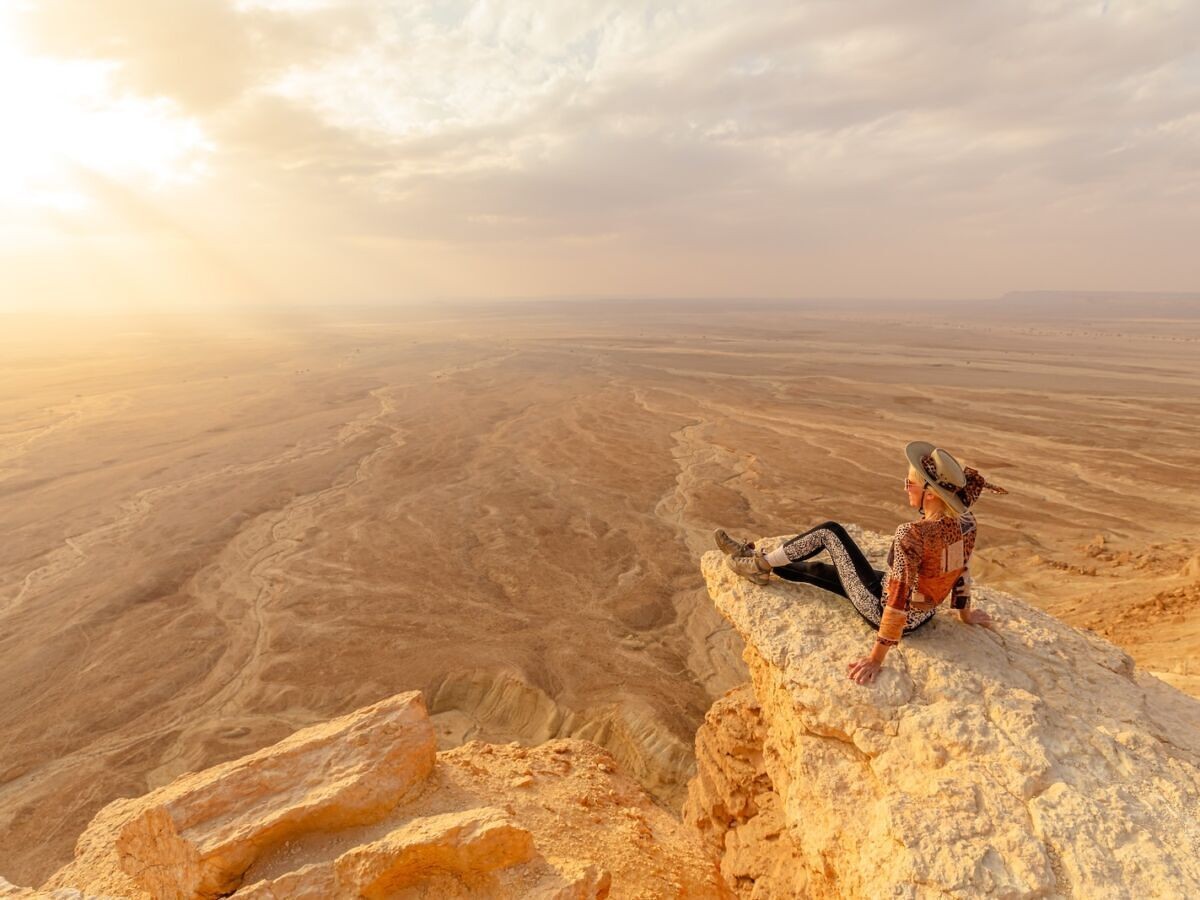
Several locations are leading this trend. The Tuwaiq Escarpment, rising 3,600 feet above the surrounding plains, is home to the iconic “Edge of the World,” a popular spot offering panoramic desert views. West of the escarpment, Wadi Al Qamar (Moon Valley) provides trails winding through lunar-like rock formations. In the south, the highlands of Asir boast lush trails through coffee estates and juniper forests, including the challenging Jabal Sawda Trail, which leads to Saudi Arabia’s highest peak at 9,892 feet. These destinations aren’t just scenic; they represent a shift in how Saudis interact with their environment.
History and Heritage on Foot
Hiking in Saudi Arabia is often interwoven with cultural exploration. Trails in AlUla, a UNESCO World Heritage site, lead through ancient Nabataean ruins, rock carvings, and the Sharan Nature Reserve. The Mussaigrah Trail and Ajlan Archaeological Trail in central Saudi Arabia follow paths once used by incense traders, revealing 8,000-year-old graffiti and remnants of ancient settlements. This connection between nature and history adds depth to the experience, offering hikers a glimpse into the region’s rich past.
Urban Hiking and Government Support
The trend extends to cities, where walking groups like Infinite Trails and Riyadh Walkers organize regular excursions. Jeddah’s municipality even launched Jeddah Walks 2, a gamified walking program encouraging residents to explore the city on foot. The Saudi government’s Vision 2030 Quality of Life Program plays a crucial role, investing in outdoor activities and encouraging healthy lifestyles. Projects like the rehabilitation of Wadi Hanifa in Riyadh have created accessible green spaces with well-maintained trails, making hiking more inclusive for families and casual walkers.
Trail Races and Community Building
The growing popularity of running and hiking is also reflected in events like the Riyadh Marathon, which has seen participation skyrocket from 10,000 to over 50,000 runners since 2022. In AlUla, the AlUla Trail Race combines endurance with breathtaking scenery. These events are not just competitions; they’re opportunities for community building. Women-focused networks like the RWG Community are also emerging, creating safe and supportive spaces for female hikers.
The rise of Saudi Arabia’s hiking culture is more than just a trend – it’s a fundamental shift in how people interact with their environment and their heritage. By blending physical activity, cultural exploration, and community building, the kingdom is carving out a new identity for itself, one step at a time.