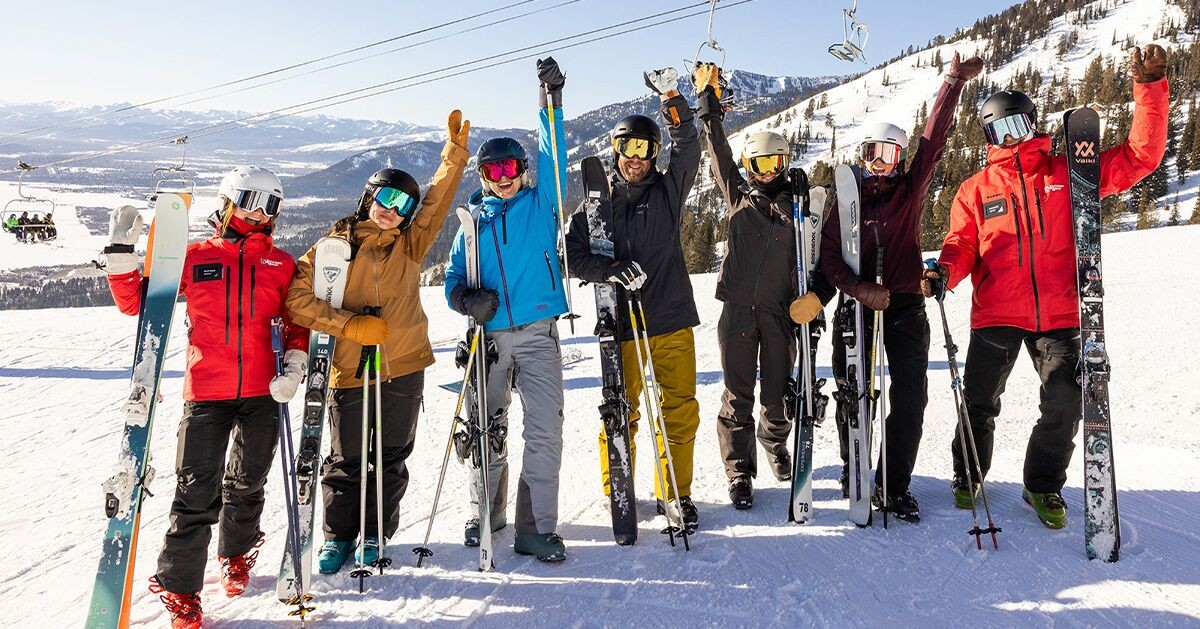
Grand Teton National Park offers a uniquely rewarding experience during the colder months, a fact often overlooked by the millions of visitors who flock there in summer. While peak season brings crowds and logistical challenges, winter transforms the park into a tranquil wilderness where solitude, wildlife viewing, and pristine landscapes reign supreme. The late Olaus Murie, a key figure in shaping the park’s preservation, understood this well – a sentiment echoed in the Norwegian saying he embraced: “There’s no such thing as bad weather, just bad clothing.”
The Appeal of a Frozen Wonderland
The most immediate benefit of visiting in winter is the dramatic reduction in crowds. In 2025, Grand Teton welcomed over 3.7 million visitors, making it the second-busiest year on record. But come January, that number drops to a fraction, offering a far more intimate experience. Fewer tourists mean effortless parking, unobstructed views, and the chance to truly connect with the landscape.
Beyond accessibility, winter eliminates many of the park’s summertime hazards. Bear encounters, a constant concern during warmer months, become virtually nonexistent as they hibernate. The absence of summer’s relentless tourist flow also means a quieter, more immersive experience – one where the natural beauty takes center stage.
Activities for Every Adventurer
Grand Teton in winter isn’t just about avoiding crowds; it’s about embracing new opportunities. The snow-covered terrain is ideal for cross-country skiing, with impeccably groomed trails that cater to both classic and skate skiers. Snowshoeing through conifer forests reveals a different side of the park, where animal tracks tell stories in the fresh powder.
For those seeking a more extreme experience, backcountry skiing, heli-skiing, and snowmobiling are readily available. But winter also enhances more passive activities. The clearer skies result in unparalleled stargazing, especially given Teton County’s designation as an International Dark Sky Community. Guided tours offer a chance to explore the cosmos with state-of-the-art telescopes, and if conditions align, you might even witness the aurora borealis.
Wildlife Encounters and Local Culture
Winter also offers superior wildlife viewing opportunities. Elk, numbering around 9,500 in the neighboring National Elk Refuge, gather at lower elevations where snow is less deep, making them easier to observe. The same holds true for wolves, whose dark fur stands out against the white backdrop, increasing your chances of spotting a pack.
Meanwhile, the gateway towns of Jackson and Teton Village remain vibrant throughout the winter. From free figure skating performances at the Town Square to sled dog races and bustling bars, there’s always something happening. The local culture thrives, with shops staying open late and restaurants buzzing with activity.
Gear Up for Success
The key to enjoying Grand Teton in winter is preparation. Invest in high-quality, weather-resistant clothing: down parkas, waterproof outerwear, merino wool base layers, and insulated boots are essential. Don’t forget accessories like balaclavas, sunglasses with side shields, and an insulated mug to stay warm and hydrated. For those who love to cook outdoors, a portable pizza oven can elevate the experience.
Ultimately, visiting Grand Teton in winter isn’t just about avoiding the crowds; it’s about discovering a hidden gem where nature reigns supreme, wildlife thrives, and adventure awaits. By packing the right gear and embracing the cold, you’ll experience a side of the park that most visitors never see.