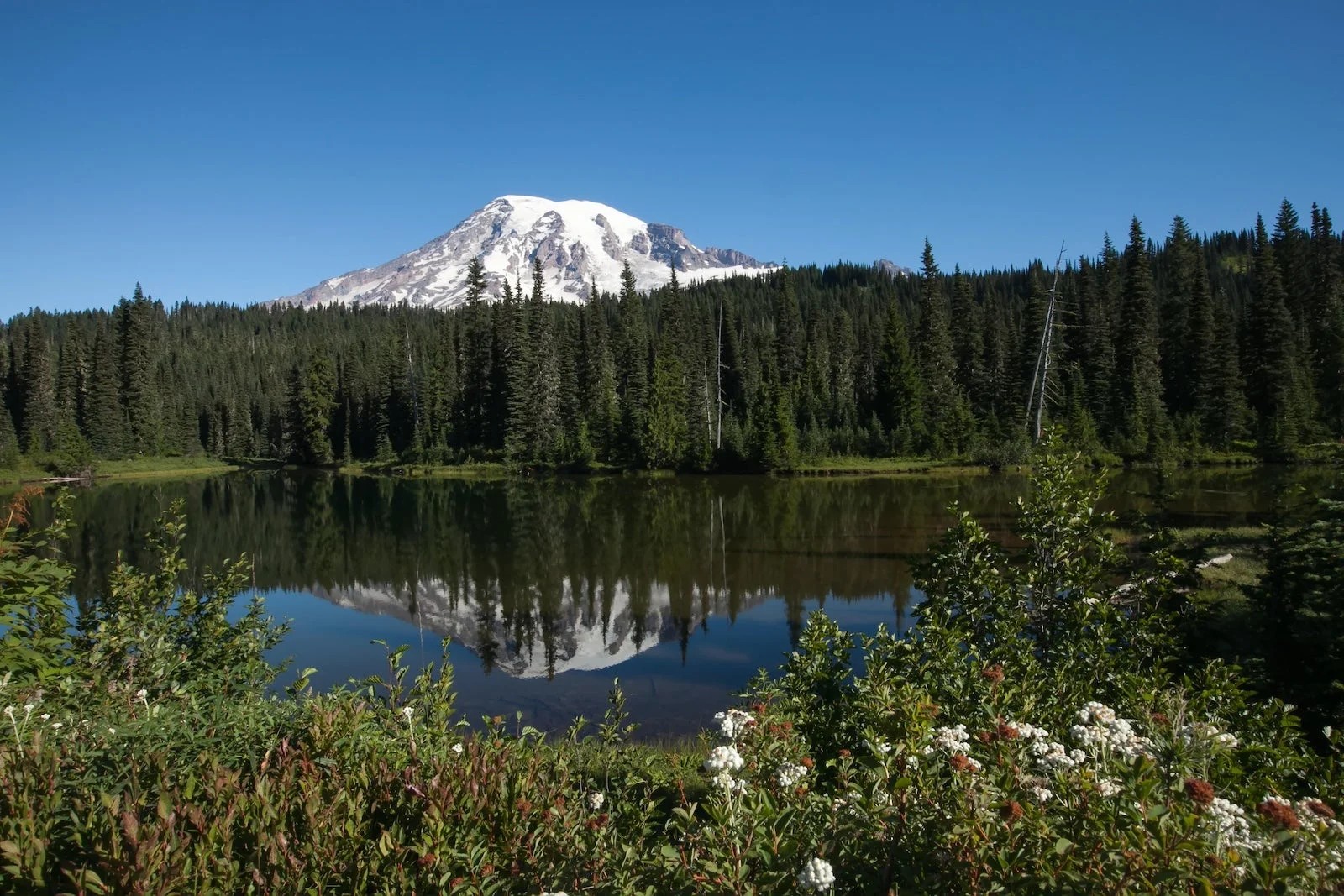
Four of America’s most-visited national parks – Mount Rainier, Yosemite, Glacier, and Arches – will eliminate timed entry reservation systems for the summer of 2026. This shift marks a significant change in park management strategies designed to address overcrowding.
The Shift Away From Reservations
For the past few years, many national parks have implemented reservation systems to manage visitor flow, reduce congestion, and protect park resources. These systems, typically active during peak seasons, required visitors to book entry times in advance. However, officials at these four parks have now decided to ease these restrictions.
Mount Rainier, which first introduced a timed entry system in 2024, will no longer require reservations for the 2026 summer season. Similarly, Yosemite —the sixth-most-visited park in 2024—will abandon its reservation policy after using it intermittently since 2020. Glacier and Arches will follow suit, also removing reservation requirements for the 2026 season.
Why the Change?
Park officials cite data from recent seasons as justification for the change. Yosemite’s decision, for instance, followed an evaluation of traffic patterns and parking availability during the 2025 season. The goal is to provide more flexibility for visitors while still managing congestion through other means.
However, this shift comes with potential drawbacks. Without reservations, parks could face increased traffic congestion, longer wait times at entrances, and difficulty finding parking. To mitigate these risks, officials encourage visitors to arrive early (before 7 a.m.), visit on weekdays, or check park websites for real-time conditions.
What About Other Parks?
Not all parks are following this trend. Rocky Mountain National Park in Colorado will retain its timed entry system for the 2026 high season, while Haleakala National Park in Maui continues to require sunrise reservations.
Moreover, some parks still use reservation systems for specific areas or activities, such as the Cadillac Summit Road in Acadia National Park or the Angels Landing trail in Zion National Park.
Implications for Visitors
The removal of reservation requirements could make planning national park trips simpler, but visitors should anticipate potential crowds and longer wait times. The change emphasizes the importance of proactive planning, including arriving early, visiting during off-peak hours, and monitoring park conditions before traveling.
The decision to drop reservation requirements represents a balancing act between accessibility and preservation. It remains to be seen whether this change will improve the visitor experience or exacerbate overcrowding in these iconic parks.