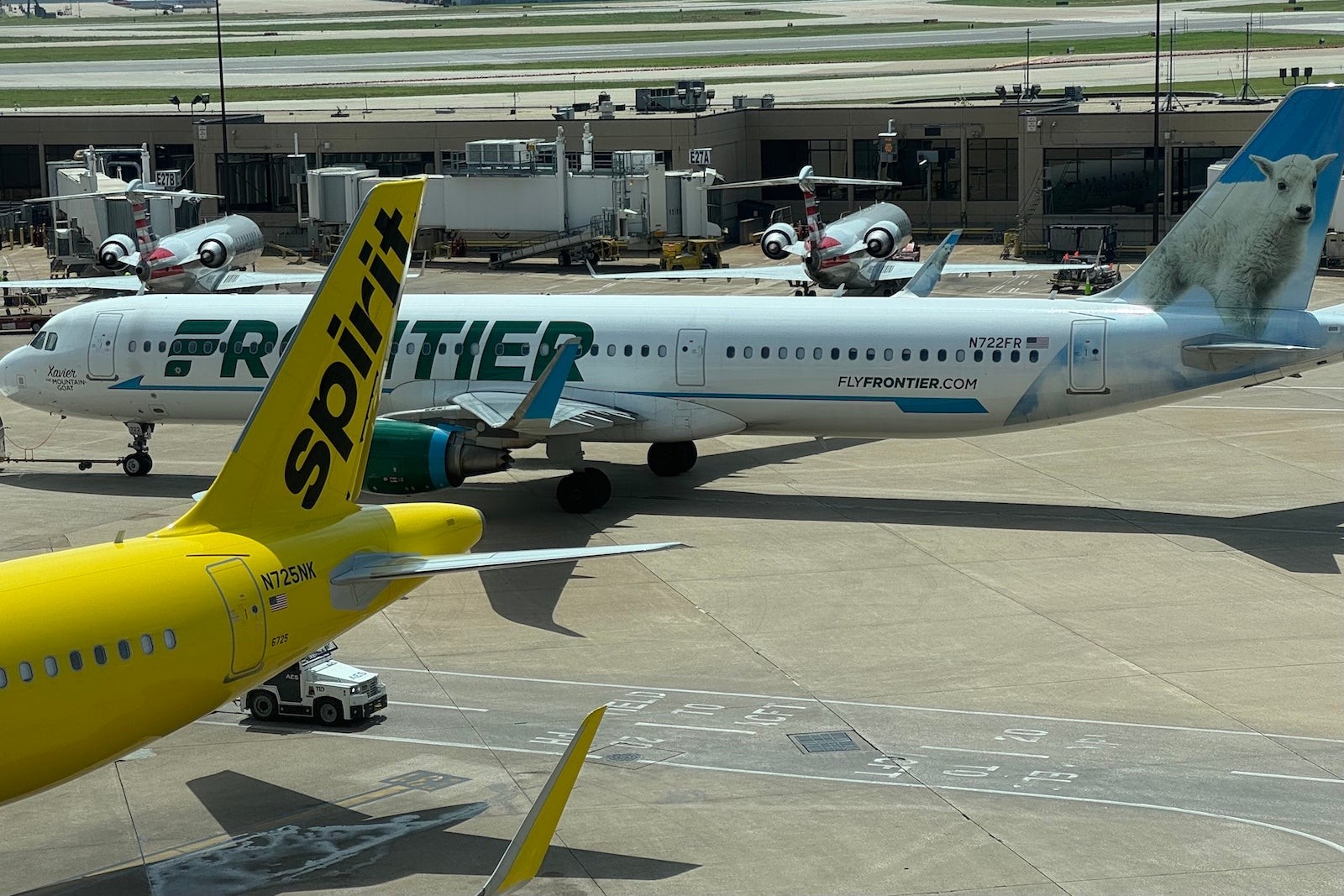
The ultra-low-cost carrier (ULCC) sector is facing a financial crossroads. Represented by the Association of Value Airlines, a group including Spirit, Frontier, Allegiant, Avelo, and Sun Country, budget airlines have formally requested $2.5 billion in federal assistance from the Trump administration to offset skyrocketing jet fuel costs.
While the request is framed as a way to “stabilize operations and keep airfares low,” it has ignited a fierce debate in Washington regarding the use of taxpayer money to support struggling private enterprises.
The Argument for Support: Maintaining Competition
The primary justification for this bailout is the role budget carriers play in the broader aviation ecosystem. Even for travelers who prefer premium service, the presence of low-cost airlines serves as a vital economic check on the industry’s “Big Four”: American, Delta, United, and Southwest.
According to data from aviation analytics firm Cirium, these major network airlines operated approximately 75% of all U.S. flights last year. Proponents of the bailout argue that:
– Price Suppression: Historically, the entry of discounters into specific markets has forced larger airlines to keep their fares competitive.
– Consumer Accessibility: Without the low-cost model, air travel might become a luxury reserved only for high-income earners, as major carriers would have less pressure to offer budget-friendly options.
A Sector in Financial Distress
The request comes at a time of significant volatility for the discount model. While the industry has seen a post-pandemic surge in travel, the “value” segment is struggling to keep pace with the lucrative shifts in consumer behavior.
Many travelers are now prioritizing premium experiences —such as upgraded seats, airport lounges, and robust loyalty programs—which larger airlines provide more effectively. This shift has left budget carriers vulnerable:
– Frontier Airlines reported a loss of $137 million last year.
– Spirit Airlines is currently facing extreme instability, undergoing its second bankruptcy and facing the possibility of total liquidation.
Political and Economic Pushback
The proposal faces steep uphill battles in Washington. U.S. Transportation Secretary Sean Duffy has noted that such significant financial intervention would require Congressional authorization, not just executive action.
Resistance is mounting from both sides of the aisle and from industry competitors:
– Legislative Skepticism: Lawmakers like Senator Ted Cruz (R-Texas) have already voiced strong opposition, labeling a bailout for Spirit an “absolutely terrible idea.”
– Industry Rivalry: Major carriers, led by United Airlines CEO Scott Kirby, argue that the crisis does not justify a taxpayer-funded lifeline. Kirby maintains that “well-run airlines” remain profitable and that the current fuel spike is not a systemic threat to the industry.
The High Stakes of a “No” Decision
If the government denies the request, the consequences could ripple through the entire travel market. If Spirit and other discounters are forced to ground their fleets, the competitive pressure on major airlines may vanish.
Industry experts warn of a potential “price floor” effect : if low-cost competitors disappear, larger airlines may use the current fuel crisis as a justification to maintain higher ticket prices even after oil costs stabilize.
The Bottom Line: Washington must now decide whether the survival of budget airlines is a public necessity for maintaining low airfares, or if providing taxpayer funds to struggling companies sets a dangerous economic precedent.