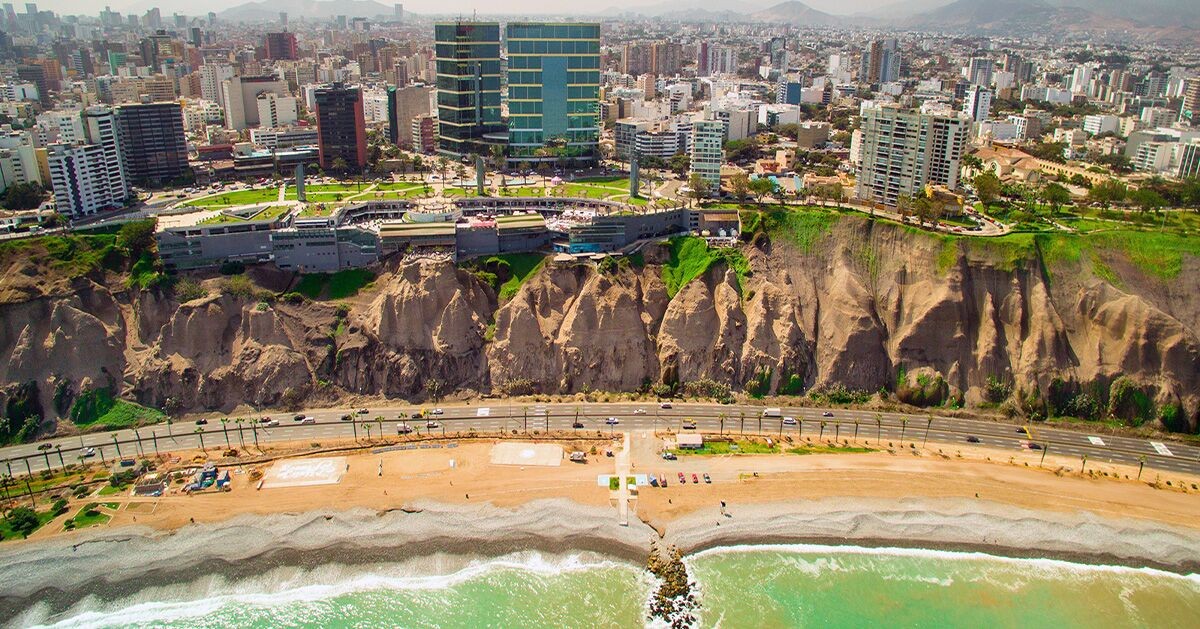
Lima, Peru, is rapidly becoming a must-visit destination, not just a transit point for adventurers heading to Machu Picchu or the Amazon. A major airport expansion slated for completion in 2026 will double capacity at Jorge Chávez International Airport, making Lima easier to reach and opening up more connections across the continent. This upgrade isn’t just about convenience; it signals Lima’s emergence as a destination in its own right.
A City Steeped in History
Founded in 1535 by Spanish conquistador Francisco Pizarro, Lima’s historic center, a UNESCO World Heritage site, still bears the imprint of its colonial past. Plaza Mayor, the heart of the city, is framed by the imposing Government Palace, the cathedral, and beautifully preserved colonial architecture now housing museums and shops. The city’s historical layers are visible everywhere, offering a tangible connection to Peru’s complex past.
The World’s Next Food Capital
Lima’s transformation into a culinary powerhouse is undeniable. In 2025, Maido, under chef Mitsuharu Tsumura, was crowned the world’s best restaurant, showcasing the innovative Nikkei cuisine that blends Japanese and Peruvian flavors. Central, led by Virgilio Martínez and Pía León, is another internationally acclaimed landmark, with its tasting menu ingeniously mapping Peru’s ecosystems by altitude.
However, Lima’s food scene extends far beyond these exclusive venues. From the bustling cevicherías serving Peru’s national dish in paper-wrapped portions, to the vibrant neighborhood markets like Surquillo and Magdalena, food is a central part of the city’s identity. Small, family-run “huariques” offer authentic dishes like lomo saltado, providing an accessible way to experience traditional Peruvian cuisine.
Beyond the Plate: Barranco’s Nightlife and Miraflores’ Luxury
For those seeking nightlife, Barranco, a coastal district south of the city center, boasts some of Lima’s best bars. PiscoBar, led by local expert Ricardo Carpio, is a must-visit for enthusiasts of Peru’s signature grape spirit. Meanwhile, Miraflores offers upscale hotels and restaurants, including the newly opened nhow Lima, which stands out with its bold contemporary design and rooftop bar overlooking the Pacific Ocean.
“The expansion of the airport isn’t just about easing travel; it’s about opening up Lima to the world as a destination that deserves exploration.”
Lima’s blend of history, culinary innovation, and modern luxury is making it a compelling destination for travelers. The city’s accessibility will only increase in 2026, solidifying its place as a rising hub in South America.