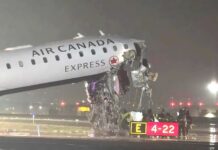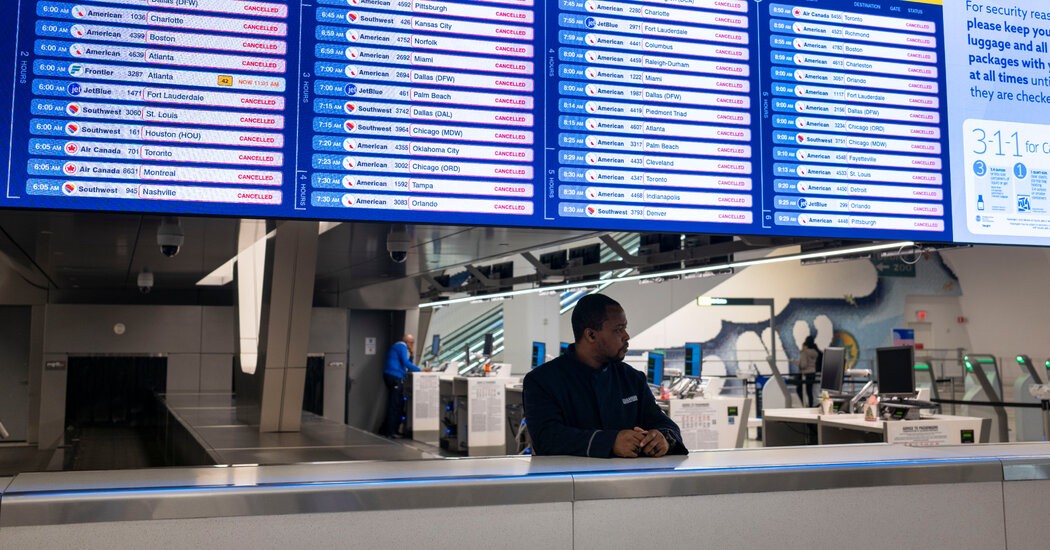
A fatal collision between an Air Canada Express plane and a fire truck at LaGuardia Airport in New York City on Sunday night has triggered widespread flight cancellations and significant travel chaos. At least 500 flights have been canceled as of Monday morning, with the airport remaining closed indefinitely while authorities investigate.
The Incident and Immediate Aftermath
The crash resulted in the deaths of both pilots aboard the Air Canada Express aircraft and injuries to multiple people on the ground. The Federal Aviation Administration (FAA) immediately issued a ground stop, halting all departures and arrivals. This caused a cascade of cancellations and diversions to neighboring airports such as JFK and Newark Liberty International.
The closure is not indefinite, though: the FAA has stated that the airport will remain closed until at least 2 p.m. Eastern, with the strong likelihood of further delays as investigators thoroughly examine the scene. The Port Authority is actively discouraging non-essential travel to the airport, restricting access to emergency personnel and investigators.
Impact on Travel Plans: What You Need to Know
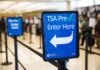
The disruptions primarily impact regional and domestic travelers, given LaGuardia’s operational limits – flights are restricted to destinations within a 1,500-mile radius, covering much of the East Coast, parts of Canada, and the central United States. The timing of the shutdown is especially problematic, as LaGuardia was already facing travel alerts due to the ongoing partial government shutdown, which caused a shortage of TSA officers and extended security wait times.
Passengers with canceled flights should expect significant delays in rebooking, as airlines work to clear the backlog.
What Passengers Should Do Now
Most major airlines are automatically rebooking passengers onto the next available flights. However, passengers should check their airline’s app or website to reschedule without penalty. Each carrier has specific travel waiver policies that vary, so direct digital management is essential.
If rebooking isn’t possible, airlines are offering refunds for canceled tickets. The process for requesting a refund varies by airline, but most will honor claims made through their official channels.
The LaGuardia shutdown underscores the fragility of air travel infrastructure, even in major metropolitan areas. The incident highlights the need for robust safety protocols and contingency plans to mitigate disruptions when accidents occur.
This is not a one-time problem: airlines have been facing staffing shortages for years, and shutdowns like this will become more common unless proactive solutions are implemented.