Airline seat recline has become a flashpoint for passenger conflict, as evidenced by a recent viral incident where one woman repeatedly had her seat pushed forward by the passenger behind her. The dispute highlights an ongoing tension between comfort and personal space on commercial flights.
The Incident and its Escalation
The incident, documented on social media under the hashtag #fyp, involved a woman attempting to recline her seat only for the passenger behind to aggressively push it forward each time. While the woman described it as her “worst plane ride”, the issue lies with the disruptive behavior rather than the recline itself. Flight attendants were alerted but the resolution remains unclear.
Why Seat Recline Matters
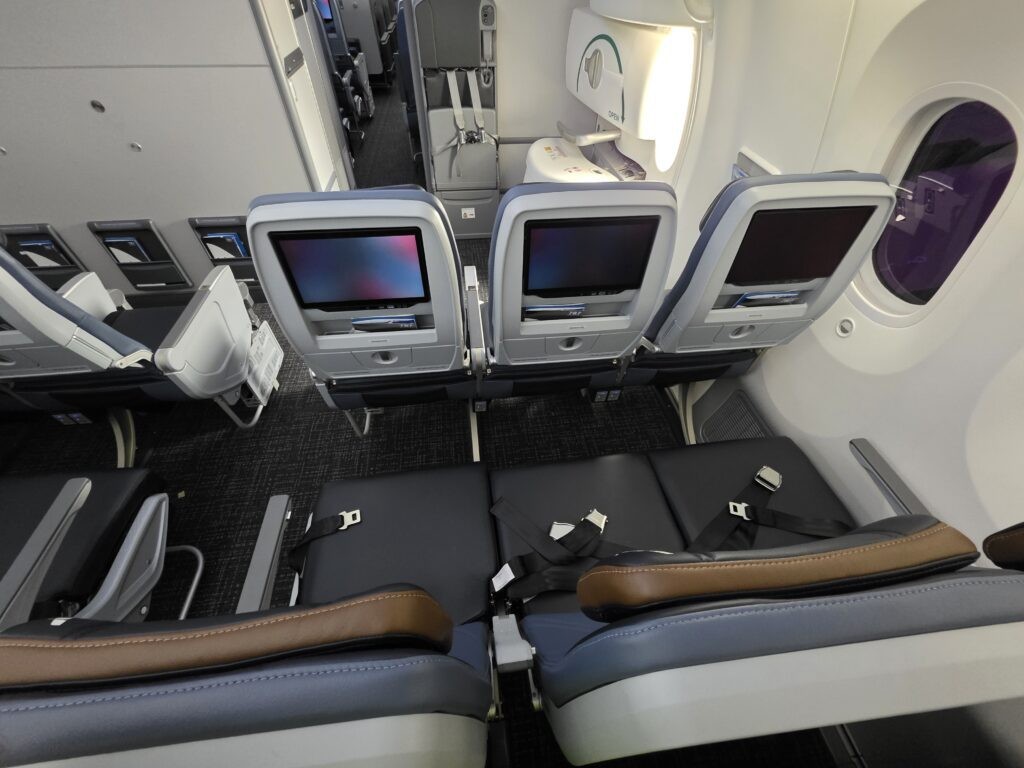
Seat recline isn’t merely about luxury. For long-haul flights, especially those with minimal padding, reclining distributes passenger weight, reducing strain on the back. Moreover, if a seat reclines, passengers have a reasonable expectation to use the function. Some low-cost airlines even sell “pre-reclined” seats (i.e., those that don’t recline at all), suggesting an implicit acknowledgment of the value of adjustability.
The Rules of Engagement
While airlines prohibit devices like the Knee Defender, which physically block recline, they do not explicitly ban passengers from interfering with the function. Etiquette suggests avoiding recline during mealtimes or when it offers no real comfort benefit. The proper approach involves asking politely or escalating to flight crew if necessary. Some passengers have proposed “Coasian solutions” – negotiating a monetary settlement to compensate for inconvenience.
When Passengers Take Matters Into Their Own Hands
The conflict has led to retaliatory behavior. One passenger used another’s headrest as a footrest, while another braced their hands against a seat for eight hours to prevent recline. One particularly aggressive passenger even lectured a fellow flyer, asserting that recline is “not allowed” on a ten-hour flight.
Ultimately, seat recline remains a contentious issue with no easy solution. Passengers must balance their comfort with respect for others, while airlines must address the potential for conflict and ensure that reasonable expectations are met.