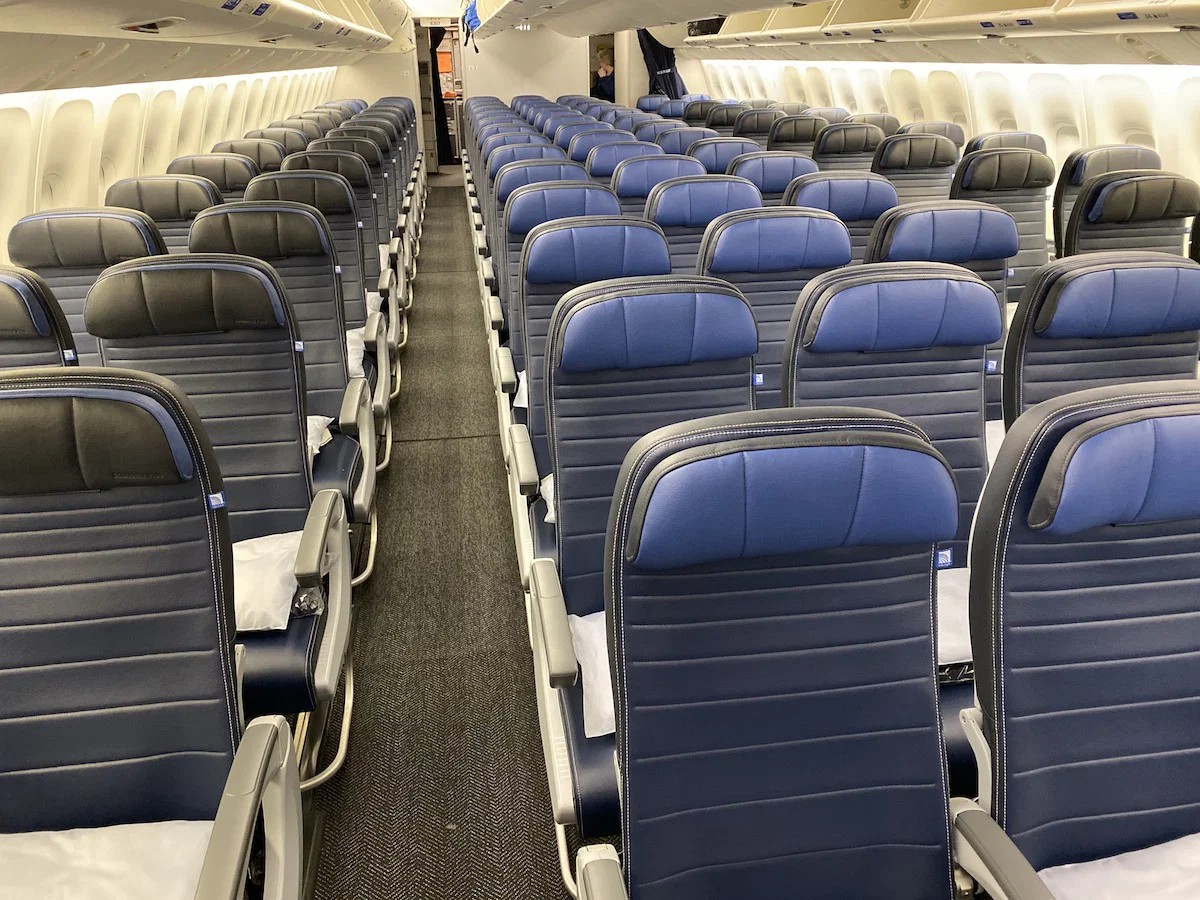
A recent shift in JetBlue’s TrueBlue loyalty program has introduced a significant new cost for travelers looking to redeem points for United Airlines flights. While the partnership between the two carriers—known as “Blue Sky”—was intended to expand travel options, new carrier-imposed surcharges are making international award bookings considerably more expensive.
The Impact on Travelers
The new fees primarily affect international long-haul flights. While domestic redemptions remain largely unaffected, travelers booking international routes via United using JetBlue points will now face substantial out-of-pocket costs.
To illustrate the scale of these changes, consider these examples of one-way economy award redemptions:
- Newark (EWR) to London (LHR): Previously costing roughly $5.60 in taxes, this redemption will now incur a surcharge of approximately $265.60.
- San Francisco (SFO) to Hong Kong (HKG): Previously costing roughly $5.60, this route will now require an additional $205.60.
These surcharges are added on top of standard government-imposed taxes and fees, significantly increasing the “cash” component of a points-based booking.
Why This Matters: The “Loyalty Math”
At first glance, this may seem like a minor adjustment for a niche group of travelers. However, the underlying mechanics of how airlines handle these fees suggest a deeper shift in the industry.
When an airline passes on a “carrier-imposed surcharge” during a partner redemption, that money often doesn’t go directly to the airline operating the plane. Instead, these fees are frequently used as a tool in the complex financial settlements and reimbursements between partner airlines.
This development raises several critical questions regarding the future of airline partnerships:
- Is United exerting more control? United Airlines has been aggressively working to protect the value and margins of its MileagePlus program. By making partner redemptions more expensive, they may be nudging travelers to stay within the United ecosystem.
- Is this a push for higher reimbursements? There is a possibility that United is demanding higher compensation from partners like JetBlue when those partners use United’s metal for award travel.
- Is it a strategy to prevent “arbitrage”? Airlines often try to prevent travelers from finding “deals” by using one airline’s points to fly on another’s planes at a lower cost. Increasing surcharges effectively closes these loopholes.
A Potential Industry Trend
The timing of this move is notable. The Blue Sky partnership is still in its relatively early stages, yet JetBlue has already moved to implement these fees.
If this becomes a standard practice, it could signal a broader trend where the “freedom” of airline alliances is curtailed by financial friction. If more airlines begin adding surcharges to United awards, it could fundamentally change the value proposition of partner loyalty programs, making them less attractive compared to flying on the airline whose points you actually hold.
Conclusion
JetBlue’s new surcharges on United international awards represent a significant increase in the cost of points-based travel. While the immediate impact is felt by specific travelers, the move may reflect a larger strategic effort by major carriers to tighten control over their loyalty programs and increase profitability through partner settlements.