The recent escalation of conflict in the Middle East, triggered by U.S.-Israeli military strikes on Iran on February 28th, has once again thrown global travel into chaos. An estimated 5 million passengers were affected as airspace across the region was immediately closed. This crisis arrives exactly six years after the COVID-19 pandemic first grounded international travel, raising serious questions about whether the industry has truly learned from past disruptions.
The Immediate Impact: Airspace Closures and Rebooking Chaos
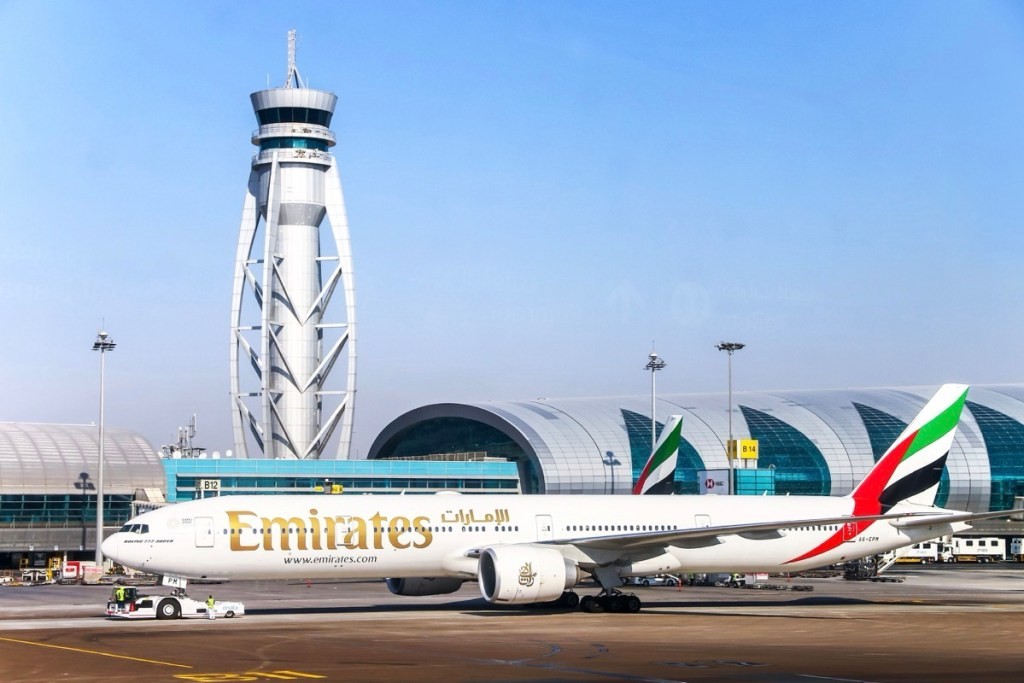
The primary effect of the strikes was the rapid shutdown of airspace in key transit countries, including the UAE. This forced airlines to reroute flights, often adding several hours to journeys and significantly increasing fuel costs. Online Travel Agencies (OTAs) struggled to manage the surge in rebooking requests, with many passengers reporting frustrating delays and automated systems failing to provide adequate solutions.
Industry Preparedness: A Missed Opportunity?
Despite the pandemic exposing vulnerabilities in travel infrastructure, many airlines and booking platforms appear ill-prepared for swift crisis response. Post-pandemic investments, touted as improvements to resilience, have largely failed to deliver in real-time. AI-powered solutions, such as dynamic rerouting and automated customer service, were conspicuously absent in many cases, leaving travelers stranded or facing exorbitant rebooking fees.
The Broader Trend: Middle East Instability and Travel Risk
The Middle East has long been a region prone to sudden geopolitical shifts. This latest event underscores the inherent risk of relying on transit routes through volatile areas. Airlines and passengers alike must recognize that political instability can disrupt even the most well-planned itineraries. The pattern of crisis, disruption, and slow recovery highlights a systemic weakness in the industry’s ability to adapt to rapidly changing conditions.
The current situation serves as a stark reminder that global travel remains vulnerable to unforeseen events. The industry must move beyond reactive measures and invest in proactive risk management strategies, including diversified routing options and robust contingency plans.
The Iranian crisis is not simply a localized event. It’s a symptom of broader instability that the travel sector cannot afford to ignore. Until significant changes are made, passengers will continue to bear the brunt of these disruptions, while airlines scramble to catch up with a world that refuses to stay predictable.