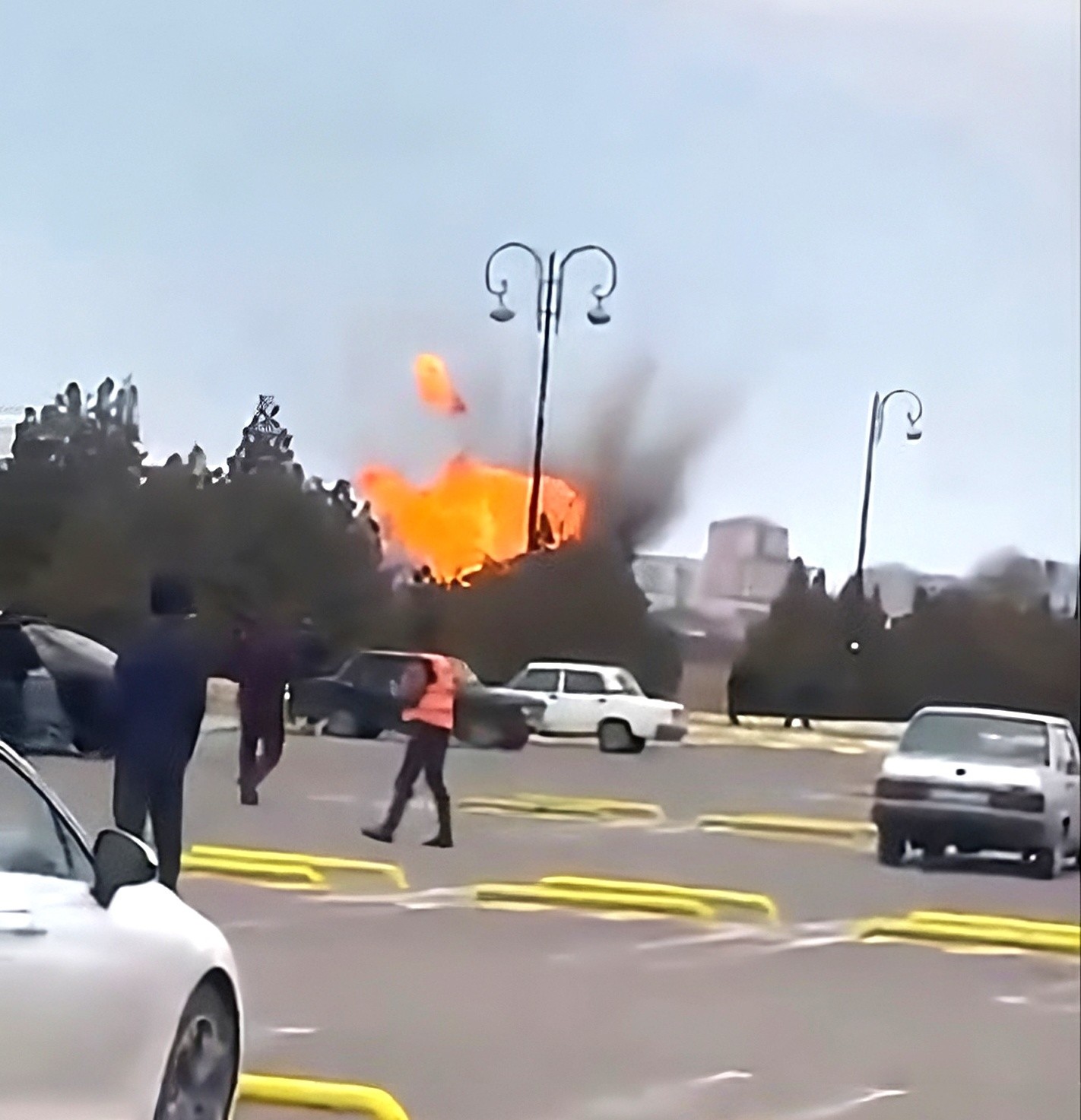
On March 5, 2026, Iranian drones struck Nakhchivan International Airport in Azerbaijan, damaging the terminal building and injuring at least two people. The attack prompted Azerbaijan to suspend flights, close its southern airspace, and mobilize its armed forces, raising the specter of direct military escalation between the two nations.
Attack Details and Immediate Response
Azerbaijan reported that four drones were launched, with one intercepted before reaching its target. The remaining three detonated near the airport terminal and a nearby school. Conflicting reports suggest between two and four individuals were hospitalized with injuries. In response, Azerbaijan temporarily halted all cargo traffic along its border with Iran and issued a warning of potential retaliation.
Iran, predictably, denied responsibility, alleging the attack was a “false flag” operation orchestrated by Israel. This claim aligns with Iran’s established pattern of deflecting blame for regional aggression.
Strategic Implications: Choking European-Asian Travel
The attack on Nakhchivan Airport is not merely a localized incident; it carries far-reaching consequences for international air travel. Nakhchivan serves as one of the few remaining open air corridors between Europe and Asia, particularly since Western carriers no longer utilize Russian airspace following the invasion of Ukraine.
By targeting this critical infrastructure, Iran appears to be intentionally raising the cost of conflict for Western allies. Similar attacks on airports in Dubai and Kuwait City demonstrate a broader strategy of destabilizing key transit hubs, thereby increasing pressure on nations with significant influence over the United States.
Why This Matters: Regional Power Plays
Iran’s actions highlight a calculated effort to exploit geopolitical vulnerabilities. While direct strikes against Israel or U.S. assets may not halt the ongoing conflicts in the region, raising the economic and logistical costs for allies could force concessions. This strategy, however, carries the risk of alienating even former partners like Qatar, which could further isolate Iran.
The deliberate targeting of civilian infrastructure is a clear indicator that Iran’s objectives extend beyond simple territorial disputes. It’s a high-stakes gamble designed to reshape regional power dynamics and extract leverage from adversaries.
The situation remains volatile, with Azerbaijan’s military fully mobilized and the potential for further escalation looming large. The disruption of this vital air corridor serves as a stark reminder of the fragility of international transit routes in a rapidly destabilizing geopolitical landscape.