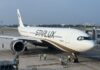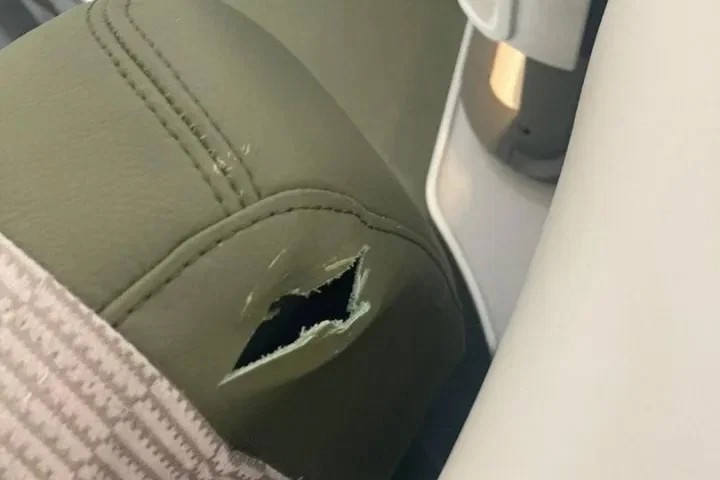
Recent reports from Ivorian media allege that an Air Côte d’Ivoire Airbus A330-900neo was vandalized while parked overnight at Paris Charles de Gaulle Airport. The incident, described as a deliberate act of sabotage, has sparked debate about potential motives, including escalating trade tensions between France and Côte d’Ivoire over airline traffic rights.
The Alleged Incident and Context
Air Côte d’Ivoire recently added two Airbus A330-900neos to its fleet, primarily operating routes between Abidjan and Paris. The airline’s financial performance on these routes has reportedly been weak, leading some to question whether prestige rather than profit drives these flights. The alleged vandalism occurred as the aircraft prepared for departure, with initial reports suggesting intentional damage.
The incident coincides with Côte d’Ivoire’s consideration of restricting traffic rights for French carriers, a move that could protect Air Côte d’Ivoire from competition but also limit consumer options. This policy shift has raised tensions, with some suggesting that the alleged sabotage could be retaliation from French interests.
Discrepancies in Reporting
However, key details in the initial reporting raise serious doubts. Claims that the aircraft was immediately grounded are demonstrably false, as flight records show the plane continued operations as scheduled on March 26th and 27th. The primary evidence presented consists of a single photograph of a torn seat – hardly conclusive proof of widespread vandalism.
The narrative also frames the incident as a blow to Ivorian “air sovereignty,” suggesting the act was intended to hinder the airline’s expansion and image. This framing appears designed to reinforce the idea that the sabotage was politically motivated, rather than a random act of vandalism.
Why This Matters
The incident highlights the broader implications of escalating trade disputes and the potential for retaliatory measures. If Côte d’Ivoire restricts traffic rights for French airlines, it risks triggering reciprocal action, further damaging commercial relations. The timing of the alleged vandalism, combined with the weak evidence, raises questions about whether the incident was exaggerated or fabricated to justify stronger protective measures.
Conclusion
While any form of aircraft sabotage is unacceptable, the inconsistencies in the reported details and limited evidence cast doubt on the narrative. The incident raises concerns about the potential for politically motivated actions in trade disputes, but without stronger corroboration, the claims remain highly questionable.