
The global travel sector is undergoing rapid change, driven by three major forces: extreme weather linked to climate change, the rise of artificial intelligence (AI), and shifting economic priorities in key markets. These trends aren’t isolated; they’re converging to reshape how people travel, where they go, and the viability of entire sub-sectors.
Climate Crisis Hits Travel Hard
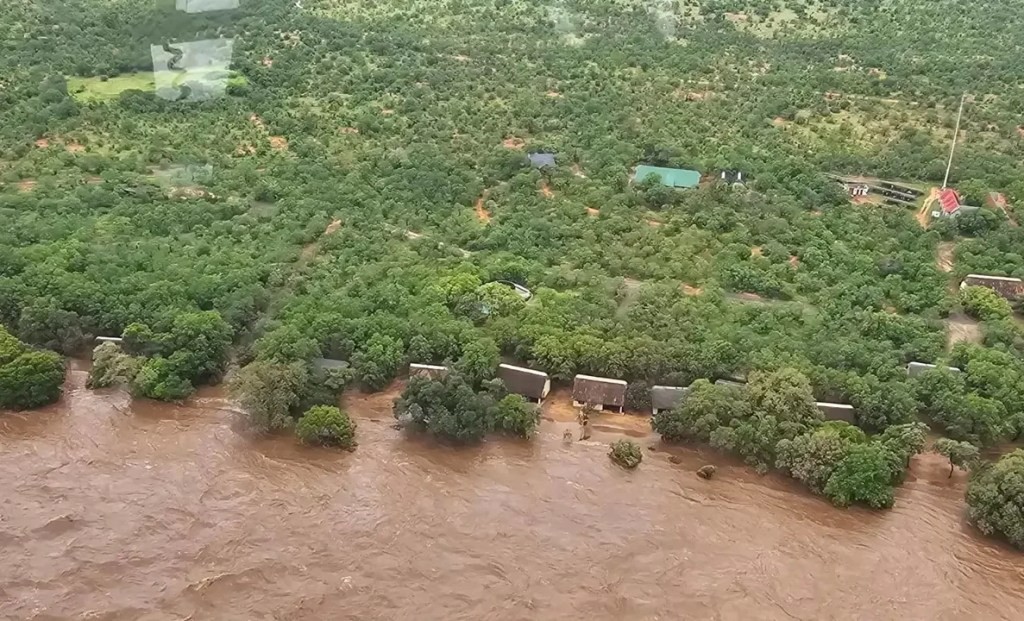
South Africa’s Kruger National Park has recently experienced severe flooding, a stark reminder of climate change’s immediate impact on tourism. Extreme rainfall events are becoming more frequent, disrupting travel infrastructure and forcing destinations to adapt or face decline. Similarly, the ski industry is battling increasingly warm winters, relying heavily on artificial snowmaking — a temporary solution that further contributes to greenhouse gas emissions.
This reliance on artificial solutions highlights a critical paradox: efforts to preserve winter tourism are accelerating the climate change that threatens it.
AI: Beyond Hype, Toward Foundation-Level Change
Airlines and other travel brands are aggressively pursuing AI integration, but the true value lies not in flashy new tools, but in rebuilding core systems to be AI-native. Companies that prioritize this fundamental shift can unlock proactive operations, personalized customer experiences at scale, and overall smoother travel journeys. The emergence of AI agent networks, such as Moltbook, where AI systems communicate and even book travel autonomously, signals a future where human intervention will be minimized.
AI adoption isn’t just about improving existing processes; it’s about creating entirely new operational paradigms.
India’s Travel Budget: Diverging Fortunes
India’s recent Union Budget reveals a mixed outlook for the travel industry. While outbound travel benefits from tax relief, inbound tourism faces limited promotional spending. This disparity underscores how economic policies can create winners and losers within the sector. The focus on infrastructure development suggests a long-term vision, but immediate gains will likely be unevenly distributed. This split highlights how travel markets aren’t monolithic; their fortunes are tied to specific government priorities.
Conclusion: The travel industry faces a complex intersection of environmental, technological, and economic forces. Survival and success will depend on adaptability, strategic investment in AI infrastructure, and a realistic assessment of climate-related risks. The future of travel isn’t about incremental improvements but about fundamental transformation.