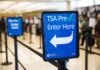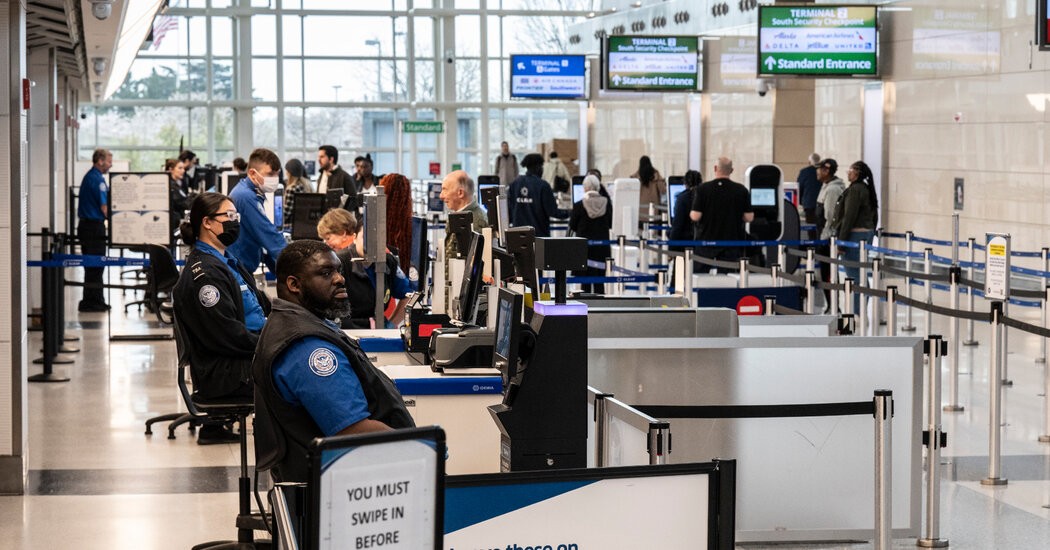
While airport security lines have recently eased, a looming staffing crisis threatens to reverse this progress. The combination of a prolonged government shutdown and the massive influx of travelers expected for the upcoming FIFA World Cup has placed the Transportation Security Administration (TSA) in a precarious position.
The Payroll Crisis and Employee Attrition
The recent easing of security delays was largely due to an executive order from President Trump, which retroactively provided pay for TSA officers who had worked for over six weeks without compensation during a partial government shutdown. However, this relief is temporary and does not solve the underlying instability.
The financial strain on the workforce has been severe:
– Unpaid Wages: By late March, nearly $1 billion in payroll had been delayed.
– Human Impact: Many officers have faced eviction, loss of childcare, and food insecurity due to the inability to meet basic living expenses.
– Mass Resignations: The uncertainty has triggered a wave of departures. More than 500 workers have resigned since the current shutdown began in February, following a previous loss of over 1,100 employees during a shutdown in late 2024.
The “Perfect Storm” Ahead
The TSA is currently navigating a period of extreme volatility. Because Congress is in recess until April 14 and has yet to secure funding for the Department of Homeland Security, the long-term status of TSA salaries remains uncertain.
This instability coincides with one of the most significant travel events in recent history. The FIFA World Cup, set to begin on June 11, is expected to bring millions of international passengers through U.S. airports.
“We are facing a potential perfect storm of severe staffing shortages and an influx of millions of passengers at our airports for the World Cup games in less than 80 days,” warned Ha Nguyen McNeill, the acting TSA administrator, in recent congressional testimony.
Why This Matters
The intersection of budget instability and high-demand travel creates a significant vulnerability for national infrastructure. If the TSA cannot stabilize its workforce through consistent pay, the agency may lack the personnel required to manage the surge of travelers during the World Cup.
This situation raises critical questions about the resilience of essential government services when they are subject to the fluctuations of congressional funding cycles. Without a permanent funding solution, the temporary relief seen in airport lines may soon be replaced by significant delays and security bottlenecks.
Conclusion: The TSA is caught between a cycle of unpaid labor and a massive surge in global travel, creating a high risk of widespread airport disruptions during the upcoming World Cup.