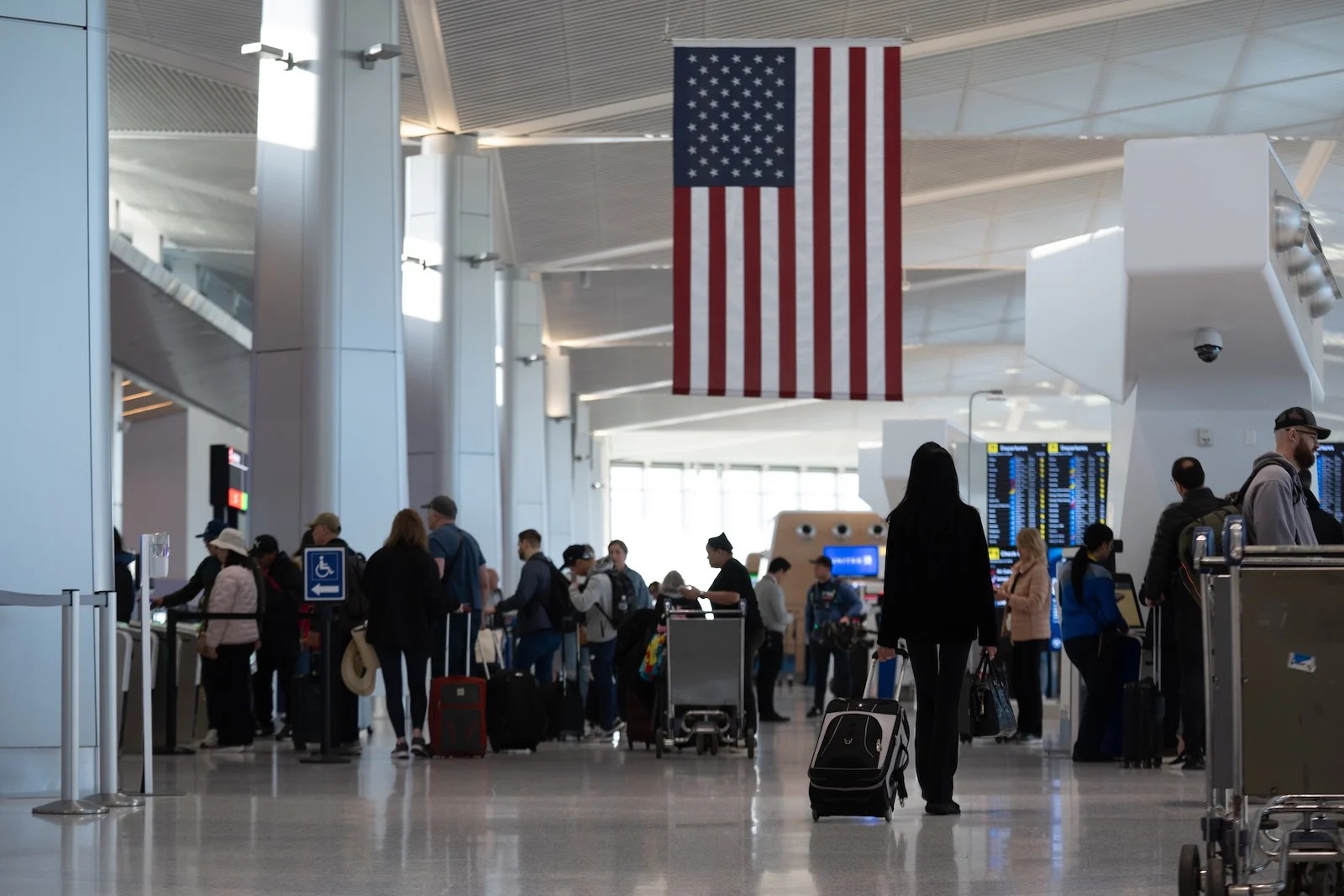
The Trump administration is deploying U.S. Immigration and Customs Enforcement (ICE) officers to airports nationwide starting Monday, in an effort to alleviate growing security checkpoint delays caused by the ongoing partial government shutdown. The move, announced Sunday by Border Czar Tom Homan, represents a controversial attempt to backstop the Transportation Security Administration (TSA) as the funding stalemate persists.
Shutdown-Induced TSA Strain
The decision stems from escalating disruptions at TSA checkpoints over the past five weeks. The shutdown, which began February 14th, has forced TSA officers to work without pay, leading to increased call-outs, resignations, and dramatically longer wait times for travelers. The Department of Homeland Security (DHS), which oversees both TSA and ICE, remains at the center of the funding dispute in Washington.
The situation is critical because the lack of funding directly impacts security personnel: without pay, morale and staffing levels drop, making it harder to maintain effective screening processes.
ICE Deployment Details
ICE agents will primarily focus on logistical support roles traditionally handled by TSA officers, rather than direct passenger or baggage screening. Homan specifically mentioned deploying agents to monitor secure terminal exits, freeing up TSA staff for more critical screening duties.
“I don’t see an ICE agent looking at an X-ray machine, because they’re not trained in that.” – Tom Homan
The exact number of ICE officers being deployed and which airports will be prioritized remain unclear, though those experiencing the longest lines are expected to receive initial assistance.
Reactions from the Travel Sector
The announcement has drawn immediate criticism from labor unions and some skepticism from the travel industry. The American Federation of Government Employees (AFGE) argued that ICE agents lack the necessary training in aviation security.
“ICE agents are not trained or certified in aviation security… Putting untrained personnel at security checkpoints does not fill a gap. It creates one.” – Everett Kelley, AFGE President
The Association of Flight Attendants echoed this sentiment, urging Congress to fully fund TSA rather than relying on untrained personnel.
Airlines for America, the airline industry’s lobbying group, has not yet issued a public statement on the matter. Seattle-Tacoma International Airport (SEA) acknowledged awareness of the plan and stated it is monitoring the situation in coordination with federal partners.
Why This Matters
The deployment of ICE agents highlights the severity of the shutdown’s impact on critical infrastructure. While intended as a temporary solution, it raises questions about long-term security protocols and the reliance on agencies not specifically trained in aviation security.
The move underscores the urgent need for a political resolution to the funding impasse, as continued disruptions pose a growing threat to both travel safety and economic stability.
The situation remains fluid, and further updates are expected as the ICE deployment unfolds.