U.S. air travelers are facing escalating disruptions, with record passenger numbers colliding with severe operational issues. Long security lines, surging ticket prices, and a recent runway collision at LaGuardia Airport are converging to create a highly stressful experience for millions. The situation is particularly acute during a peak travel period, leaving passengers questioning whether the hassle is worth it.
Perfect Storm of Disruption
According to travel expert Sally French of NerdWallet, the current state represents a “perfect storm” of travel disruption. This is reminiscent of the uncertainties that grounded passengers during the peak of the Covid-19 pandemic. Airlines are forecasting over 170 million passengers between March and April—a new record—while the Transportation Security Administration (TSA) grapples with an unprecedented crisis.
TSA Shutdown Impact
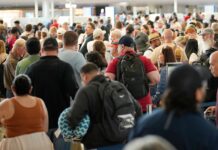
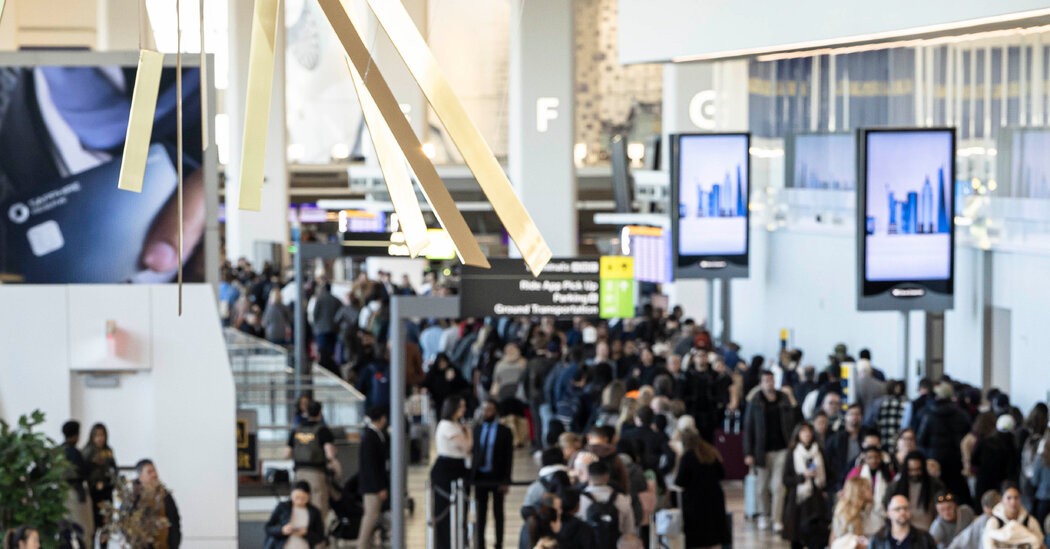
The ongoing five-week partial government shutdown has left TSA officers working without pay, leading to record-high sick-out rates and over 450 resignations. This staffing shortage has caused erratic wait times at security checkpoints, with travelers reporting missed flights and overnight stays in airports due to delays. The situation is not isolated: Passengers nationwide are considering canceling trips due to the instability.
Broader Systemic Issues
Geoff Freeman, CEO of the U.S. Travel Association, called the dysfunction “unsustainable,” directly linking it to government instability. His warning suggests that these disruptions could lead to a long-term pullback in travel spending, with economic consequences beyond inconvenience.
The core issue is a breakdown in systemic stability. A combination of high demand, staffing shortages, and political gridlock has created a situation where air travel is becoming increasingly unreliable.
The runway collision at LaGuardia Airport adds another layer of concern, reigniting scrutiny of U.S. air traffic control safety.
The convergence of these factors points to a deeper problem: The U.S. air travel system is strained to the breaking point. Without immediate resolution to the shutdown and improvements in staffing and infrastructure, further disruptions are likely inevitable.