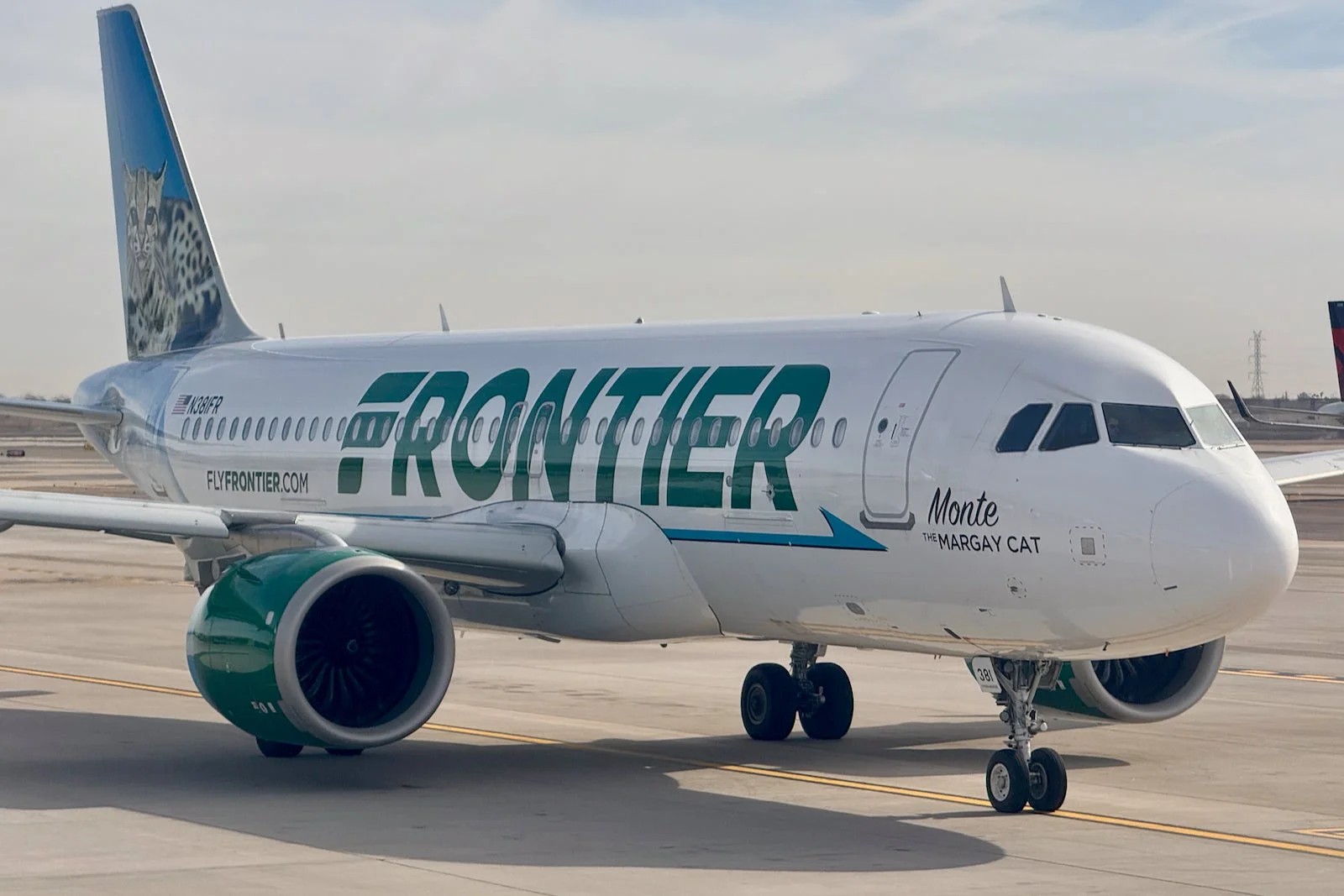

Frontier Airlines is restructuring its route network and slowing growth to achieve sustainable profitability, a move reflecting wider challenges in the budget airline sector. The Denver-based carrier will exit ten cities by mid-2026, while reducing fleet expansion to roughly 10% annually through the end of the decade.
Route Cuts and Market Realities
The airline will discontinue service at the following airports:
- Patrick Leahy Burlington International Airport (BTV) in Vermont (service ended November 2025)
- Charleston International Airport (CHS) – ending May 2026
- Green Bay Austin Straubel International Airport (GRB) in Wisconsin (service ended August 2025)
- Harrisburg International Airport (MDT) in Pennsylvania – ending April 2026
- Missoula Montana Airport (MSO) (service ended December 2025)
- Portland International Jetport (PWM) in Maine (service ended August 2025)
- Savannah/Hilton Head International Airport (SAV) (service ended October 2025)
- Cyril E. King Airport (STT) on St. Thomas, U.S. Virgin Islands (service ended August 2025)
- Henry E. Rohlsen Airport (STX) on St. Croix, U.S. Virgin Islands (service ended August 2025)
- Tulsa International Airport (TUL) – ending May 2026
A Frontier spokesperson attributed these exits to “demand and broader market dynamics.” This indicates that the airline has reassessed which routes deliver sufficient revenue to justify continued operation. Budget airlines, which rely heavily on leisure travelers, have struggled post-pandemic as operational costs rose more quickly than revenues.
Financial Performance and Fleet Adjustment
Frontier reported a net loss of $137 million in 2025 and is taking steps to reduce expenses. The airline will return 24 Airbus A320neos to AerCap, shrinking its fleet to 152 aircraft. Instead of expanding, Frontier plans to maximize the utilization of its remaining planes to hit its 10% growth target.
Furthermore, the airline has delayed deliveries of 69 new A320neos originally scheduled for the next three years, pushing them to 2030 or later. This decision highlights a cautious approach to capacity expansion amid economic uncertainty.
Industry-Wide Challenges
Frontier’s restructuring mirrors difficulties faced by other low-cost carriers. Spirit Airlines, a major competitor, has filed for Chapter 11 bankruptcy twice in recent years. The industry’s ability to maintain low fares while managing rising costs remains a critical question.
CEO Jimmy Dempsey stated the airline is “laser focused on returning Frontier to profitability” through fleet optimization, cost control, improved reliability, and customer loyalty programs.
The airline industry is undergoing a period of recalibration, where sustained growth requires strict financial discipline. Frontier’s move reflects a broader trend toward consolidation and a focus on core routes rather than aggressive expansion.