


The Federal Aviation Administration (FAA) is stepping in to limit flight schedules at Chicago O’Hare International Airport (ORD) after airlines aggressively ramped up operations this summer, pushing the airport’s capacity to its breaking point. The regulator issued a notice Tuesday signaling that daily flights will be capped to avoid widespread delays, cancellations, and passenger disruptions.
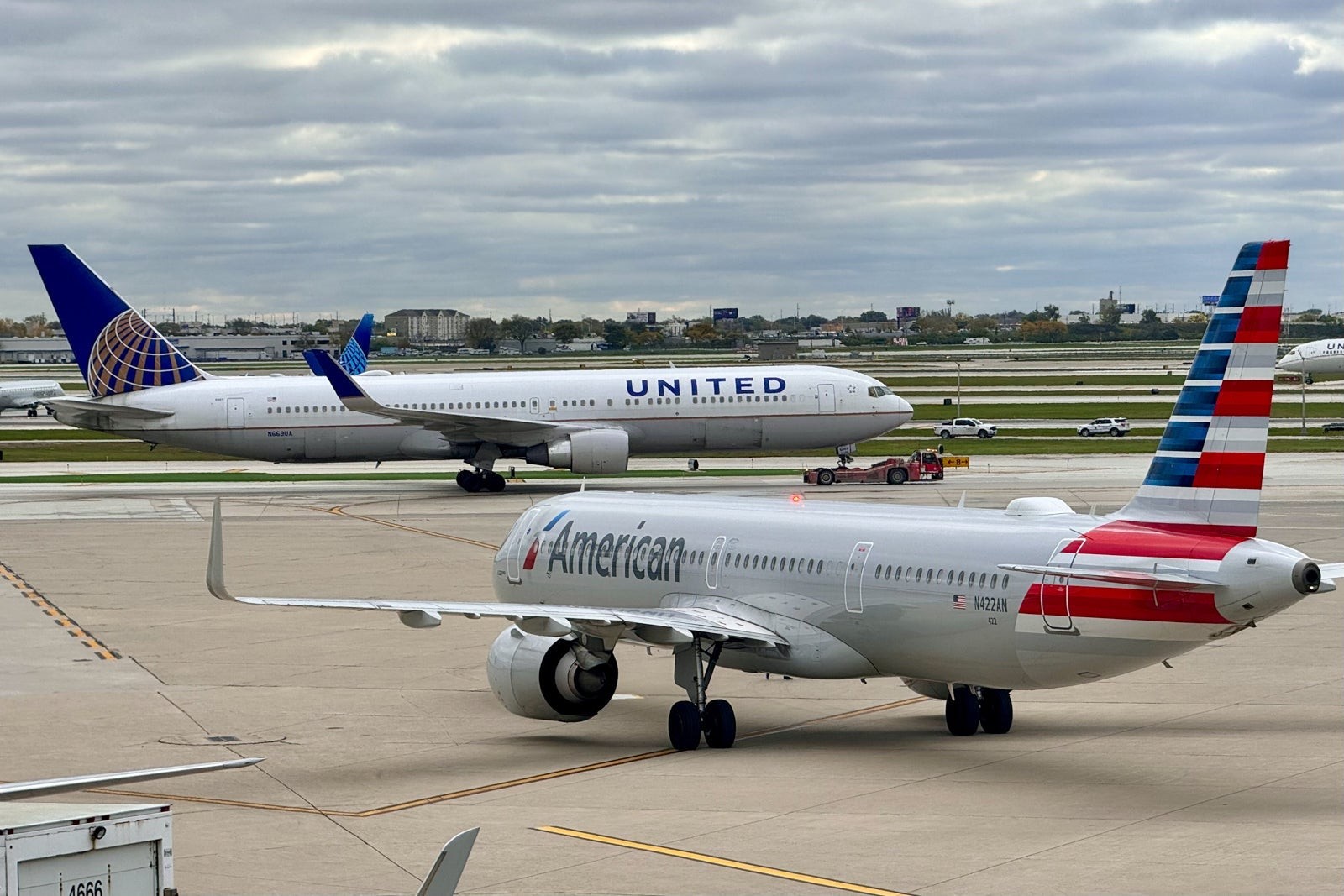
The core problem? American Airlines and United Airlines have been locked in a battle for dominance at O’Hare, inflating schedules beyond the airport’s ability to handle them efficiently. The airlines have been fighting for gate access under a 2018 agreement designed to encourage competition, but the result has been overbooked runways instead.
This isn’t a sudden issue. The current conflict stems from a gate allocation system where airlines must actively use their assigned space or risk losing it. After a pause during the COVID-19 pandemic, this “use-it-or-lose-it” formula triggered a shift in gate ownership, with United gaining ground as American ceded some space.
However, the tension escalated this year when American signaled it would regain gates in 2026. United CEO Scott Kirby responded by vowing to maintain its position, even if it meant adding flights solely to preserve its gate count. This led to a rapid expansion of routes from both carriers, with American launching services to smaller regional airports and United matching with its own additions.
According to internal memos, American executives accused United of deliberately overscheduling to undermine O’Hare’s dual-hub status. The airline claims United is attempting to force American out of Chicago—a rivalry that dates back decades to the early days of airline hub-and-spoke networks.
The FAA intervened after schedules soared to over 3,080 daily operations on peak days, exceeding the airport’s sustainable capacity. Administrator Bryan Bedford is now leading discussions with airlines in Washington, D.C., to enforce a cap of 2,800 flights per day.
The exact method for reducing schedules remains unclear. The FAA could base cuts on current flight shares (United at nearly 51% and American at 37%), but historical data shows slightly different percentages. Analysts predict that airlines will likely trim regional flights or consolidate frequencies onto larger planes, similar to how the FAA addressed capacity issues at Newark Liberty International Airport last year.
Ultimately, the FAA’s action underscores that airlines’ competitive strategies sometimes clash with operational reality. This situation highlights how a well-intentioned system for promoting competition can backfire if carriers prioritize gate control over customer experience.
The long-term outcome is uncertain, but industry observers believe neither airline will fully retreat from O’Hare. Instead, they anticipate a renewed truce, as the airport is too strategically important for either carrier to abandon.


