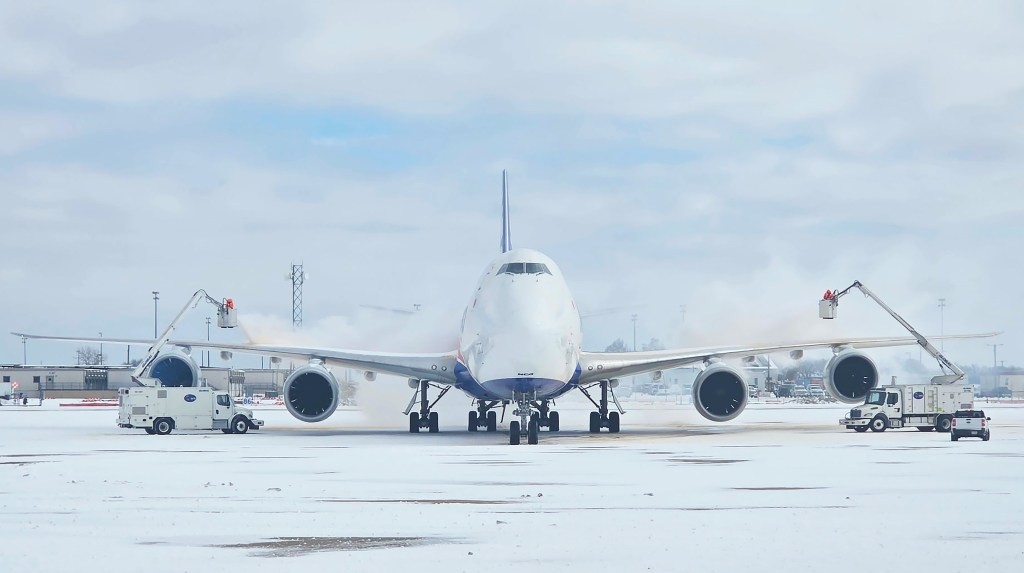
Severe weather is rapidly becoming the primary concern for American travelers, as demonstrated by the recent chaos caused by widespread storms. A major system that led to over 20,000 flight cancellations is still being felt across the country, with another significant storm, Winter Storm Gianna, now forming off the southeastern coast.
Worsening Travel Disruptions
This disruption isn’t an isolated incident; it reflects a clear trend: extreme weather is increasingly destabilizing travel plans nationwide. Last Sunday alone saw over 14,500 flights canceled, making it the most disruptive day for U.S. air travel since the peak of the COVID-19 pandemic. Aviation data firms Cirium and Flightaware confirm this unprecedented level of disruption.
The Scale of the Problem
According to Josh Weiss of the National Oceanic and Atmospheric Administration (NOAA), the recent storm was unusual in its size, spanning over 2,000 miles and delivering prolonged, extreme cold. Over half a million people lost power due to the storm, compounding the travel chaos.
The increasing frequency of these events raises questions about infrastructure readiness and the long-term impact on travel accessibility.
Why This Matters
The shift in weather patterns isn’t just about inconvenience; it’s about economic consequences, supply chain disruptions, and the safety of travelers. As climate change drives more frequent and intense storms, the travel industry, and passengers, must adapt.
The growing severity of these events suggests that extreme weather will remain a dominant factor in U.S. travel for the foreseeable future, forcing both airlines and travelers to prepare for increased volatility.