A recent traveler’s experience at Lisbon’s Humberto Delgado Airport (LIS) highlights a frustrating gap in passenger rights: What happens when you do everything right, but still miss your flight due to circumstances beyond your control?
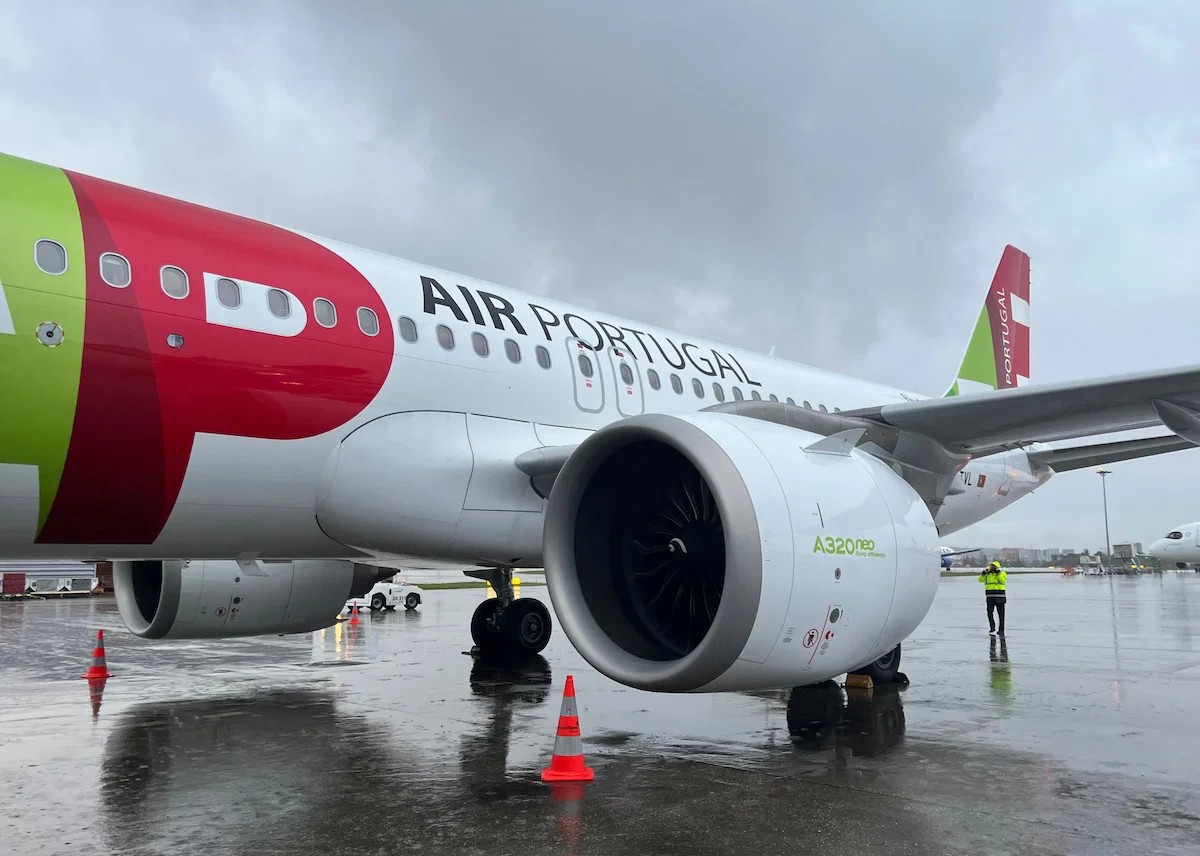
A passenger flying Business Class with TAP Air Portugal arrived at the airport two hours before departure—a standard recommendation for international travel. With no checked luggage and boarding passes already in hand, they proceeded directly to passport control. However, what was advertised as a 28-minute wait spiraled into a two-hour ordeal.
Despite attempting to alert airport staff of their approaching departure, the traveler—along with several other passengers—was unable to clear immigration before the gate closed.
The Cost of “Uncontrollable” Delays
The fallout from this delay was both unexpected and expensive. Rather than being rebooked on the next available flight, the passenger was informed by TAP staff that they would need to purchase a completely new ticket to reach their destination.
This situation reveals a significant friction point in the European aviation landscape:
- The Accountability Gap: Under EU regulations (such as EC 261), airlines are generally not held liable for delays caused by third-party entities like airport security or immigration services. Because these delays are “outside the carrier’s control,” the airline is not legally required to provide compensation.
- Punitive Rebooking Policies: Unlike many U.S. carriers, which often place missed passengers on a standby list for the next available flight as a gesture of customer service, many European airlines adhere strictly to their “Contract of Carriage.” This often means a missed flight results in a forfeited ticket and the requirement to buy a new one at current market rates.
- The Hub Paradox: There is an inherent ethical tension when an airline’s primary hub suffers from systemic infrastructure failures (like massive immigration queues), yet the airline remains unequipped—and unwilling—to assist the passengers caught in the crossfire.
Is There Any Recourse?
For the traveler in question, there was no immediate legal remedy. The ticket agent’s response—that the passenger should have arrived earlier—ignored the fact that a two-hour window is widely considered sufficient for modern air travel.
This incident raises several critical questions for the industry:
1. Should airlines have a duty to monitor hub congestion? If an airport is experiencing abnormal queues, should airlines be required to warn passengers or adjust boarding times?
2. Is the “all-or-nothing” ticket policy fair? When a group of passengers is collectively delayed by airport infrastructure, a rigid adherence to contract terms can feel more like a penalty than a service.
“Airlines are rarely generous beyond their published contract of carriage. In these cases, passengers are often left navigating a system designed to protect the carrier, not the traveler.”
Summary
While travelers are advised to buffer their arrival times, the Lisbon incident demonstrates that even “reasonable” preparation can fail due to airport mismanagement. Because security and immigration are handled by government entities, airlines can legally distance themselves from the consequences, leaving passengers to bear the full financial burden of the delay.