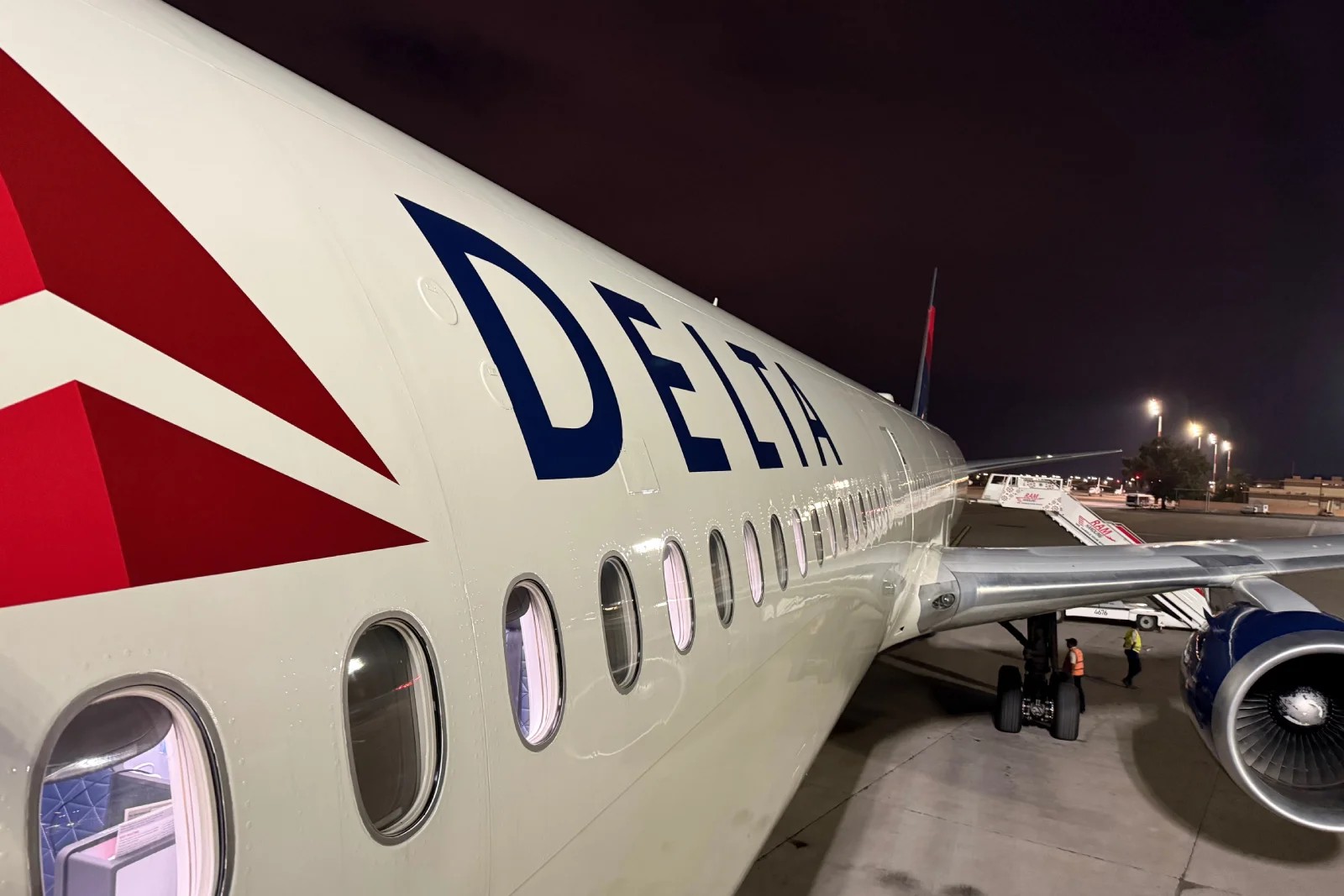
Delta Air Lines has announced an increase in its checked baggage fees, marking the latest move in a broader trend among major U.S. carriers to offset rising operational expenses. Starting Wednesday, April 8, most passengers will see a significant jump in the cost of checking luggage.
The New Pricing Structure
The fee for the first checked bag will rise from $35 to $45, representing a nearly 28% increase. Delta has also adjusted the costs for additional luggage:
- Second checked bag: Increasing from $45 to $55.
- Third checked bag: Increasing from $150 to $200.
It is important to note that these increases do not apply to all travelers. Passengers holding Medallion elite status in the Delta SkyMiles program, as well as those using eligible Delta-American Express co-branded credit cards, will continue to receive their existing baggage benefits without charge. Additionally, Delta has opted to keep fees for long-haul international flights unchanged for the time being.
Why Costs Are Climbing
This price hike is not an isolated incident but rather a response to a volatile economic landscape in the aviation sector. Several factors are driving these changes:
- Surging Fuel Costs: Ongoing geopolitical tensions, particularly in the Middle East, have contributed to skyrocketing jet fuel prices.
- Industry Dynamics: As airlines face higher overhead, they are increasingly looking to “ancillary revenue”—fees for add-ons like bags and seat selection—to protect profit margins.
- The Domino Effect: Aviation follows a predictable pattern where fee adjustments by one major player trigger a chain reaction. Delta joins United Airlines and JetBlue, both of which recently implemented similar hikes.
“These updates are part of Delta’s ongoing review of pricing across its business and reflect the impact of evolving global conditions and industry dynamics,” a Delta spokesperson stated.
What This Means for Travelers
The trend suggests that the era of low-cost add-ons may be shifting. As airlines move to pass fuel and operational costs directly to the consumer, travelers can expect higher total costs per trip, even if the base ticket price appears competitive.
Given that Delta’s competitors have already moved in this direction, it is highly probable that other U.S. carriers will follow suit to remain competitive in their revenue models.
Conclusion
Delta’s fee increase reflects a broader industry strategy to mitigate rising fuel and operational costs by passing them on to passengers. Travelers should prepare for higher total travel expenses as airlines continue to adjust their pricing models in response to global economic shifts.