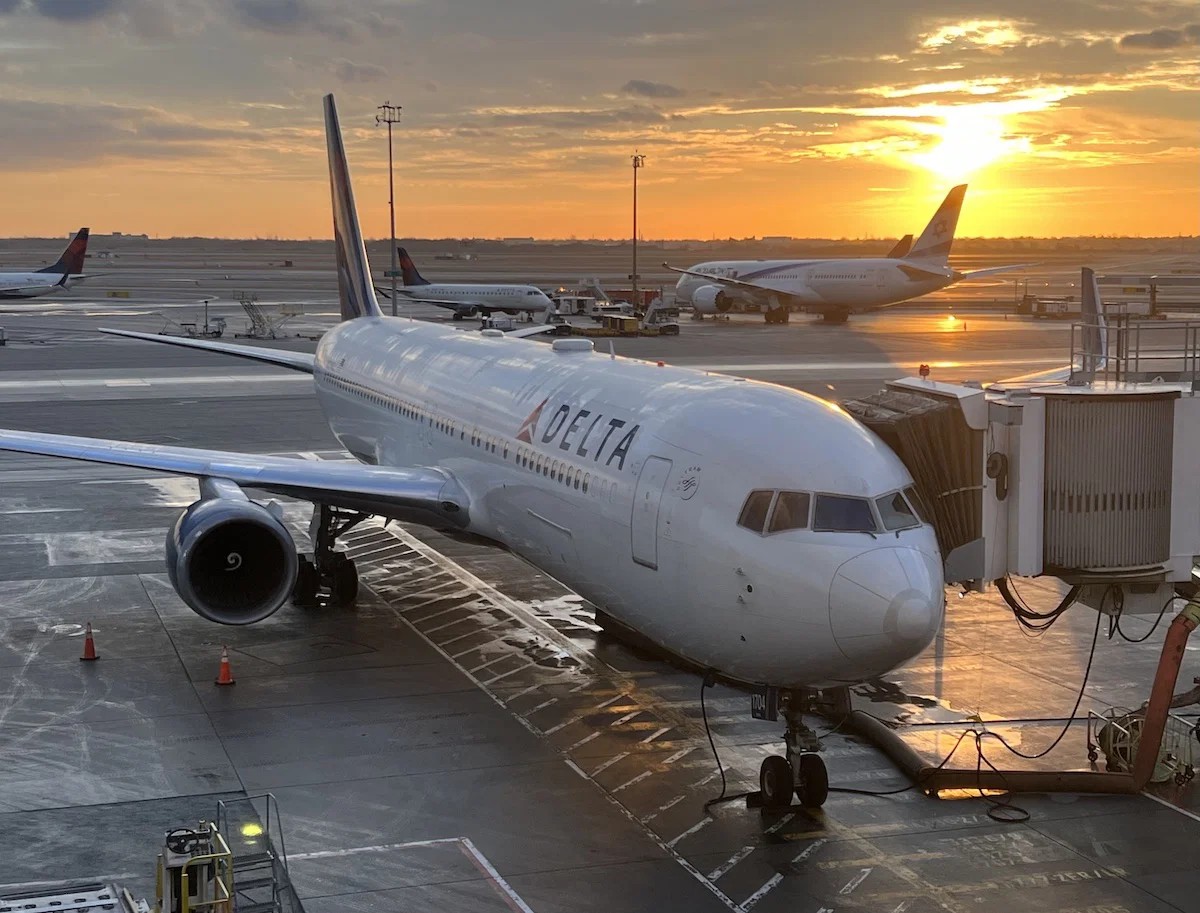
Delta Air Lines CEO Ed Bastian recently faced scrutiny following comments regarding the future of ticket pricing. During a Q1 2026 earnings call, Bastian suggested that even if fuel costs decrease, the airline intends to maintain its current “pricing strength.” While this sentiment has drawn criticism from travelers, it highlights a fundamental reality of the aviation industry’s economic model.
The Fuel Price Paradox
During the earnings call, analysts questioned whether a significant drop in oil prices would lead to lower fares or provide Delta with an opportunity to increase profit margins. Bastian’s response was pragmatic rather than consumer-friendly. He noted that while the airline hopes fuel prices stabilize, they are likely to settle at a higher level than originally planned.
More importantly, Bastian emphasized the importance of “fuel recapture” and retaining the pricing power the industry has gained through “industry rationalization.”
“The degree to which we can retain any of the pricing strength… will certainly help us boost our margins this year and clearly into next year as well.”
In industry terms, “rationalization” often refers to consolidation—the merging of airlines or the reduction of competing services. For major carriers like Delta, a less crowded market with fewer competitors typically allows them to maintain higher ticket prices.
The Real Drivers of Airline Economics
To understand why Bastian’s comments aren’t as scandalous as they seem, one must look past the cost of a single seat. The common assumption is that ticket prices should fluctuate in direct correlation with fuel costs. However, airline pricing is driven by several complex factors:
1. Capacity vs. Demand
The most significant driver of fare prices is capacity —the total number of seats available across the industry. When there are too many planes and not enough passengers (overcapacity), prices plummet. To combat this, airlines often reduce their flight schedules or park aircraft to limit supply, which naturally drives prices back up.
2. The Profitability Gap
Contrary to popular belief, many individual airline tickets are sold at a loss or with razor-thin margins. In the United States, the business model has shifted significantly:
– Loyalty Programs: A massive portion of airline profits now comes from selling miles and credit card partnerships rather than the flight itself.
– High-Yield Passengers: Airlines rely on a small percentage of travelers—typically business class passengers paying premium rates—to subsidize the lower-cost economy seats.
3. The Struggle for Survival
The industry remains incredibly volatile. Smaller or mid-sized carriers often struggle to remain profitable because the cost of operating (labor, maintenance, and fuel) is high, while the competitive pressure to keep fares low is constant. For many airlines, higher fares are not a choice of “greed,” but a necessity for basic solvency.
Summary of the Current Landscape
The recent rise in airfares is not a result of “price gouging” in a vacuum, but rather a strategic response to reduced capacity and the need to stabilize margins in a high-cost environment.
Conclusion
Delta’s leadership is prioritizing margin protection and pricing stability over passing fuel savings to consumers. This reflects a broader industry trend where airlines rely on controlled capacity and loyalty revenue to navigate an inherently difficult and expensive business model.