


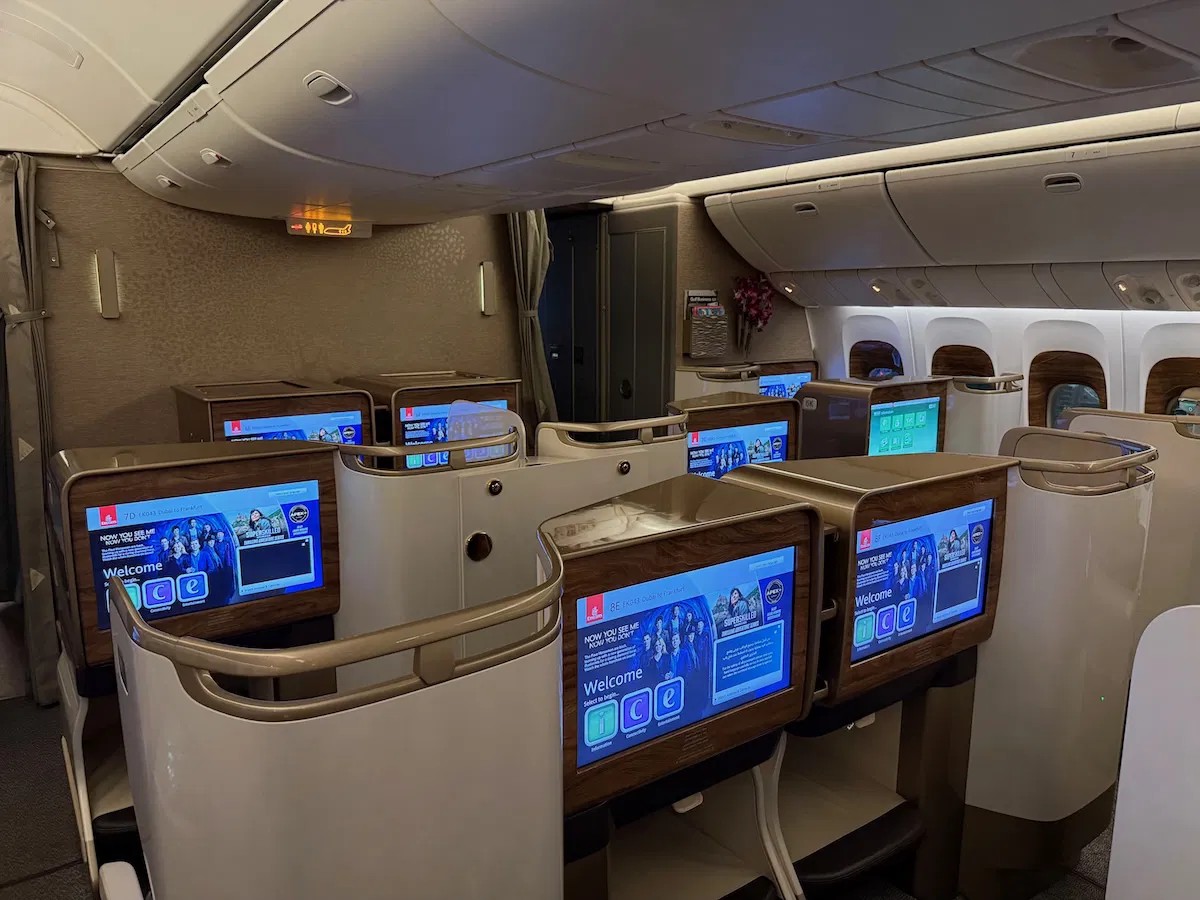
The Middle East is currently a region of heightened instability, impacting air travel. While Gulf airlines like Emirates, Etihad, and Qatar Airways have historically been reliable, recent events necessitate careful consideration for those with upcoming bookings. This article provides a practical framework for travelers facing uncertainty, covering immediate steps and long-term planning.
Current Waivers and Airline Policies
As of now, Emirates and Etihad offer waivers through April 15, 2026, while Qatar Airways extends waivers through March 28, 2026. These allow for ticket changes and refunds in case of cancellations. However, these policies are subject to change, and the conflict’s duration remains unpredictable.
Assessing Risk: Safety vs. Disruption
Travelers must balance safety concerns with the increasing likelihood of disruptions. The Gulf region remains relatively safe, but the potential for flight cancellations, schedule changes, and strained customer service is high.
For those with near-term travel, a “wait-and-see” approach may be unavoidable if waivers expire. However, proactive rerouting is advisable if flexibility allows.
For future bookings, avoiding Gulf carriers altogether is the most reliable strategy. The conflict’s timeline is uncertain, and even if service resumes, disruptions are likely to persist.
Booking Channels and Award Tickets
- Direct Bookings: Booking directly with the airline or through a specialized travel advisor is preferable, as it streamlines reaccommodation processes. Third-party bookings introduce unnecessary complications.
- Award Tickets: Reaccommodation on award tickets can be challenging. Airlines may not prioritize these during irregular operations, and EC261 protections (applicable in some markets) are not always enforced.
Proactive Measures and Backup Plans
If you have an existing ticket outside of the waiver period, you may be stuck waiting. Consider booking a backup award ticket on another airline that can be easily canceled as insurance. This provides flexibility without significant financial risk.
Long-Term Outlook: Pessimism and Realism
The situation is unlikely to normalize quickly. Demand patterns will shift, customer service will be overwhelmed, and schedule changes will be frequent. Booking Gulf carriers for travel in the coming months is a gamble.
“If you actually want to reliably get to your destination, I wouldn’t be booking a ticket on a Gulf carrier right now, and would be pursuing alternatives.”
Conclusion
The current conflict introduces significant uncertainty into Gulf airline travel. While waivers provide short-term relief, long-term reliability is questionable. Travelers should prioritize flexibility, consider alternative routings, and avoid booking unless absolutely necessary. The most prudent approach is to assume disruptions will continue until proven otherwise.


