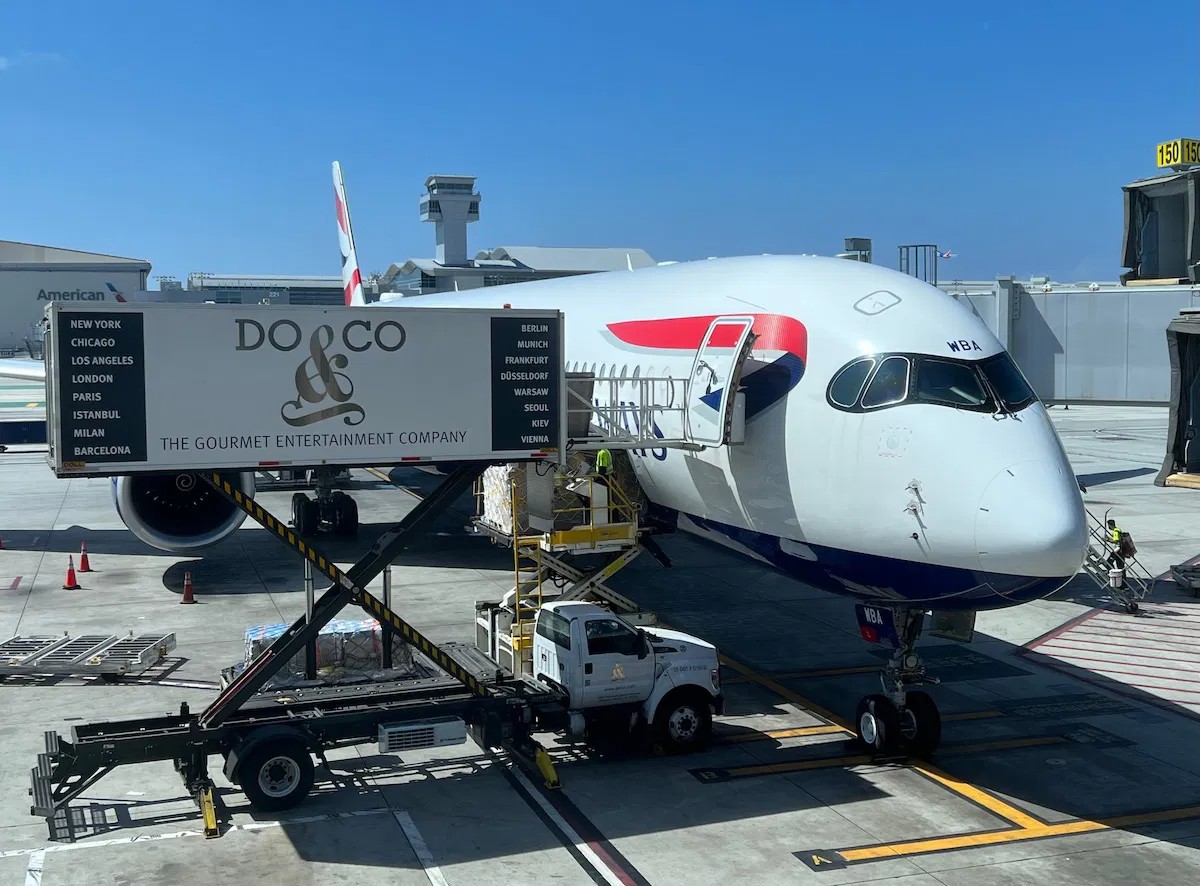

A British Airways flight from Hong Kong to London experienced a disturbing and unusual delay when a passenger in her 60s died shortly after takeoff. Instead of diverting the 14-hour journey, the crew reportedly stored the deceased woman’s body in the rear galley for the remainder of the flight, leading to complaints of a “foul smell” among passengers.
The Incident and Crew Response
Flight BA32, operated by an Airbus A350-1000, continued to London despite the death. Pilots initially suggested storing the body in a lavatory, but the crew opted to wrap the woman in blankets and place her in the galley. This decision is particularly unsettling because A350 galleys are equipped with heated floors, which may have accelerated decomposition and contributed to the unpleasant odor.
The 331 passengers onboard were delayed for 45 minutes upon arrival as police investigated the incident. Some crew members have been granted trauma leave, understandably shaken by the experience. This raises questions about how airlines prepare staff for such rare yet inevitable occurrences.
Airline Protocol and Industry Practices
British Airways maintains that “all procedures were correctly followed,” though the situation challenges conventional handling of onboard deaths. Airlines often lack dedicated facilities for such cases, with some older aircraft – like Singapore Airlines’ A340-500s – having included small “closets” for this purpose.
However, storing a body in a galley for over 13 hours is far from standard practice. The balance between operational efficiency, respect for the deceased, and passenger comfort appears to have been poorly struck in this case. The incident highlights a gap in industry protocol; while emergency landings are costly, prolonged storage of a body in a passenger aircraft raises serious ethical and practical concerns.
The Unsettling Details and Lingering Questions
The claim of accelerated decomposition due to the galley’s heated floor remains questionable. Whether the smell was genuinely caused by the body or perceived by passengers due to knowledge of the situation is unclear. Regardless, the incident underscores how quickly a long-haul flight can turn into an unforgettable experience for the wrong reasons.
This case is a stark reminder that even in the highly regulated world of aviation, human tragedy can disrupt carefully planned operations. It also raises broader questions about airline preparedness for in-flight deaths and the psychological toll on cabin crew.
The situation, while unsettling, is not unprecedented. Other incidents, like the Qatar Airways case where a deceased person was left in a seat next to passengers, demonstrate that airlines struggle with this issue. The British Airways incident, however, stands out due to the extended storage period and resulting complaints.