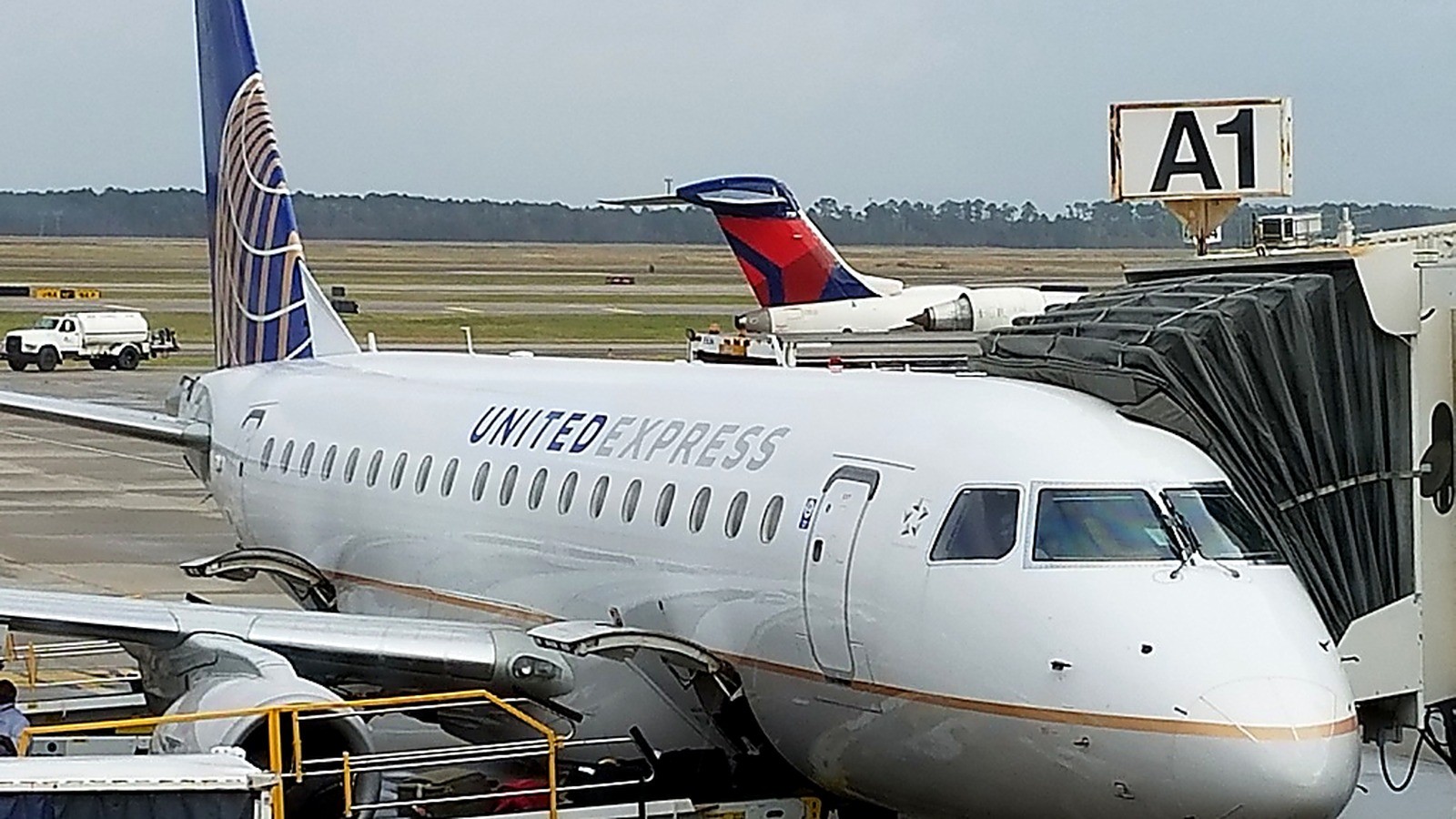
United Airlines flight attendants are nearing a new contract after five and a half years without a raise, but the deal may come at a significant cost: relinquishing a key job protection clause. The airline is pushing for a contract that allows it to own a regional airline outright, potentially undermining the union’s control over where and how its members work.
The Stakes: Higher Pay vs. Ownership Limits
For years, United’s flight attendants have held firm against the airline expanding into fully-owned regional carriers staffed outside the current union agreement. Now, the airline is offering unprecedented pay increases—including “sit pay” for time spent in airports and improved layover conditions—in exchange for removing these restrictions. This means United could acquire or establish a separate regional airline with its own, potentially cheaper, flight attendant workforce.
The core of the conflict is over “scope,” the union term for restricting airline ownership structures. Aviation analyst JonNYC points out the flight attendants may be willing to concede on this point, a move previously considered unthinkable. The current contract explicitly forbids United from operating commercial flights with a carrier it controls unless staffed by unionized flight attendants.
Why This Matters: A Shift in Industry Power Dynamics
The surprising part is that the flight attendant contract, not the pilot agreement, is the biggest hurdle to United owning a regional airline. Pilot contracts already include restrictions on fleet size and route limits for regional operations, but the flight attendant agreement has been an absolute barrier.
Removing this barrier would allow United to operate a fully-owned regional carrier with separate staffing, a move that could cut costs and expand its regional network. However, the airline is already heavily invested in regional partners like Republic and CommuteAir through minority stakes; this deal would go further.
The Pilot Contract as a Backup Limit
If the flight attendant restrictions are lifted, the pilot contract would then become the main constraint on United’s regional expansion. The pilot agreement already limits the number of smaller aircraft (76 seats or less) that United Express can operate.
The airline has other loopholes, such as owning commuter airlines (Part 135 operations) where they must still negotiate with the union, or taking minority stakes in regional carriers. But full ownership requires bypassing the current flight attendant contract.
A Pragmatic Move?
Some argue that flight attendants should accept this trade-off, aligning with the industry standard where pilots hold the stronger bargaining position. If the pilots are comfortable with ownership restrictions, it poses little risk to cabin crew.
In the end, how much sit pay and improved conditions is United willing to offer to secure the ownership freedom it wants? The negotiation is a strategic gamble for both sides, with the potential to reshape United’s regional airline strategy.
This deal would set a precedent, potentially weakening union control over airline ownership structures. It raises questions about whether higher wages are worth sacrificing long-term job security and influence.