In the heart of New Zealand’s North Island, the geothermal landscape of Rotorua offers much more than bubbling mud and steaming geysers. While the region is a premier destination for adrenaline seekers and nature lovers, it is underpinned by a profound cultural philosophy: manaakitanga .
This Māori principle—encompassing hospitality, generosity, and the duty of care—transforms a standard holiday into a reciprocal relationship between the visitor, the people, and the land. In Rotorua, tourism is not just about consumption; it is about guardianship.
The Sacred Heights of Mount Tarawera
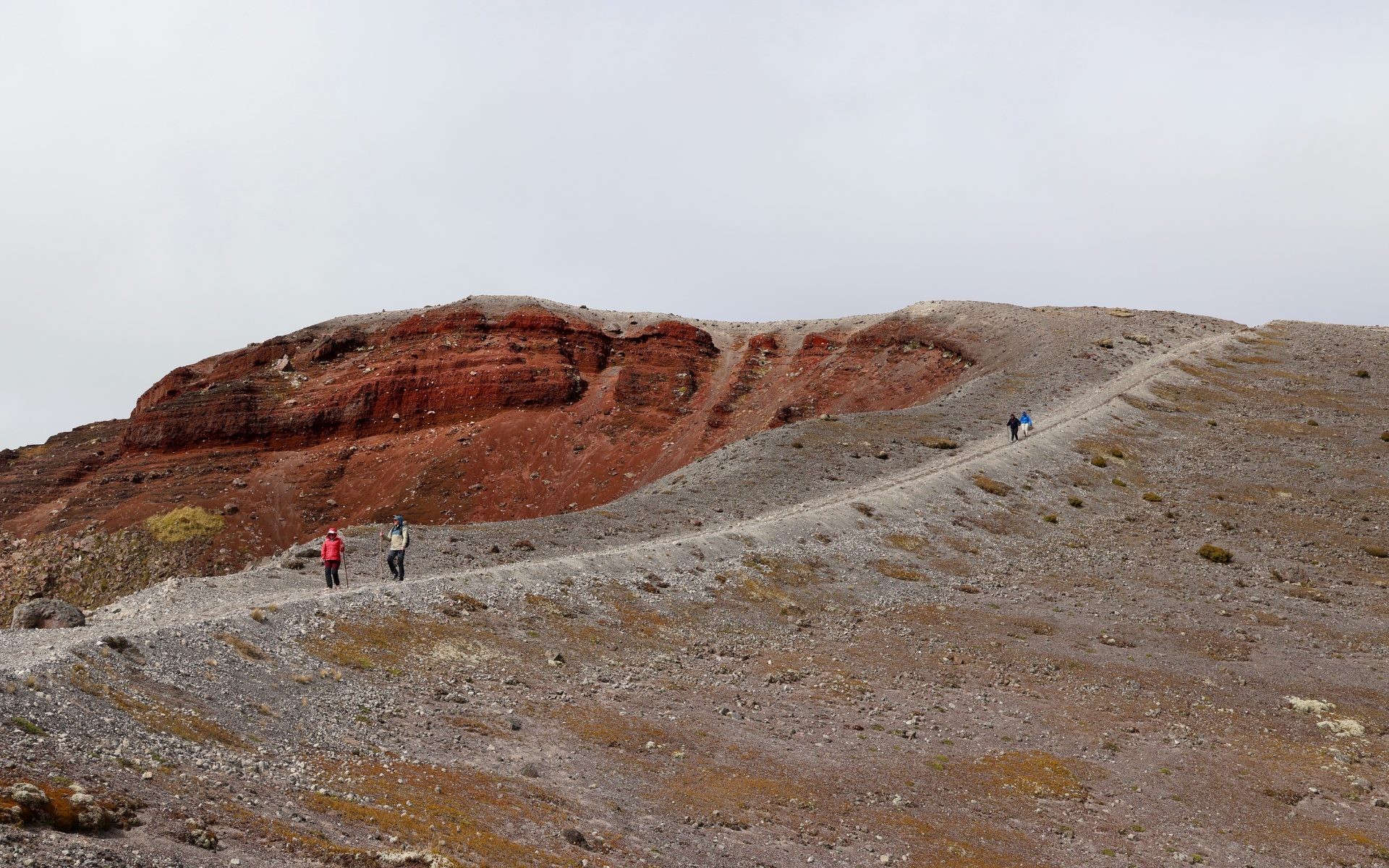
The journey begins at the crest of Mount Tarawera, a dormant volcano of immense spiritual significance. For Māori guides like Rangiora Inia of Kaitiaki Adventures, guiding is a sacred duty to ancestors who reside within the mountain’s basalt sands.
The history of the mountain is etched in its landscape. In the 1800s, the area was home to the “Pink and White Terraces,” world-renowned silica hot springs that were tragically buried during a volcanic eruption in 1886. Today, visiting the summit is an act of connection. As the only tour group with access to the mountain, Kaitiaki Adventures uses its profits to protect the landscape, embodying the idea that the mountains are living ancestors.
Geothermal Wonders and Living Traditions
Rotorua’s geothermal activity provides both healing and sustenance, deeply integrated into local life:
- Hell’s Gate (Tikitere): Named after a legend of a princess, these thermal pools have been used for over 800 years. While the sulfurous “gates of hell” aroma is unmistakable, the mineral-rich mud and hot waters are prized globally for treating skin and muscle ailments.
- Whakarewarewa Valley: This is a living Māori village where families have harnessed geothermal energy for generations to cook, wash, and heat their homes. At the Pātaka Kai restaurant, guests can experience a traditional hāngī —a method of slow-cooking food in underground pits using natural volcanic heat.
World-Class Trails and Forest Guardianship
For those seeking movement, the Whakarewarewa Forest has emerged as a global mountain biking hub. Hosting legs of the Crankworx series, the forest offers 180 kilometers of trails suitable for everyone from beginners to elite riders.
However, the forest is more than a playground; it is a delicate ecosystem. The trails weave through towering redwoods and silver ferns, providing a sanctuary for native species like the ruru (owl) and kārearea (falcon). The culture of the trails encourages a communal responsibility—signage often reminds riders to look out for one another, fostering a sense of community among strangers.
Conservation and the Fight Against Extinction
The spirit of manaakitanga extends to the smallest, most fragile inhabitants of the region:
- Glow-worm Caves: In man-made caves designed by entomologists, visitors can witness thousands of bioluminescent larvae. Because these creatures are highly sensitive to light and vibration, guides emphasize a quiet, respectful presence to protect their fragile life cycles.
- The National Kiwi Hatchery: Perhaps the most critical site for eco-guardianship is the hatchery, which works to combat the decline of the brown kiwi. With populations dropping by 1–2% annually due to predators, the hatchery uses high-tech incubation to raise chicks. Through programs like “Operation Nest Egg,” these birds are prepared for the wild, significantly increasing their survival rates from a mere 5% to 65%.
“Maori people do our best to make sure everyone—and every thing—is looked after. That’s the bigger picture: upholding the standard of our culture.” — Rangiora Inia
Conclusion
Rotorua offers a rare intersection of high-octane adventure and deep cultural responsibility. Whether you are biking through ancient forests or witnessing the rebirth of an endangered species, the experience is defined by a profound respect for the natural world and the people who protect it.