
Recent escalations in the Middle East – including direct strikes on Iran and retaliatory drone attacks targeting airports and infrastructure in neighboring countries – have thrown the stability of Gulf airlines into question. While the immediate operational disruptions have been managed, the long-term impact on traveler confidence and demand remains uncertain.
The Rise of Gulf Carriers and Regional Stability
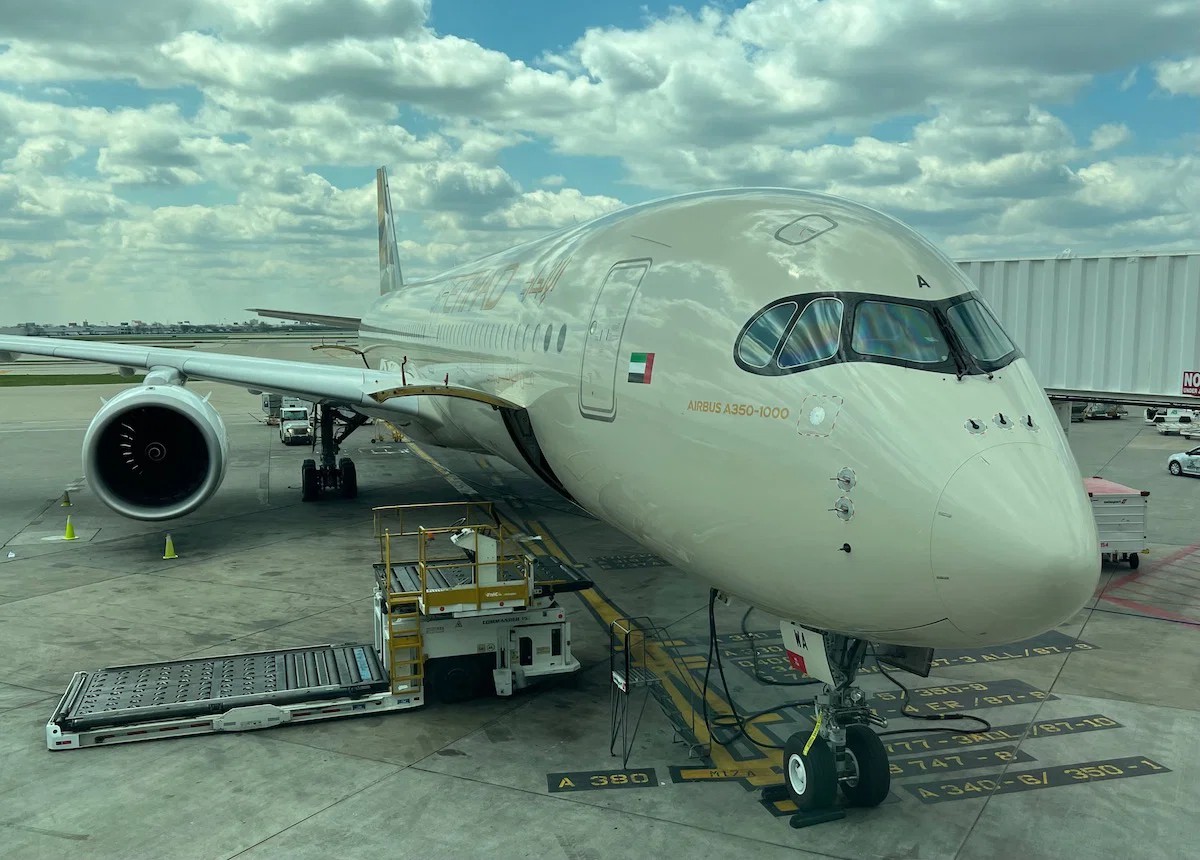
Over the past decade, airlines like Emirates, Etihad, and Qatar Airways have become dominant players in global air travel. Their success is predicated not only on competitive pricing and superior service, but also on the perception of safety and stability in the Gulf region. For many passengers, Dubai and other Gulf hubs offer a convenient and secure transit point between continents.
The UAE, in particular, has cultivated an image of being a safe haven in a volatile region. However, recent attacks – including damage to Dubai Airport and fires at hotels like the Burj Al Arab – have challenged this narrative. While fatalities have been limited, the visual impact is undeniable. The question is whether travelers will perceive this as a short-term crisis or a fundamental shift in risk.
Operational Disruptions and Consumer Behavior
In the immediate aftermath of the attacks, major Gulf carriers suspended flights, rerouted schedules, and faced extended holding patterns at airports. These disruptions, even if temporary, have raised concerns about reliability. Some passengers may now opt for longer, more expensive routes on European or Asian carriers to avoid connecting through the Middle East.
This isn’t simply about perceived safety; it’s about the predictability of travel. Airspace closures and operational instability could deter even risk-tolerant passengers.
Long-Term Outlook: A “Coronavirus-Level” Event?
The industry is now facing a critical question: how long will this disruption last? If Iran’s government does not change, the risk of further attacks remains high, potentially leading to sustained avoidance by some travelers.
The situation bears striking similarities to the early days of the COVID-19 pandemic, where uncertainty crippled demand. The difference is that this crisis is geopolitical rather than epidemiological. However, the psychological effect on travelers could be just as profound.
Gulf carriers have enjoyed rapid growth in recent years, and even a slight shift in demand could have significant long-term consequences. For now, the industry faces a period of uncertainty: whether it will be a short-term setback or a prolonged challenge remains to be seen.
The current situation presents a “coronavirus-level” threat to Gulf airlines, especially if there’s no clear end to the ongoing military operation.
The coming months will determine whether these carriers can restore confidence and maintain their position in the global aviation landscape.