In August 1945, the United States made a fateful decision that irrevocably altered the course of World War II and ushered in the nuclear age. The dropping of atomic bombs on Hiroshima and Nagasaki remains one of the most debated events in modern history, raising questions about necessity, morality, and the long-term consequences of wielding such destructive power.
The Genesis of a Superweapon
The origins of the atomic bomb trace back to 1939, when scientists, including Albert Einstein, alerted President Franklin D. Roosevelt to the possibility of Nazi Germany developing nuclear weapons. This prompted the creation of the Manhattan Project, a top-secret initiative to develop an atomic bomb before the Axis powers could. Spearheaded by figures like J. Robert Oppenheimer and General Leslie Groves, the project operated under the assumption that Germany was in a nuclear arms race.
By 1945, Germany had surrendered, but the United States now possessed a weapon of unprecedented destructive capability, while the war against Japan continued.
Japan’s Unwavering Resistance
Despite facing military defeat – a decimated navy, a weakened air force, and widespread aerial bombardment – Japan refused to surrender. The Japanese leadership, deeply ingrained with a warrior mindset, prioritized death in battle over capitulation. This cultural rigidity meant that every inch of territory would be fiercely defended, including by civilians and kamikaze pilots.
Battles like Okinawa, where over 100,000 lives were lost in just three months on a small island, underscored the brutal reality of a potential mainland invasion. U.S. military planners estimated that an invasion could result in millions of American casualties.
The Decision to Use Atomic Weapons
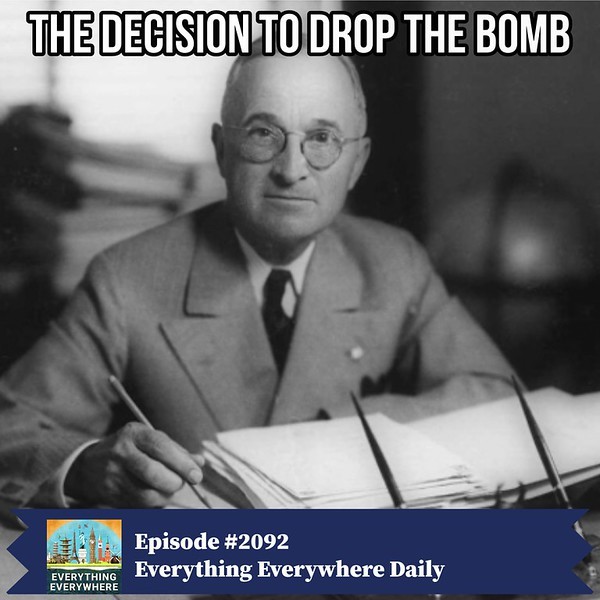
Facing the prospect of a protracted and bloody invasion, President Harry Truman, newly in office after Roosevelt’s death, authorized the use of atomic bombs. The decision was driven by a combination of factors: the desire to end the war quickly, to minimize Allied casualties, and to demonstrate U.S. power to the Soviet Union.
Some within the government and scientific community advocated for a demonstration of the bomb in an unpopulated area, hoping it would compel Japan to surrender without mass civilian casualties. However, military leaders argued that only direct use against cities would deliver the necessary shock.
The Bombings and Their Aftermath
On August 6, 1945, the United States dropped “Little Boy” on Hiroshima, instantly killing an estimated 70,000 people. Three days later, “Fat Man” was detonated over Nagasaki, resulting in another 73,000 deaths. The bombs obliterated vast swaths of both cities, leaving behind unimaginable suffering and long-term radiation effects.
Despite the devastation, Japan still did not immediately surrender. Only after the Soviet Union declared war on Japan and invaded Manchuria did the Japanese leadership finally accept unconditional surrender on August 14, 1945.
A Legacy of Debate
The use of atomic bombs remains one of the most controversial decisions in human history. Proponents argue that it saved millions of lives by preventing a costly invasion, while opponents condemn it as an immoral act of mass destruction. The debate continues today, underscoring the enduring ethical and strategic implications of nuclear warfare.
The bombings of Hiroshima and Nagasaki marked a turning point in history. They not only ended World War II but also ushered humanity into the nuclear age, forever altering the balance of power and the very nature of conflict.