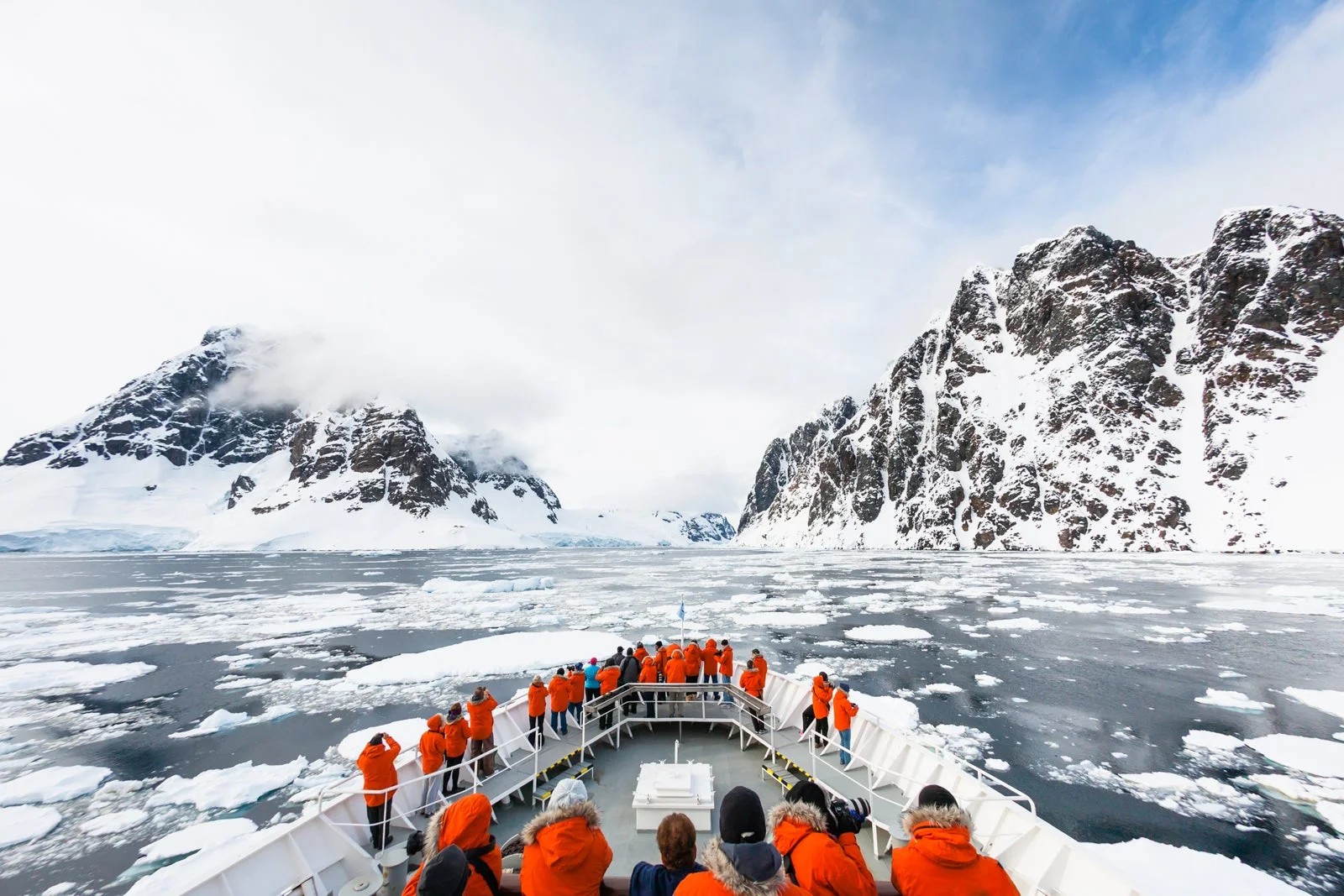
Planning a trip to Antarctica involves a crucial first decision: how will you get there? While most travelers reach the continent via traditional cruises departing from South America, a less common yet increasingly popular option exists – fly-cruise expeditions. Both methods offer unique advantages and drawbacks, making the “best” choice highly personal.
The Traditional Cruise: An Immersive, Historic Journey
The majority of Antarctic voyages begin with a challenging, yet iconic, two-day crossing of the Drake Passage – the turbulent body of water separating South America from Antarctica. Following this, travelers spend five or more days exploring the Antarctic coastline before returning across the Drake. This method isn’t just about reaching the destination; it’s about experiencing the journey.
The Drake Passage is notorious for its rough seas, with waves reaching 10-15 feet or higher. However, many travelers, including seasoned explorers, view this as an integral part of the Antarctic experience. It connects modern adventurers to the legacy of early Antarctic pioneers like Shackleton and Amundsen, who endured far worse conditions in their historic expeditions.
The extended sea voyage also provides time for acclimatization and preparation. Expedition ships often host lectures by specialists in Antarctic wildlife, geology, and history, enriching the experience upon arrival. The Drake Passage crossing serves as a natural transition from the modern world to the utter emptiness and wonder of Antarctica.
However, the Drake Passage isn’t always hostile. Occasionally, calm seas—dubbed the “Drake Lake”—provide an easier transit, though unpredictability remains inherent.
The Fly-Cruise Option: Speed and Comfort, with Caveats
For those seeking a faster, potentially smoother journey, fly-cruise expeditions offer a direct solution. These trips involve flying from Punta Arenas, Chile, to King George Island in the South Shetland Islands, bypassing the Drake Passage entirely. Passengers then board an expedition cruise vessel for a shorter, focused exploration of the Antarctic Peninsula.
This method is particularly attractive to travelers prone to seasickness or those with limited time. Fly-cruise trips typically last eight nights, including hotel stays in Punta Arenas, compared to the ten or more nights required for traditional sail-across-the-Drake voyages.
However, this convenience comes with risks. Weather conditions on King George Island can cause flight delays, as landings require clear visibility of the gravel runway. Tour operators like Silversea mitigate this by building weather windows into their itineraries and even reserving additional hotel nights in Punta Arenas to accommodate potential disruptions.
Despite the precautions, delays can occur. In some cases, flights have been postponed by hours, even taking off late at night to catch a break in the weather.
Cost and Considerations
Fly-cruise expeditions generally cost more per day than traditional cruises. Silversea, for example, charges around $2,500 per night for its six-night fly-cruise itineraries, compared to roughly $1,476 per night for its ten-night Drake Passage crossings. The higher price reflects the charter flights and logistical complexities of operating in Antarctica.
Another potential drawback of fly-cruise trips is the need to cross the Bransfield Strait, a choppy waterway between King George Island and the Antarctic Peninsula. While shorter than the Drake Passage, rough seas can still occur, leaving some passengers queasy.
The Verdict
Ultimately, the best way to reach Antarctica depends on individual priorities. Those seeking an immersive, historically-rooted experience with a tolerance for rough seas will likely prefer the traditional cruise. Travelers prioritizing speed, comfort, and avoiding seasickness may opt for the fly-cruise option, provided they’re prepared for potential delays and a higher price tag.
There is no universally superior method. Both approaches offer unique benefits and drawbacks, ensuring that every Antarctic journey remains a deeply personal and unforgettable adventure.