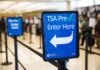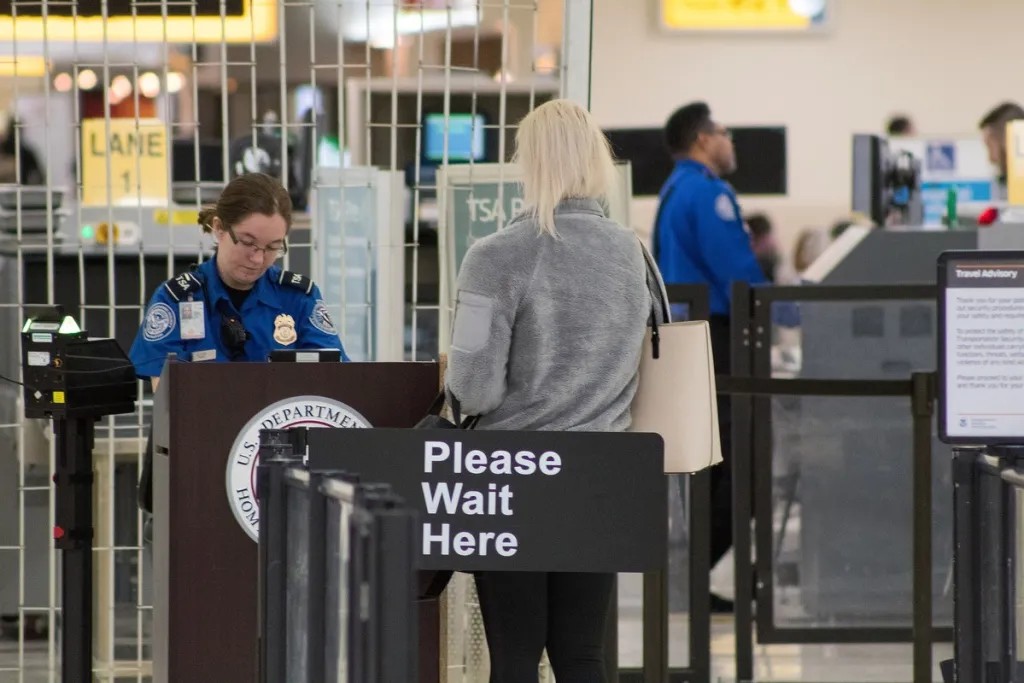
The U.S. travel system is facing significant strain, with passengers experiencing three-hour wait times at airports due to a combination of factors including a partial government shutdown, record spring break demand, and staffing shortages. The situation isn’t just confined to the U.S., as connected international travel also feels the ripple effects. This isn’t simply a rough week for travelers – it’s a warning sign of deeper systemic vulnerabilities.
The Perfect Storm of Disruptions
Several pressures converged to create the current crisis. The partial government shutdown specifically impacted Transportation Security Administration (TSA) staffing, with agents either quitting or calling out sick due to delayed paychecks. This coincided with an unprecedented surge in spring break travel, pushing already stretched resources to their limit. Operational incidents, such as the temporary shutdown of Newark and LaGuardia airports due to a plane collision, further exacerbated the problem.
The partial nature of the shutdown is a key factor. Unlike full shutdowns, which cause widespread disruption, this one specifically targeted TSA workers, leaving other critical departments functioning. However, the result is still the same: reduced staff, longer lines, and increased chaos. The situation is further complicated by political uncertainty, with Republicans and Democrats unable to agree on funding for agencies like Immigration and Customs Enforcement (ICE).
Business Impact: Winners and Losers
The disruption isn’t affecting all airlines equally. United Airlines CEO Scott Kirby has publicly stated that his company is well-positioned to weather the chaos, boasting high cash reserves and profit margins. Kirby even suggested that United could benefit from the struggles of competitors. Other airlines may not be as fortunate, especially if conditions worsen.
The broader aviation ecosystem is also at risk. Ancillary businesses that rely on air travel, such as hotels, rental car companies, and tourism operators, could suffer if passenger confidence declines. The TSA workforce is already demoralized, with 450 workers quitting in the last month alone. Even if a deal is reached to pay back wages, some positions may remain unfilled.
Is the System Broken?
The question remains whether this is a temporary crisis or a sign of more fundamental problems. While the system will eventually recover, it’s likely that the current disruptions will become a recurring issue. Political polarization, combined with underpaid and overworked TSA staff, creates a volatile situation where shutdowns can cripple air travel at a moment’s notice.
The long-term outlook is uncertain, but one thing is clear: the U.S. travel system is under increasing pressure. Whether this leads to lasting changes or simply becomes another accepted inconvenience remains to be seen.